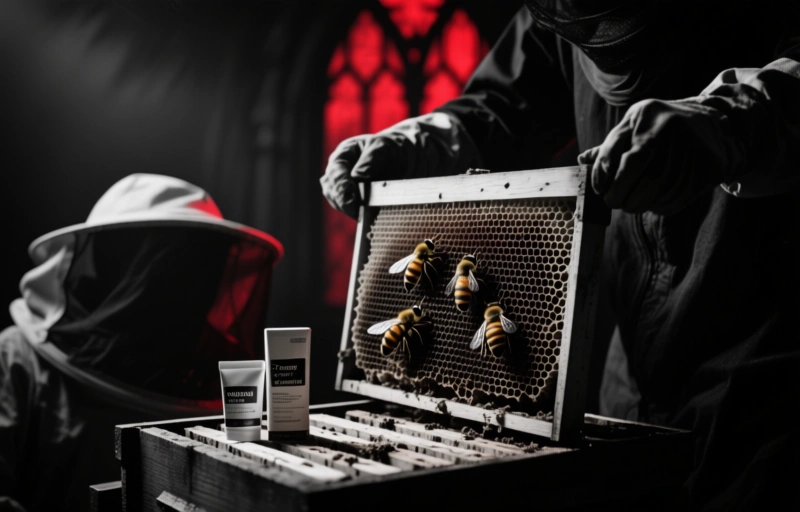
Discover the most effective pest control products and strategies for protecting your beehives this spring. From varroa mite treatments to IPM plans, learn how to choose the right tools for healthy, thriving colonies.
Spring's arrival means one thing for beekeepers in Philadelphia and across the U.S.—it's time to get serious about pest control. The warmer weather wakes up your bees, but it also wakes up the mites, beetles, and wax moths that threaten them. It's a critical season. You're not just managing a hive; you're protecting a delicate, buzzing ecosystem. And that means choosing the right tools for the job.
Let's talk about what really works. Because an overwhelmed hive in the spring can struggle all year. It's about being proactive, not reactive.
### Essential Tools for Varroa Mite Control
Varroa destructor mites are public enemy number one for beekeepers. They're tiny vampires, weakening bees and spreading viruses. You can't ignore them. Luckily, you have options. Formic acid treatments, like Mite-Away Quick Strips, are a go-to for many. They're effective and can be used when there's a honey supers on, which is a huge plus. Just follow the temperature guidelines closely—they work best between 50°F and 85°F.
Another popular choice is oxalic acid vaporization. It's a powerful knockdown treatment, especially effective in a broodless period. You'll need a vaporizer, but many beekeepers swear by its efficiency. Remember, safety first with any chemical treatment. Always wear your gloves and a respirator.
Don't forget the simple, mechanical solutions either. A screened bottom board is a must-have. It lets mites fall through and out of the hive, interrupting their life cycle. It's one of those low-tech, high-impact tools that just makes sense.

### Managing Small Hive Beetles and Wax Moths
While varroa gets the headlines, other pests can cause havoc. Small hive beetles love weak colonies. Their larvae can slime out comb and honey in no time. Keeping a strong, populous hive is your first defense. For traps, consider beetle blaster traps filled with apple cider vinegar and oil. Place them in the corners of the brood box.
Wax moths are more of a storage issue, but they can infest weak hives. Freezing drawn comb for at least 24 hours before storage is a foolproof, chemical-free method. For in-hive control, strong colonies will keep them in check themselves.
### Building Your Integrated Pest Management Plan
Here's the thing—no single product is a magic bullet. The pros use Integrated Pest Management (IPM). It's a holistic strategy. Think of it like building a layered defense for your bees.
- **Monitor Regularly:** Use a sticky board or an alcohol wash to check your mite levels every month. Don't guess.
- **Use Mechanical Controls First:** Screened bottom boards, drone brood trapping, and good hive placement go a long way.
- **Rotate Treatments:** Mites can build resistance. Don't use the same chemical treatment season after season. Rotate between formic acid, oxalic acid, and maybe a thymol-based product like Apiguard.
- **Support Hive Health:** A stressed bee is a vulnerable bee. Ensure they have ample food stores, especially coming out of winter, and plenty of clean water nearby.
As one seasoned apiarist put it, "Pest control isn't about winning a battle; it's about maintaining a balance where your bees can thrive."
Timing is everything with spring treatments. Apply your first varroa treatment after your spring inspection, but before the major nectar flow begins. You want to reduce the mite load before the colony starts its big population boom. Treating too late means you're playing catch-up with a larger bee population and more brood for mites to hide in.
Choosing products comes down to efficacy, safety for your bees, and ease of use. Read those labels. Compare active ingredients. And always, always follow the application instructions to the letter. Your bees are counting on you to make informed choices. It's that careful comparison—weighing pros and cons, reading reviews, talking to other beekeepers—that leads to resilient, healthy hives season after season.
Related: afkickklinieken vergelijken.