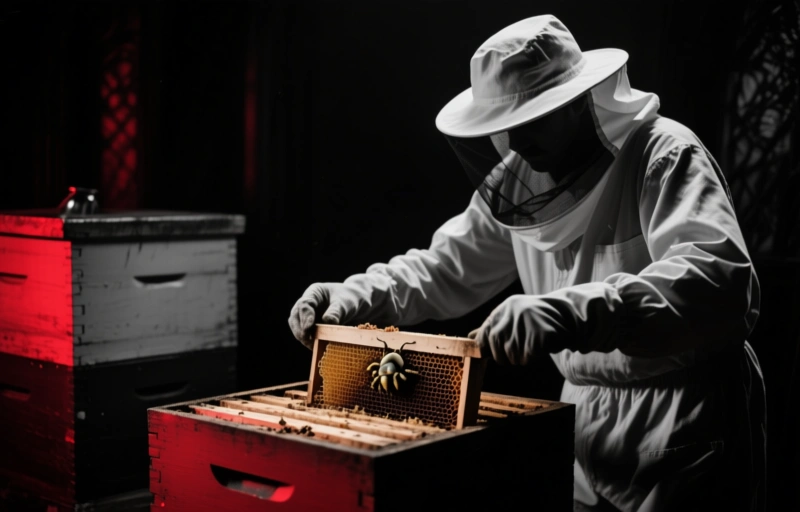
Protect your apiary with our expert guide to the best beekeeping pest control products. Learn how to combat Varroa mites, hive beetles, and more with safe, effective strategies for healthy colonies.
Hey there, fellow beekeeper. Let's talk about something that keeps us all up at night: hive pests. You pour your heart into your colonies, and seeing them threatened by mites or beetles? It's tough. Really tough.
But here's the thing. Protecting your bees doesn't have to be a guessing game. With the right products and a proactive plan, you can give your hives the best shot at thriving. It's all about informed choices, not just quick fixes.
### Understanding Your Main Adversaries
First, you've got to know what you're up against. The usual suspects are pretty clear. Varroa mites are public enemy number one for most of us. Then you've got small hive beetles, wax moths, and even ants looking for a sweet meal.
Each pest requires a different strategy. What works for mites won't faze a beetle. That's why a one-size-fits-all approach just doesn't cut it in the apiary. You need a toolkit.

### Evaluating Your Pest Control Toolkit
So, how do you choose? You start by asking the right questions. Is it effective against the specific pest? Is it safe for the bees themselves? What's the environmental impact? And, let's be real, is it practical for you to use?
It's a balancing act. You're weighing immediate results against long-term hive health. I always tell beekeepers to think like a doctor treating a patient. You want the most effective treatment with the fewest side effects.
- **Formic Acid Strips:** A go-to for many against Varroa. They work well in cooler temperatures, below 85°F. You need good ventilation.
- **Oxalic Acid Vaporization:** Highly effective on mites, especially in a broodless period. Requires specific equipment.
- **Screened Bottom Boards:** A mechanical control. Helps manage mite levels by letting them fall through, away from the bees.
- **Diatomaceous Earth:** For ground pests like ants. Sprinkle it around your hive stands. It's a physical barrier.
- **Essential Oil Blends:** Some, like thymol-based products, can help suppress mites. Consistency is key here.
Remember, always, *always* follow the label instructions to the letter. More is not better. It's dangerous.
### The Proactive Beekeeper's Mindset
Here's a thought that changed my approach. The best pest control starts long before you see an infestation. It's about creating an environment where pests struggle to gain a foothold.
Strong, healthy bees are more resilient. That means good nutrition, a clean apiary, and regular hive inspections. Catching a problem early is half the battle won. I check my monitoring boards every single inspection.
It's like that old saying: "An ounce of prevention is worth a pound of cure." That couldn't be truer in beekeeping. A proactive check today can save you a heartbreaking loss next season.
### Making the Final Choice for Your Apiary
In the end, your choice depends on your specific situation. How many hives do you have? What's your local climate like? What's your comfort level with different treatment methods?
Don't be afraid to start small. Test a product on one or two hives first. See how your bees react. Keep a notebook. Track what works and what doesn't. Your own records are your most valuable tool.
Protecting your bees is a journey, not a destination. It requires observation, adaptation, and a whole lot of care. But when you see those frames heavy with brood and your bees flying strong, you'll know every bit of careful planning was worth it. Your hive's health is in your hands—make it count.
Related: afkickklinieken vergelijken.