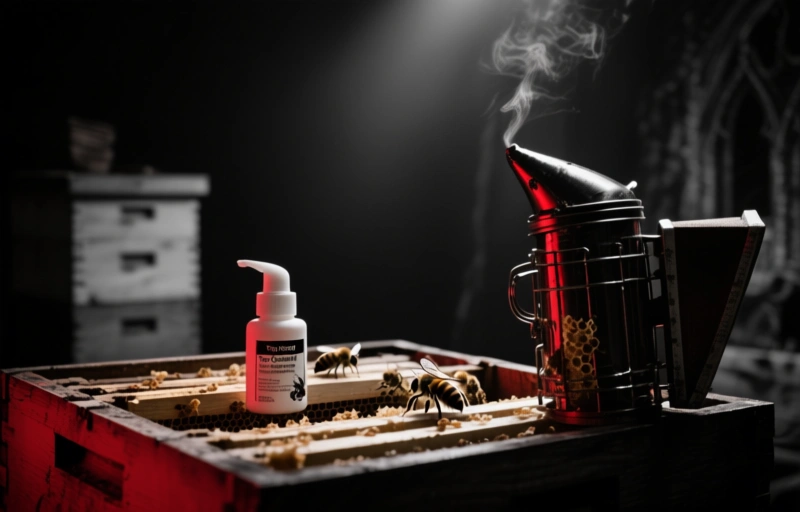
Discover effective beekeeping pest control strategies and product comparisons to protect your hives from Varroa mites, wax moths, and beetles while maintaining bee health and honey quality.
Hey there, fellow beekeeper. Let's talk about something that keeps us all up at night—keeping those pests away from our precious hives. It's not just about protecting honey production; it's about ensuring the long-term survival of our colonies. You know the feeling when you spot those first signs of trouble. Your heart sinks a little. But with the right tools and knowledge, you can manage these challenges effectively.
### Understanding Your Main Adversaries
First, let's identify what we're up against. The Varroa destructor mite is public enemy number one. These tiny parasites latch onto bees, weakening them and spreading viruses. Then you've got wax moths—they'll turn your beautiful comb into a webbed mess overnight. And don't forget small hive beetles, especially if you're in warmer climates where they thrive above 50°F. Each pest requires a different approach. That's why a one-size-fits-all solution just doesn't work in beekeeping.

### The Integrated Pest Management Approach
Here's where things get interesting. The smartest beekeepers I know don't rely on just one method. They use Integrated Pest Management—a fancy term for using multiple strategies together. Think of it like building a fortress. You wouldn't just have a front gate, right? You'd have walls, guards, maybe a moat. IPM is your beekeeping moat. It combines cultural practices (like keeping strong colonies), mechanical controls (screened bottom boards), and yes, chemical treatments when necessary. The goal is to minimize chemical use while maximizing protection.
### Breaking Down Your Treatment Options
Let's get practical. When it comes to actual products, you've got several categories:
- **Formic acid strips**: These work well when temperatures are between 50-85°F. They're great for knocking back mites but require careful timing.
- **Thymol-based gels**: Think of these as the slow-and-steady option. They release thymol vapor over weeks and work best when it's warmer, above 60°F.
- **Oxalic acid dribbles or vaporization**: This is your precision strike. Most effective when colonies are broodless, usually in late fall or winter.
- **Essential oil treatments**: Some beekeepers swear by wintergreen or spearmint oil mixtures. They're gentler but may need more frequent application.
What's fascinating is how differently these products perform. I've seen hives respond beautifully to one treatment while barely noticing another. It reminds me of how people respond differently to medications—what works for your neighbor's hive might not work for yours.
### Making Smart Product Comparisons
Here's my advice: become a comparison shopper. Don't just grab the first product you see at the supply store. Look at the active ingredients. Check the application method—some require opening the hive multiple times, others just once. Consider the temperature requirements. Most importantly, think about your honey supers. Some treatments can't be used when supers are on if you want to harvest honey for human consumption.
"The best treatment is the one you'll use correctly at the right time," as an old-timer once told me while we were inspecting hives. He had a point. The fanciest, most expensive product won't help if you apply it when temperatures are wrong or your hive isn't in the right condition.
### Balancing Efficacy and Bee Health
This is where it gets tricky. You want to eliminate pests, but you don't want to harm your bees or contaminate your honey. That's why many commercial beekeepers rotate treatments—using different active ingredients each season to prevent resistance. It's a dance, really. You're trying to stay one step ahead of the pests without tripping over your own feet.
Remember to check with your local agricultural extension office. They often have region-specific data about what's working in your area. Pest pressures can vary dramatically even within the same state. What works for a beekeeper 100 miles south might be less effective in your microclimate.
### Building Your Pest Control Toolkit
Start with monitoring. Use sticky boards or alcohol washes to check your mite levels monthly during active seasons. Only treat when necessary—don't just treat on a schedule. Keep records of what you used, when, and how the hive responded. This historical data becomes invaluable over seasons.
Consider combining methods. Maybe you use screened bottom boards year-round, apply a spring treatment when temperatures allow, and do an oxalic acid vaporization in late fall. This layered approach often yields better results than any single product alone.
At the end of the day, pest control is about stewardship. It's about making informed choices that protect both your immediate hives and the broader bee population. The beekeepers who last—like those celebrating a century of work—understand this balance. They know that today's treatment decisions affect tomorrow's colonies. So take your time, do your research, and choose wisely. Your bees will thank you with healthy, productive seasons to come.
Related: Vergelijken klinieken.