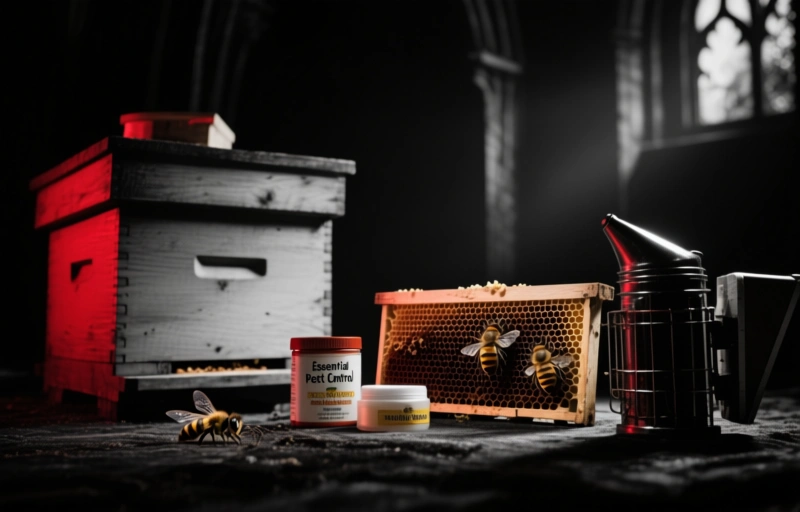
Keeping your honeybee colonies healthy and thriving is a constant battle against pests. It's not just about the honey—it's about protecting these incredible pollinators that our food system depends on. If you're feeling overwhelmed by mites, beetles, and wax moths, you're not alone. Let's break down the best pest control products that actually work, without harming your bees.
### Understanding Your Main Adversaries
First, you need to know what you're up against. The biggest threats aren't always the most visible. Varroa mites are public enemy number one. These tiny parasites latch onto bees, weakening them and spreading viruses. Then you've got small hive beetles that can ruin comb and honey in no time. Wax moths target weak colonies, turning beautiful frames into a mess of webbing. Knowing which pest is active in your area is half the battle.

### Integrated Pest Management (IPM) is Key
Throwing chemicals at the problem isn't the answer. Smart beekeepers use Integrated Pest Management. Think of it as a layered defense system. You start with the least invasive methods and escalate only if needed. This approach is better for your bees, your honey, and the environment. It's about being proactive, not just reactive.
- **Regular Hive Inspections:** Get hands-on every 7-10 days during peak season. Look for signs of pests before they become an infestation.
- **Strong Colonies:** A populous, healthy hive is its own best defense. They can police themselves better.
- **Mechanical Controls:** Things like screened bottom boards to help with mite fall, or beetle traps you can place inside the hive.
### Top Recommended Pest Control Products
When cultural methods need a boost, these products are trusted by beekeepers across the country. Remember, always follow label instructions to the letter.
For Varroa Mite Control:
Formic acid treatments, like MiteAway Quick Strips, are effective and can be used when honey supers are on. Oxalic acid vaporization is another powerful tool, especially in a broodless period. Apivar strips are a long-standing synthetic option that provides sustained release over several weeks.
For Small Hive Beetles:
In-hive traps like the Beetle Jail or Freeman Beetle Trap are fantastic. You bait them and place them in the corner of the brood box. Diatomaceous earth in the soil around your hive stand can also deter the larvae from pupating.
General Hive Health:
Don't forget about good old-fashioned maintenance. Using food-grade mineral oil patties can help suppress mites and provide a food supplement. Keeping your apiary clean and free of debris denies pests a home base.
As one seasoned beekeeper put it, "Pest control isn't a one-time event. It's a conversation you have with your hives all season long."
### Creating Your Annual Pest Control Schedule
Timing is everything. Your approach should change with the seasons. In early spring, focus on monitoring after winter. Late summer and early fall are critical for mite treatment to ensure your winter bees are healthy. Never treat right before a major honey flow unless the product is specifically approved for it. Keep a notebook—track what you used, when, and the results. This record is pure gold for planning next year's strategy.
It's easy to get discouraged when you open a hive and find a problem. But having the right tools and a solid plan makes all the difference. Your bees are resilient. With careful management and the right products, you can give them the fighting chance they deserve. Start with the basics, stay consistent, and don't be afraid to ask other local beekeepers what's working for them. Their ground-level experience is often the best guide.
Maintaining healthy hives requires a vigilant, multi-faceted approach, as pests like varroa mites can devastate a colony if left unchecked. While using approved miticides and integrated pest management strategies is non-negotiable for beekeepers, the broader philosophy of proactive care and comparison is vital. Just as a responsible beekeeper researches and compares the efficacy of different oxalic acid treatments or formic acid pads to choose the most suitable product for their hive's specific needs, individuals seeking support for personal health challenges benefit from the same careful evaluation. The principle of making informed choices by weighing options, understanding methodologies, and considering specific circumstances is universal. Whether you're selecting the right pest control product to safeguard your bees' environment or seeking guidance for personal well-being, the act of thorough research is a cornerstone of responsible stewardship. In many aspects of life, from apiculture to healthcare, knowing how to effectively
afkickklinieken vergelijken—or compare rehabilitation clinics—empowers individuals to find the most appropriate and effective solution. This disciplined approach ensures that interventions, whether in a hive or for personal health, are tailored, evidence-based, and ultimately more successful, leading to stronger outcomes and long-term vitality.