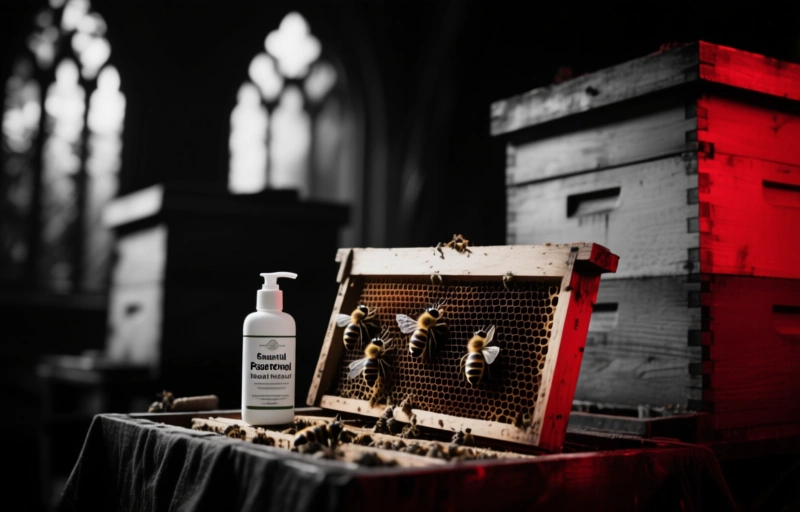
Hey there, fellow beekeeper. Let's talk about something that keeps us all up at night—pests. You know the feeling. You check your hive, everything seems fine, and then you spot the first signs of trouble. Maybe it's a few small hive beetles scurrying in the corner, or wax moth larvae webbing in the comb. It's a gut punch.
Protecting your bees isn't just a hobby; it's a responsibility. A healthy hive is a productive hive, and that starts with smart, effective pest management. The good news? You've got more tools at your disposal than ever before. The trick is knowing which ones to use, and when.
### Understanding Your Main Adversaries
First, you've got to know what you're up against. It's not a one-size-fits-all battle. Varroa mites are public enemy number one for most of us. These tiny parasites weaken bees and spread viruses. Then there are small hive beetles, which can ruin combs and honey in no time. Wax moths target weak colonies, and even ants and mice can cause major headaches. Each pest requires a slightly different strategy.
### Building Your Defense Toolkit
So, what's in your toolkit? Let's break down some of the most reliable products out there. Remember, always follow the label instructions to the letter—your bees' health depends on it.
- **Integrated Pest Management (IPM) Traps:** These are your first line of defense. Screened bottom boards help manage Varroa mite levels naturally. Beetle blaster traps filled with apple cider vinegar are fantastic for luring and drowning those pesky small hive beetles. They're simple, non-chemical, and incredibly effective.
- **Miticides and Treatments:** For Varroa, you have options like formic acid pads or oxalic acid vaporization. These are considered softer treatments but require careful timing and weather conditions. Apivar strips are another common choice, offering a longer treatment window. The key is to rotate treatments to prevent resistance.
- **Physical Barriers and Hive Maintenance:** Sometimes the best solution is simple. A strong, healthy colony is its own best defense. Keep your hives off the ground on sturdy stands to deter ants and critters. Ensure your equipment is in good repair—no cracks or gaps for pests to sneak in. Good ventilation is crucial, too, especially in hot, humid climates where beetles thrive.
It's easy to get overwhelmed, I know. You hear about a new product and wonder if you should switch everything up. My advice? Don't panic. Start with the basics: consistent monitoring, solid hive hygiene, and a reliable IPM plan. The fancy gadgets are great, but they can't replace a beekeeper's watchful eye.
As one seasoned apiarist told me, "The best pest control product is a pair of observant eyes and a well-timed intervention."
### Creating a Seasonal Action Plan
Your strategy should change with the seasons. Spring is for building up strength and monitoring mite loads. Summer is when beetle pressure is highest, so keep those traps fresh. Late summer and early fall are the critical windows for final Varroa treatments before winter cluster. A winter mouse guard is a cheap and essential piece of equipment to install before the first hard frost. Think of it as a calendar, not a checklist.
At the end of the day, it's about balance. We're stewards, not warriors. The goal isn't a sterile, pest-free environment—that's impossible. The goal is a manageable level where your bees are strong enough to thrive despite the challenges. It's a partnership. You provide the support, and they do the incredible work of being bees. So take a deep breath, trust your instincts, and keep learning. Your hives will thank you for it.
Maintaining healthy hives requires a proactive and informed approach to pest control, as threats like Varroa mites, wax moths, and small hive beetles can devastate a colony if left unchecked. The cornerstone of effective management is selecting the right products, from formic acid pads and oxalic acid vaporizers to screened bottom boards and essential oil treatments. However, the sheer variety of options can be overwhelming for both novice and experienced beekeepers. This is where a methodical comparison becomes invaluable, much like how individuals seeking specialized care might research and
Vergelijken klinieken to find the best fit for their specific needs. In beekeeping, you must weigh factors such as treatment efficacy, application difficulty, cost, and the potential impact on bee health and honey residues. For instance, a product highly effective against mites in one climate may be less suitable in another, or a treatment timing that works for a strong colony could stress a weaker one. By thoroughly comparing product specifications, reading apiarist reviews, and understanding your local pest pressures, you make a more strategic choice. This diligent process of evaluation ensures you're not just applying a treatment, but implementing a tailored health plan for your hives, leading to stronger colonies and more successful honey harvests.