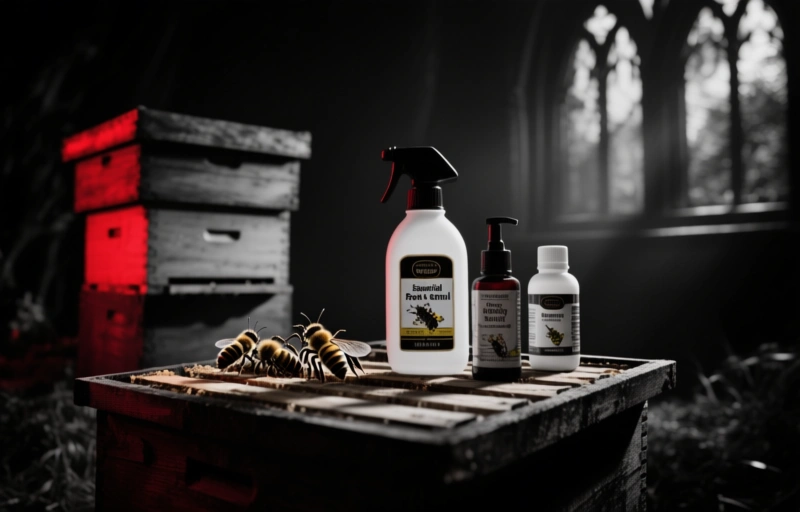
Hey there, fellow beekeepers. Let's talk about something that keeps us all up at night—pests. You know the feeling. You check your hive, everything seems fine, and then you spot the first signs of trouble. Maybe it's a few small hive beetles scurrying in the corner, or wax moth larvae webbing in the comb. It happens to the best of us.
But here's the good news. With the right tools and a solid strategy, you can protect your bees and keep your colonies thriving. It's not about declaring war on every bug in the yard. It's about smart, integrated management. Think of it like a security system for your apiary.
### Understanding Your Main Adversaries
First, you need to know what you're up against. The usual suspects are pretty consistent across the country. Varroa mites are public enemy number one—tiny vampires that weaken bees and spread viruses. Then you've got small hive beetles, which can turn a beautiful comb into a slimy mess in no time. Wax moths love old, weak comb. And let's not forget about ants, mice, and even bears depending on where you are.
Each pest requires a different approach. A one-size-fits-all solution doesn't exist in beekeeping. That's why having a toolkit of products is so important.

### Building Your Pest Control Toolkit
So, what should you have on hand? Let's break it down into categories.
- **For Varroa Mites:** This is your top priority. Many beekeepers use formic acid or oxalic acid treatments. These are applied in specific ways—like pads or vaporization—and timing is everything. You'll also find thymol-based products, which are essential oils that mites can't stand. Always, and I mean always, follow the label instructions to the letter. Your bees' health depends on it.
- **For Small Hive Beetles:** Traps are your best friend here. You can get in-hive traps that sit between frames. They lure the beetles in with a bait, and they can't get out. Some beekeepers use diatomaceous earth in the bottom of screened bottom boards as a physical barrier. Keeping a strong, populous colony is actually one of the best deterrents—bees are great at policing their own home.
- **For Wax Moths:** Prevention is key. Strong colonies and clean equipment are your first line of defense. If you're storing drawn comb, paradichlorobenzene (PDB) crystals are a traditional method, but you must air out the frames thoroughly before putting them back on a hive. Freezing frames for at least 24 hours is a great non-chemical option.
- **For Larger Pests:** A good, sturdy hive stand can discourage ants. For mice, use entrance reducers in the fall. And for bears? Well, if you're in bear country, an electric fence isn't a product suggestion—it's a necessity.

### A Quote to Remember
> "Successful pest control isn't about eradication; it's about maintaining a balance that allows your bees to prosper."
That's the mindset shift. You're not trying to create a sterile environment. You're managing pressure so your bees can do what they do best.
### Putting It All Into Practice
It can feel overwhelming, I know. Start with monitoring. Use a sticky board under a screened bottom to check your mite levels. Do regular hive inspections and look for the tell-tale signs. Then, intervene only when necessary with the most targeted product you have.
Rotate your treatments if you can. Mites and beetles can develop resistance if you use the same method season after season. And please, talk to local beekeepers in your area. They'll know what pressures are highest in your specific region and what's working for them.
At the end of the day, this is about stewardship. You're caring for a complex, living system. The right products are just tools that help you in that mission. They give your bees the fighting chance they deserve against the challenges of the modern world. So stock your shed, make your plan, and here's to healthy, productive hives.
Maintaining healthy hives requires a proactive approach to pest control, and selecting the right products is a critical decision for any beekeeper. Just as one wouldn't use a single, generic treatment for every garden pest, effective apiculture involves understanding the specific threat—whether it's the devastating Varroa destructor mite, the persistent small hive beetle, or wax moths—and choosing a targeted solution. The market offers a wide array of options, from organic treatments like formic and oxalic acids to essential oil-based deterrents and mechanical traps. The key is to thoroughly research each product's efficacy, application method, and potential impact on your bees and honey. This process of careful evaluation is not unlike the diligence required in other fields where well-being is paramount; for instance, individuals seeking specialized care often benefit from a methodical assessment of options, much like the valuable process of **
Vergelijken klinieken** to find the most suitable support. In beekeeping, comparing integrated pest management (IPM) strategies, understanding local resistance patterns, and even consulting with fellow beekeepers in your association can lead you to the most effective and sustainable products for your apiary. Remember, a successful treatment plan often combines different products used at strategic times in the colony's cycle, ensuring you protect your bees' health while safeguarding the quality of your hive's precious yields.