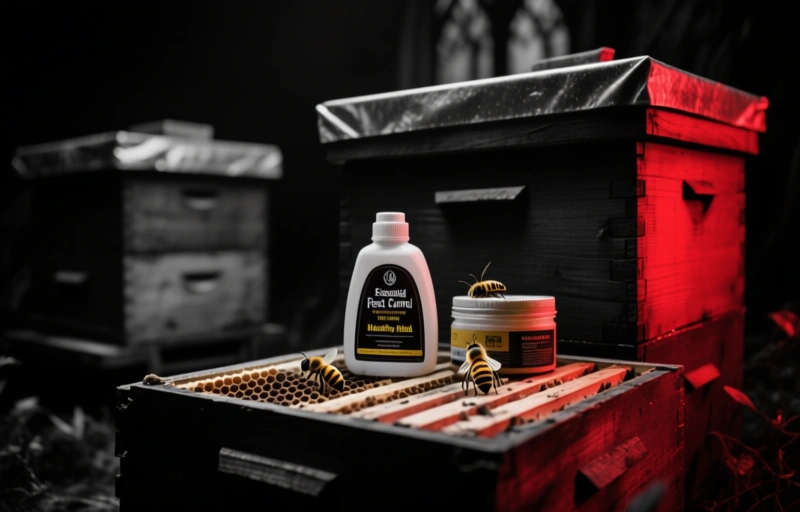
Protect your hive with effective pest control strategies. Learn about essential products for managing varroa mites, hive beetles, and other threats using an integrated, bee-friendly approach.
Hey there, fellow beekeeper. Let's talk about something that keeps us all up at night: pests. You know the feeling. You check your hive and see something's off. Maybe it's the telltale signs of varroa mites, or perhaps small hive beetles are making themselves at home. It's frustrating, isn't it? Protecting our bees isn't just about honey production—it's about stewardship. We're responsible for these incredible pollinators, and choosing the right pest control products is one of the most critical decisions we make each season.
### Understanding Your Main Adversaries
First things first, you've got to know what you're fighting. In most regions, including across the United States, a few key pests cause the majority of problems. Varroa destructor mites are public enemy number one. They're tiny vampires, literally sucking the life from both adult bees and developing brood. Then you've got the small hive beetle, a sneaky invader that can ruin honey and comb in no time. Wax moths can devastate stored equipment, and even ants and mice can become serious nuisances. Knowing which pest is present is step one. A proper diagnosis saves time, money, and stress for both you and your bees.

### The Integrated Pest Management Approach
Here's the thing: there's no single magic bullet. The smartest strategy is Integrated Pest Management, or IPM. Think of it as a toolbox, not a single tool. It combines mechanical controls, cultural practices, and, when necessary, chemical treatments. The goal is to manage pest populations below damaging levels while minimizing risks to the bees, the honey, and the environment. It's a balanced approach. You start with the least invasive methods and escalate only if needed. This isn't about eradication; it's about sustainable control.
Let's break down some of the most reliable product categories available to us:
- **Soft Chemical Treatments for Varroa Mites:** These include formic acid, oxalic acid, and thymol-based products like Apiguard. They're considered "softer" on the bees than synthetic miticides but require careful timing and temperature conditions. A formic acid pad treatment typically costs between $25 and $40 for a multi-hive pack.
- **Mechanical & Physical Controls:** Screened bottom boards are a classic example. They help dislodge and trap varroa mites that fall from the bees. Beetle traps filled with apple cider vinegar or mineral oil can be placed inside the hive to lure and drown small hive beetles. These are ongoing, non-chemical defenses.
- **Cultural & Hive Management Tools:** Strong colonies are the best defense. Sometimes, the best "product" is a practice. This includes regular brood comb cycling (replacing old comb every few years), maintaining proper hive spacing to reduce drifting, and keeping apiaries clean of debris that attracts pests.
As one seasoned apiarist puts it, *'A reactive beekeeper loses hives. A proactive beekeeper manages an ecosystem.'* That mindset shift is everything. It means monitoring regularly with sticky boards or alcohol washes to check mite loads before they explode. It means treating at the right time, often in late summer or early fall after the honey supers are off, to ensure your winter bees are healthy.

### Making Smart Product Choices
When you do need to choose a product, read the label. Every time. Check for its approval status with your state's department of agriculture, as regulations can vary. Consider the temperature range it's effective in—applying a thymol gel on a 95°F day can cause bee absconding. Calculate the cost per hive. Some organic options might be more expensive upfront but can preserve your treatment options for years to come by preventing pesticide resistance. Remember, what works for a beekeeper in Florida might not be ideal for one in Washington state. Local bee clubs are invaluable for this kind of ground-level advice.
Ultimately, our toolkits might look a little different. Yours might prioritize organic certification, while mine focuses on maximum efficacy for a severe infestation. That's okay. The core principle remains the same: vigilant monitoring, a diversified strategy, and a deep commitment to the health of the hive. Our bees work hard for us. Choosing the right pest control is how we work hard for them.
Maintaining healthy hives requires a proactive and informed approach to pest control, as threats like Varroa mites can devastate a colony if left unmanaged. Just as a beekeeper must diligently compare the efficacy of different treatment options—weighing the benefits of formic acid strips against oxalic acid vaporization, for instance—making informed comparisons is a critical skill in any field that impacts well-being. This principle of careful evaluation extends beyond the apiary; for example, when seeking support for personal health challenges, the process of researching and comparing specialized services is paramount. In the same way you would assess mite treatment protocols, individuals looking for support with addiction recovery benefit immensely from a thorough and discreet process to
afkickklinieken vergelijken, ensuring they find a clinic whose methods and environment align with their specific needs for a successful outcome. Ultimately, the health of your bees depends on your vigilance and your willingness to research the best tools, from screened bottom boards to integrated pest management strategies. This foundational idea—that informed choice leads to better health—is universal, whether you're safeguarding the intricate society of a hive or taking a vital step toward personal recovery by carefully evaluating available support pathways.