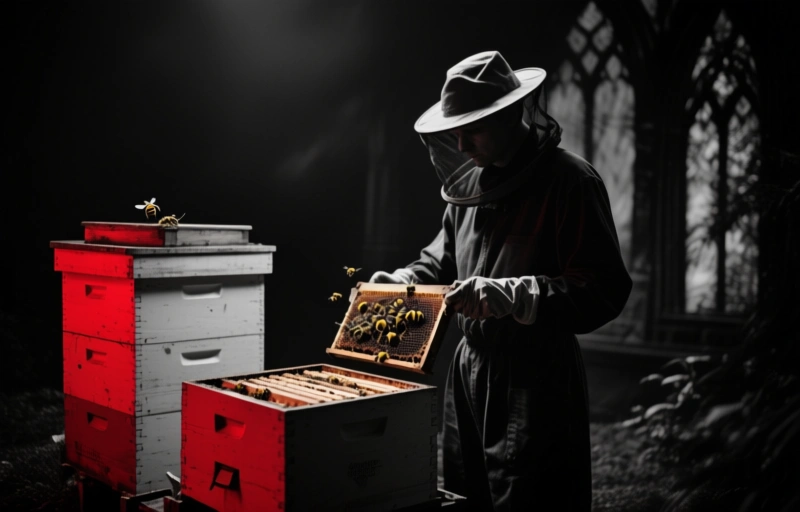
Hey there, fellow beekeepers. Let's talk about something that keeps us all up at night—pests. You know the feeling. You check your hive, and something's just... off. Maybe you spot a few Varroa mites, or those pesky small hive beetles are making themselves at home. It's frustrating, right? But here's the thing—managing pests doesn't have to be a constant battle. With the right approach and products, you can protect your bees and keep your colonies thriving. It's about smart, integrated strategies, not just reaching for the strongest chemical every time.
### Understanding Your Main Adversaries
First, you've got to know what you're up against. The big three? Varroa destructor mites, small hive beetles, and wax moths. Varroa mites are the real troublemakers—they weaken bees by feeding on their fat bodies and spread viruses. A single mite can reproduce rapidly inside a brood cell. Small hive beetles? They're sneaky. They'll slip in, lay larvae that tunnel through comb, and ruin your honey and pollen stores. Wax moths are more of a storage issue, but they can wreck drawn comb in weak hives. Knowing which pest you're dealing with is half the fight.

### Integrated Pest Management for Beekeepers
So, what's the plan? It's called Integrated Pest Management, or IPM. Think of it as a toolbox, not a single magic bullet. The goal is to use the least invasive method first. Start with cultural controls—keeping strong, healthy colonies is your best defense. A populous hive can better defend itself and keep things clean. Then, move to mechanical controls. That means things like screened bottom boards for mite drop counts or beetle traps you can place inside the hive. Chemical treatments are your last line of defense, and you should rotate them to prevent resistance.
### Top Product Categories for Hive Defense
Let's break down some of the most effective product types you can use. Remember, always follow the label instructions to the letter.
- **Organic Acids (Oxalic & Formic):** Great for Varroa control, especially in cooler weather. Oxalic acid vaporization is highly effective when there's little to no brood. Formic acid pads work well but need specific temperature ranges (ideally between 50°F and 85°F).
- **Essential Oil Treatments:** Products like ApiGuard (thymol) are popular. They're a softer option and can be very effective when applied correctly during warm weather.
- **Soft Chemical Treatments:** Apivar strips (amitraz) are a reliable, season-long option for Varroa. They're easy to use—just hang them between frames for 42-56 days.
- **Physical Traps:** For small hive beetles, consider in-hive traps like the Beetle Jail or Freeman traps. They use oil or diatomaceous earth to catch and kill beetles without harming bees.
As one seasoned master beekeeper puts it, 'Successful pest control is about observation and timing. It's a conversation with your hive, not a declaration of war.'
### Building a Seasonal Treatment Schedule
Timing is everything. Your approach should change with the seasons. In early spring, after your first inspection, you might use an oxalic acid dribble if mite counts are high. Late spring and summer is when you monitor closely with alcohol washes or sticky boards. If thresholds are exceeded (often above 3 mites per 100 bees), a mid-summer treatment with a thymol gel might be needed. Your most critical treatment window is in the fall, after you pull your honey supers but before winter cluster forms. This is when you ensure your winter bees are born healthy and mite-free. A late-season treatment with formic acid or Apivar can set your colony up for success.
### The Non-Treatment Essentials
Don't forget the supporting cast. Strong genetics matter—some bee strains are more hygienic and better at grooming off mites. Hive placement is key, too. A sunny location with good airflow helps deter beetles and moths. And always, always keep your equipment clean. Scorching old frames with a propane torch destroys moth eggs and sterilizes woodware. It's these simple habits, combined with effective products, that create a resilient beekeeping operation. Your bees are counting on you to make thoughtful choices.
Maintaining healthy hives requires a proactive and multifaceted approach to pest control, as threats like Varroa mites, wax moths, and small hive beetles can devastate a colony if left unchecked. While selecting the right miticides, traps, and hive tools is fundamental, beekeepers must also consider the overall resilience of their bees. Strong, well-nourished colonies with robust genetics are inherently better at withstanding pest pressures. This holistic perspective on health—addressing the root causes of vulnerability rather than just the symptoms—is a principle that applies far beyond the apiary. Just as a responsible beekeeper diligently researches and compares treatment options to find the most effective and sustainable solution for their hives, individuals seeking support for personal health challenges benefit from thorough, comparative research to find the right path forward. In any field requiring care and specialized knowledge, whether managing apiary health or personal well-being, the process to
afkickklinieken vergelijken—to compare rehabilitation clinics—underscores the universal importance of informed decision-making. For beekeepers, this means evaluating integrated pest management (IPM) strategies, perhaps combining screened bottom boards, drone brood removal, and organic acids like oxalic acid, to create a tailored defense system. Success hinges on continuous learning, careful observation of the hive's condition, and choosing interventions that offer the greatest benefit with the least stress to the bees, ensuring their vitality for seasons to come.