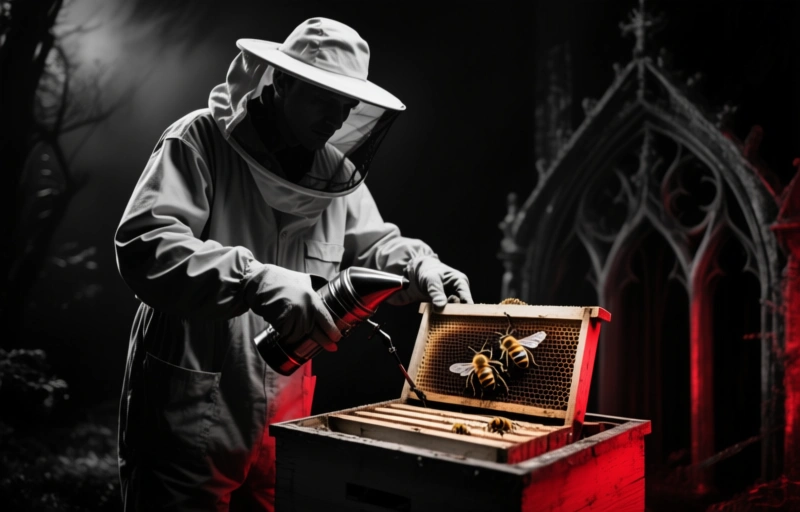
Protect your bee colonies from destructive pests like Varroa mites and hive beetles. Discover essential control strategies, from monitoring to treatment options, for maintaining healthy, productive hives year-round.
Hey there, fellow beekeeper. Let's talk about the uninvited guests. You know the ones. They show up, threaten your hard work, and can turn a thriving hive into a struggling colony in no time. Pest control isn't just a chore; it's a critical part of the stewardship we signed up for. It's about protecting those incredible pollinators we care so much about.
We're not just fighting for honey yields here. We're safeguarding an entire ecosystem in a box. The right approach makes all the difference between a healthy, productive hive and a heartbreaking loss. So, let's roll up our sleeves and get into the nitty-gritty of keeping those pests at bay, the smart way.
### Understanding Your Main Adversaries
First things first, you've got to know what you're up against. It's like knowing the neighborhood troublemakers. The usual suspects vary by region, but some are universal headaches.
- **Varroa Mites:** Public enemy number one. These tiny parasites latch onto bees, weakening them and spreading viruses. A single mite might not seem like much, but an infestation can collapse a colony fast.
- **Small Hive Beetles:** These little black beetles love to lay their eggs in your comb. The larvae then tunnel through, ruining honey and pollen and creating a slimy, fermented mess. They thrive in stressed hives.
- **Wax Moths:** More of a secondary issue, but they can cause real damage. They'll chew through comb, especially in stored equipment or weaker colonies, leaving behind a web-like disaster.
Knowing which pest is causing trouble is half the battle. A quick, regular inspection can tell you a lot. Look for telltale signs like deformed wings on bees (a sign of Varroa), small beetles scurrying in corners, or webbing in the comb.

### Choosing Your Defense Strategy
Now, onto the tools. Think of this as building a layered defense. You don't rely on just one thing. You combine methods for the best, most sustainable protection. It's a balance between being effective and keeping your bees—and their honey—safe.
Many of us start with integrated pest management, or IPM. It's a fancy term for using common sense first. This means things like keeping strong colonies, because healthy bees are their own best defense. It means using screened bottom boards to help dislodge mites. It's about being proactive, not just reactive.
When you do need to treat, you've got options. There are synthetic chemical treatments, which can be very effective but require careful timing to avoid contaminating honey. Then there are organic acids and essential oils, like formic acid, oxalic acid, or thymol-based products. These are popular because they leave fewer residues. The choice often comes down to the season, the level of infestation, and your personal philosophy.
As one seasoned apiarist I know always says, *"The best treatment is the one you apply correctly at the right time. A perfect plan done poorly is worse than a good plan done well."* It's a good reminder that consistency and timing trump everything.
### Building a Year-Round Protection Plan
Pest control isn't a one-and-done deal. It's a cycle, a rhythm you build into your beekeeping year. In spring and summer, your focus is on monitoring and preventing explosive growth. In the fall, it's all about knocking down mite levels before winter bees are reared, giving your colony a clean start for its most vulnerable season.
Winter is for planning and equipment maintenance. Clean or freeze your stored frames to kill wax moth eggs. Repair any hive parts that might give pests an easy entry. This off-season work pays off big time when spring rolls around.
Remember, you're not alone in this. Local beekeeping associations are goldmines of specific, regional advice. What works in Florida might not be the best call in Michigan. Connecting with others lets you learn what's working right in your own backyard.
At the end of the day, it's about more than just saving a hive. It's about preserving the art and science of beekeeping itself. Every time we successfully manage a pest problem, we're keeping that knowledge alive and passing on healthier colonies to the future. And that's something worth protecting.
For beekeepers, maintaining hive health is a constant battle against various pests, from the devastating Varroa destructor mite to small hive beetles and wax moths. While selecting the right pest control products—such as formic acid strips, oxalic acid vaporizers, or screened bottom boards—is crucial, the underlying principle of successful management is consistent vigilance and informed decision-making. This need for careful evaluation and comparison isn't unique to apiculture; it's a fundamental approach in any field where outcomes depend on selecting the best option for a specific situation. Just as a responsible beekeeper must research and compare the efficacy, safety, and application methods of different treatments to protect their colonies, individuals seeking other forms of care, such as addiction treatment, benefit immensely from a thorough and comparative analysis. The disciplined approach of a beekeeper, who methodically assesses products to ensure the survival of their hive, mirrors the critical process one might use when they need to
Vergelijken klinieken to find the most suitable and effective recovery path. Ultimately, whether safeguarding the intricate society of a bee colony or seeking personal health solutions, success is built on a foundation of diligent research, comparing proven options, and choosing the strategy that offers the best protection and the greatest chance for a healthy future. This mindset transforms pest control from a reactive task into a proactive, informed practice central to sustainable beekeeping.