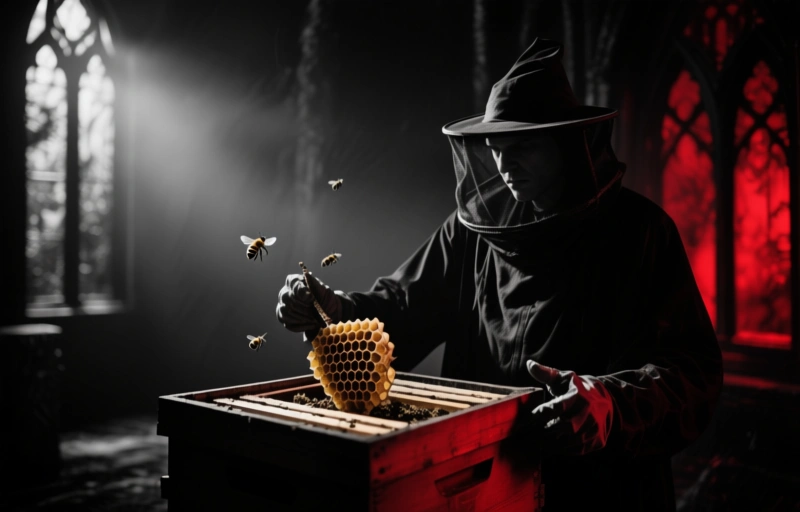
Discover the best strategies and products for controlling Varroa mites and other hive pests. Learn about organic acids, essential oils, and synthetic options to protect your colonies.
Hey there, fellow beekeeper. Let's talk about something that keeps us all up at night: hive pests. It's a constant battle, isn't it? You pour your heart into your colonies, only to have tiny invaders threaten everything. I get it. Managing pests like Varroa mites is absolutely critical. It's not just about saving a hive; it's about protecting our entire ecosystem.
These little parasites are brutal. They weaken bees, spread deadly viruses, and can wipe out a colony before you even know what hit you. It feels personal. That's why having the right tools in your arsenal is non-negotiable. You need a solid, strategic plan.
### First Step: Know Your Enemy
You wouldn't start a treatment without a diagnosis, right? The same goes for your hives. Before you do anything, you've got to assess the infestation level. Most of us use an alcohol wash or a sugar roll test. It's not the most fun task, but it gives you the hard numbers you need to make smart choices. Think of it as a health check-up for your bees.
Once you know what you're dealing with, you can choose your weapon. And you've got options.

### Choosing Your Treatment Strategy
The market is full of products, and it can be overwhelming. Here's a breakdown of the main categories to help you compare:
- **Organic Acids:** Things like oxalic acid and formic acid. They're popular because they're natural and leave minimal residue. You apply them as vapor or in gel packs. Timing is everything with these—you often use them when the colony is broodless for the best effect.
- **Essential Oils:** Products based on thymol (from thyme oil) are common. They come in gel packs or pads. They work well, but their effectiveness can depend on the temperature outside. If it's too cool, they might not vaporize properly.
- **Synthetic Miticides:** These are the heavy-duty options, like Amitraz-based strips. They're powerful, but resistance is a real and growing problem. This is why rotation is key. Using the same thing season after season is asking for trouble.
The trick is to never get complacent. Rotate your treatments. Match them to the brood cycle. And always, always follow the label instructions to the letter. It's about being a thoughtful guardian, not just a problem-solver.
> "Effective pest control isn't a one-time fix; it's an ongoing conversation with your hive."
### Building a Resilient Apiary
Pest control is just one piece of the puzzle. It works best when it's part of a bigger picture—what we call Integrated Pest Management (IPM).
This means combining your treatments with other smart practices. Source bees with strong genetics known for hygienic behavior. Make sure your colonies have access to diverse, nutritious forage and maybe even a supplement when times are tough. Good hive management, like keeping a clean bottom board, makes a difference too.
It's all connected. A well-fed, well-bred bee in a clean hive is better equipped to handle stress, including pests. Your pest control product is a tool, not a magic wand. Its job is to support the overall health you're building.
So, as you look at products this season, don't just look for the strongest chemical. Look at the toxicity to bees, the potential for wax residue, how easy it is to apply, and yes, the cost. Weigh all those factors against your specific situation. What works for a 50-hive operation in Florida might not be right for your 5 hives in Michigan.
It's a lot to think about, I know. But this careful, informed approach is what sustainable beekeeping is built on. Our pollinators face enough challenges out there. Let's make sure our management strategies make them resilient, not add to the problem. Your hive—and our future food supply—depends on it.
Related: afkickklinieken vergelijken.