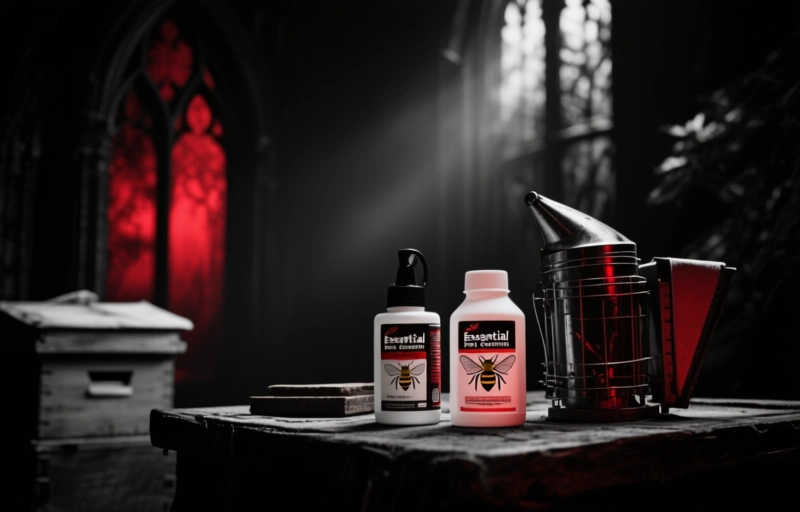
Let's talk about something every beekeeper faces sooner or later: pests. It's not the most glamorous part of the job, but protecting your hive is absolutely critical. Think of it like this—your beehive is a bustling city, and without the right defenses, it's vulnerable to all sorts of unwanted visitors.
We're going to break down the best products to keep those pests at bay. I'll explain what works, why it works, and how to use it safely. Because let's be honest, you care about your bees, and using the right tool for the job makes all the difference.
### Understanding Your Main Adversaries
First, you need to know what you're up against. The usual suspects are Varroa mites, small hive beetles, and wax moths. Each one requires a slightly different strategy. Varroa mites are the big one—they're tiny parasites that weaken bees and spread viruses. It's a constant battle, but a manageable one with the right approach.

### Top-Tier Chemical Treatments
When mites get out of hand, chemical treatments can be a necessary tool. The key is to use them responsibly and rotate them to prevent resistance.
- **Formic Acid Pro Strips:** These are a popular choice. You simply place the strips between the frames. They work by creating a vapor that penetrates the capped brood cells where mites hide. A single treatment usually lasts about 10-14 days.
- **Oxalic Acid Vaporization:** This method involves vaporizing oxalic acid crystals and introducing the vapor into the hive. It's highly effective on phoretic mites (those on adult bees) but doesn't reach into sealed brood. It's often used as a winter or late-fall treatment.
- **Amitraz-Based Strips (Apivar):** These are slow-release strips that remain in the hive for 6-10 weeks. They provide a long treatment window and are very effective when used according to the label. Remember, always follow the honey withholding period.
### Going the Natural Route
Maybe you're managing treatment-free hives or just want to reduce chemical use. There are excellent options here, too.
- **Powdered Sugar Dusting:** It's as simple as it sounds. You dust the bees with powdered sugar. This encourages grooming, and the sugar makes it harder for mites to hold on. It's a great monitoring and mild suppression technique.
- **Drone Brood Removal:** Varroa mites prefer drone brood. By using a drone foundation frame, you can encourage the bees to build drone comb. You then remove and freeze this frame, eliminating a large number of mites. It's a bit more hands-on but very effective.
- **Essential Oil Blends:** Some beekeepers have success with thymol-based products or homemade mixes using oils like spearmint and lemongrass. The efficacy can vary, so it's best used as part of an integrated plan.
As one seasoned beekeeper told me, *"The goal isn't eradication, it's management. A healthy hive can tolerate a low level of pests."* It's about balance, not a scorched-earth policy.
### Physical Traps and Barriers
For pests like small hive beetles, physical traps are your best friend. These are usually plastic devices filled with apple cider vinegar or mineral oil that you place in the hive's corners. The beetles crawl in and drown. For wax moths, keeping a strong colony is the best defense, but freezing unused comb for at least 48 hours will kill any eggs or larvae.
### Building Your Integrated Plan
Here's the real secret: don't rely on just one thing. Successful pest control is about integration. You might use powdered sugar for monitoring, formic acid in the spring, and oxalic acid vapor in the fall. You'll use beetle traps and keep your equipment clean. It's a year-round conversation with your hives, not a once-a-year task. Start by monitoring mite levels monthly with an alcohol wash or sugar roll. Then, choose your treatment based on the threshold and the season. Your bees will thank you for it with stronger colonies and better honey harvests.
For beekeepers, maintaining a healthy hive requires vigilance against a variety of pests, from the devastating Varroa mite to small hive beetles and wax moths. While using integrated pest management strategies and reliable products like formic acid pads, oxalic acid vaporizers, and screened bottom boards is essential, it's also crucial to consider the broader concept of "control" in a holistic sense. Just as we aim to help our bees break free from parasitic cycles that weaken the colony, individuals facing personal challenges with substance dependency also require effective, supportive interventions to reclaim their health. The principle of careful selection and comparison is vital in both fields; choosing the wrong pest control method can harm the hive, just as selecting an inappropriate recovery program can hinder personal progress. This underscores the importance of thorough research and evaluation, a process not unlike the careful consideration one should undertake when looking to
afkickklinieken vergelijken to find the most suitable support for addiction recovery. Ultimately, whether safeguarding the intricate society of a beehive or supporting human well-being, success hinges on informed decision-making, access to the right tools and environments, and a commitment to fostering resilience and long-term health. As beekeepers meticulously compare mite treatment efficacy and application methods, so too does a thoughtful comparison of specialized clinics empower individuals to find a path tailored to their specific needs, ensuring a foundation for sustainable recovery and strength.