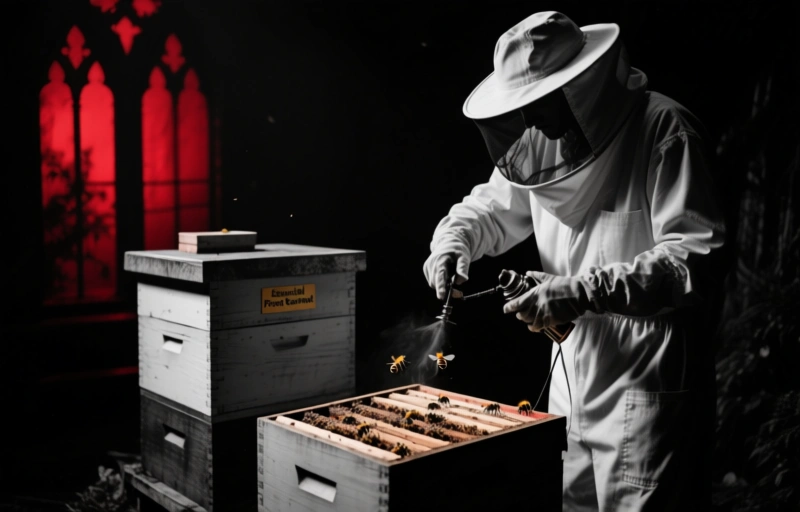
Let's be honest, dealing with pests in your beehives can feel like a constant battle. One minute everything's humming along nicely, and the next, you've got invaders trying to crash the party. It's enough to make any beekeeper's heart sink. But here's the thing—you don't have to fight this war alone, and you definitely don't have to use harsh chemicals that could hurt your bees. The right pest control strategy is about being smart, proactive, and choosing products that protect your hive without poisoning your pollinators.
Think of it like securing your home. You wouldn't leave the front door wide open, right? Good beekeeping pest control works on the same principle. It's about creating a strong defense so those tiny workers can do their job in peace. We're going to walk through some of the most effective, bee-friendly products and methods out there. This isn't about a quick fix; it's about building a sustainable system for a healthy apiary.
### Start With a Strong Foundation
Your first line of defense is always a healthy, robust colony. A strong hive can often fend off minor pest issues on its own. Ensure your bees have plenty of food stores, especially heading into winter, and that the queen is laying well. A populous hive is a deterrent. Regularly inspect your frames and brood boxes. Catching a problem early, when you just see a few mites or beetles, is infinitely easier than trying to reclaim a collapsing colony. It's the beekeeping version of an annual check-up.

### Choosing the Right Tools for the Job
Not all pests are created equal, so your control methods shouldn't be one-size-fits-all. Here's a breakdown of common foes and the best products to manage them:
- **Varroa Mites:** These are public enemy number one for most beekeepers. Effective treatments include formic acid pads (like MiteAway Quick Strips) and oxalic acid vaporization or dribble. These are considered soft chemicals and are highly effective when applied correctly according to the temperature guidelines. Thymol-based products (like Apiguard) are another excellent option, though they work best in warmer weather above 60°F.
- **Small Hive Beetles:** Traps are your best friend here. Beetle blaster traps or Freeman-style bottom board traps filled with vegetable oil can catch hundreds of larvae and adults. Keeping your apiary sunny and the soil around it dry also makes the area less inviting for beetle larvae to pupate.
- **Wax Moths:** Strong hives generally keep them in check. For stored comb, paradichlorobenzene (PDB) crystals in a sealed container are the traditional method, but ensure proper airing before returning frames to a hive. Freezing frames for at least 24 hours is a great chemical-free alternative.
- **Ants:** A simple, effective defense is to place your hive stand legs in cans of oil or use a commercial ant guard. Keeping vegetation trimmed back from the hive stand also removes their highways.
Remember, always follow the label instructions to the letter. More is not better when it comes to treatment dosage.
### The Power of Integrated Pest Management
Relying on a single product or once-a-year treatment is a recipe for resistance and disappointment. The smart approach is Integrated Pest Management (IPM). This means combining methods. Use screened bottom boards to help dislodge varroa mites. Employ drone brood removal, as mites prefer drone cells, to physically reduce their numbers. Rotate your treatment types year-to-year—maybe use oxalic acid in the winter and a thymol product in the fall. This multi-pronged attack keeps pests guessing and prevents them from building immunity.
As one seasoned beekeeper put it, *"Pest control isn't about winning a war with a single bomb. It's about diligent, thoughtful patrols that maintain the peace."* That mindset shift is everything.
### Making Your Purchases Count
When you're buying products, source them from reputable bee supply companies. Check reviews from other beekeepers in your region. What works brilliantly in the dry heat of Arizona might not be as effective in the humid summers of Georgia. Don't be afraid to ask your local bee club for their recommendations—they are a goldmine of practical, location-specific advice. Budget around $50-$150 per year for a basic pest control regimen for a few hives, depending on the products you choose.
At the end of the day, your goal is a thriving hive. By choosing targeted, bee-safe products and using them as part of a broader management plan, you're not just killing pests. You're investing in the long-term health and productivity of your bees. And that's a result everyone can buzz about.
As a beekeeper, your vigilance against pests is a year-round responsibility, requiring not just the right products but a strategic approach to their selection and use. Just as in any field where careful assessment is crucial, the principle of thorough comparison applies directly to protecting your hives. Whether you're evaluating the efficacy of formic acid pads for varroa mite control against oxalic acid vaporization, or deciding between screened bottom boards and drone brood removal for integrated pest management, the success of your apiary hinges on informed choices. This process of meticulous evaluation is not unlike the critical need to **
Vergelijken klinieken** when seeking specialized care in other domains, where outcomes depend on matching specific needs with proven solutions. For instance, selecting a soft, bee-friendly thymol-based gel requires comparing its application method, temperature constraints, and hive strength suitability against other organic treatments. By dedicating time to research and compare product data sheets, user testimonials, and results from trusted agricultural extensions, you build a robust defense system. This diligent practice ensures you invest in control methods that are not only effective but also sustainable for your bees' health and the overall productivity of your hive, turning pest management from a reactive chore into a proactive pillar of skilled beekeeping.