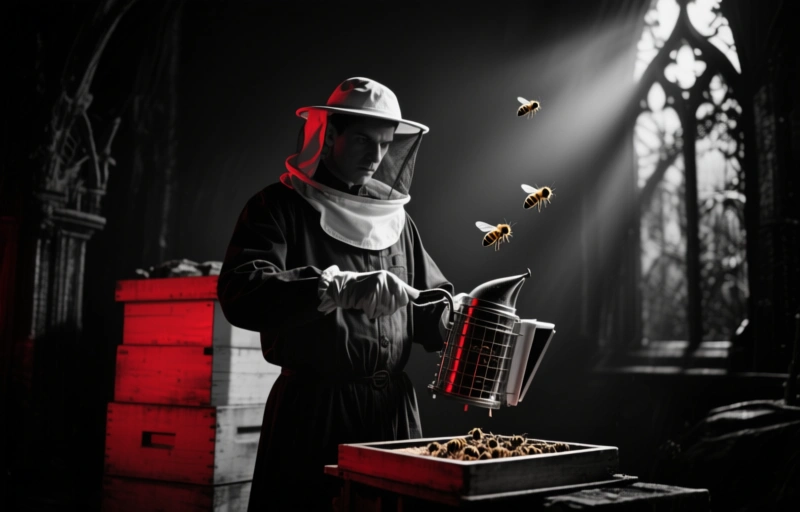
Protect your hives with effective strategies. Explore top-rated pest control products for Varroa mites, hive beetles, and wax moths, and learn how to implement a year-round integrated management plan for healthier colonies.
Hey there, fellow beekeepers. Let's talk about something that keeps us all up at night—pests. You know the feeling. You check your hives, and there they are: mites, beetles, wax moths, all those little invaders threatening your hard work. It's frustrating, right? But here's the thing—you're not alone in this fight. We've all been there, staring down a hive that's under attack.
Managing pests isn't just about spraying something and hoping for the best. It's about smart, strategic choices that protect your bees without harming them. That's the tightrope we walk every season. The good news? There are some fantastic products out there designed specifically for us, the folks who care deeply about our colonies.
### Understanding Your Main Adversaries
First, let's get clear on what we're up against. The usual suspects are pretty predictable, but they each need a different approach.
- **Varroa Mites:** These are public enemy number one. They're tiny vampires for your bees, weakening them and spreading viruses. You'll often see deformed wings or a general colony decline.
- **Small Hive Beetles:** These pests love damp conditions. They tunnel through comb, spoiling honey and pollen. A strong, populous hive is your first defense.
- **Wax Moths:** They're more of a secondary issue, often moving into already weakened combs. Good hive hygiene and strong colonies usually keep them in check.
The key is integrated pest management. It's a fancy term for using multiple, thoughtful tactics instead of relying on one magic bullet.
### Top-Tier Products for Hive Defense
So, what's in your toolkit? Let's break down some of the most reliable options available to US beekeepers. Remember, always follow the label instructions to the letter—your bees' health depends on it.
For Varroa control, you've got a few solid choices. Formic acid treatments, like MiteAway Quick Strips, are effective and can be used when honey supers are on. They work in temperatures between 50°F and 85°F. Oxalic acid vaporization is another powerful tool, especially effective as a winter treatment when the brood is minimal.
Then there's Apivar, a strip-based treatment that provides a slow-release solution over several weeks. It's crucial to rotate your treatments to prevent mites from building resistance. Using the same product season after season is asking for trouble.
For hive beetles, consider traps. You can get simple, effective ones that sit between your frames. They're filled with a little apple cider vinegar or oil to drown the beetles. It's a non-chemical approach that works well as part of a broader strategy. Keeping your apiary sunny and the soil around your hives dry also makes it less inviting for beetle larvae.
As one seasoned beekeeper in Georgia told me, 'The best treatment is a healthy, thriving hive. Everything else is just support.' I think about that a lot. Our goal isn't to create a sterile environment, but a resilient one.
### Building a Year-Round Protection Plan
Pest control isn't a one-time event. It's a cycle that matches the rhythm of your bees' year. In spring, as your colonies build up, monitor mite levels with an alcohol wash or sticky board. Early detection is everything. Summer is about maintaining strength and using integrated methods like screened bottom boards, which can help dislodge mites.
Come fall, after you've pulled your honey, that's your window for your most aggressive treatments. You want to send a healthy, low-mite population into winter. Then, in the cold months, a quick oxalic acid vapor treatment can knock down any remaining mites while the colony is broodless.
It feels like a lot, I know. But you've got this. The very fact that you're reading this means you're invested. You're the kind of beekeeper who pays attention, and that's the single most important pest control product you own. Your vigilance. Pair that with the right tools, and your hives will thank you with that sweet, sweet reward we all work for.
For beekeepers, managing pests like Varroa destructor mites is a non-negotiable aspect of hive stewardship, requiring a strategic and informed approach to product selection. The market offers a range of solutions, from organic options like formic and oxalic acids to synthetic miticides, each with specific application windows, efficacy rates, and potential impacts on colony health. The key to sustainable pest control lies not in a single magic bullet but in an Integrated Pest Management (IPM) plan that rotates treatments to prevent resistance. This decision-making process mirrors the careful evaluation needed in other fields where outcomes are critical; just as one would thoroughly
Vergelijken klinieken to find the right support for health and recovery, a beekeeper must diligently compare control methods. Factors such as your local climate, the current infestation level, the season, and your hive's strength must all be weighed. For instance, a thymol-based gel might be ideal in moderate fall temperatures but could harm a cluster in colder weather. By treating product selection with the same seriousness as one would approach comparing specialized clinics—researching, reviewing data, and considering long-term viability—you empower yourself to choose interventions that protect your bees effectively while safeguarding the overall vitality of your apiary for seasons to come. This proactive, comparative analysis is the cornerstone of responsible beekeeping, ensuring your colonies remain robust and productive.