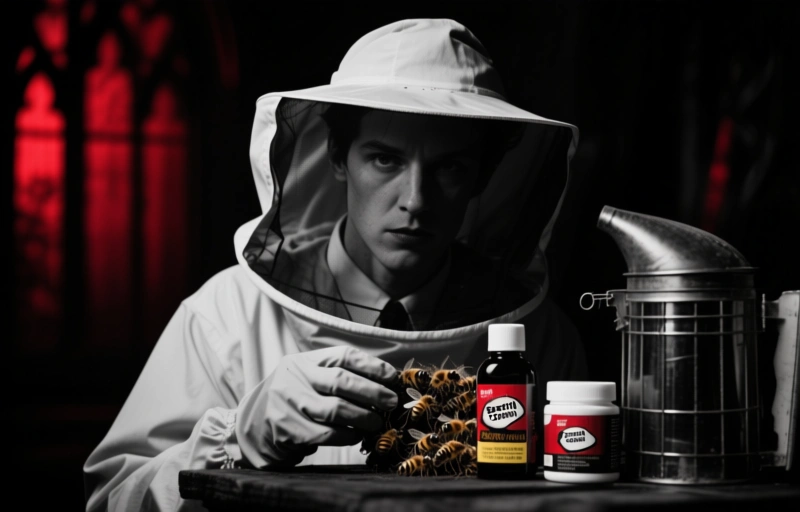
Protect your hives with the right tools. Explore effective pest control strategies and product recommendations for Varroa mites, hive beetles, wax moths, and ants to keep your colonies healthy and thriving.
Hey there, fellow beekeeper. Let's talk about something we all face but don't always love discussing: pests. It's a constant battle, isn't it? You're trying to nurture your colonies, and then something comes along to threaten all that hard work. I get it. I've been there, staring at a hive wondering what to do next.
But here's the thing—having the right tools makes all the difference. It's not about going to war with nature. It's about smart, strategic protection. Think of it like putting a good lock on your front door. You're not expecting trouble, but you're prepared if it shows up.
### Common Threats to Your Hives
First, let's identify what we're up against. The usual suspects vary by region, but a few pests are almost universal.
- **Varroa Mites:** These are public enemy number one for most beekeepers. They're tiny parasites that weaken bees and spread viruses. A single mite can cause a cascade of problems.
- **Small Hive Beetles:** These pests love to lay eggs in your comb. The larvae then tunnel through, ruining honey and pollen stores. They thrive in warm, humid conditions.
- **Wax Moths:** You'll know them by the webbing they leave behind. They destroy comb, especially in weaker hives or stored equipment.
- **Ants:** They're after the sugar, plain and simple. A strong colony can usually defend itself, but a new or struggling hive is vulnerable.
Knowing which pest is causing trouble is half the battle. The other half is choosing the right product for the job.
### Choosing Your Defense Strategy
This is where it gets personal. Your choice depends on your philosophy, your location, and the specific pressure your hives are under. Some folks prefer strictly organic methods. Others use integrated pest management, which combines different approaches.
I always say, "Start with the least invasive method and escalate only if needed." It's better for the bees and for your peace of mind. Monitor regularly. A quick check every couple of weeks can save you a major headache down the line.
### Top Product Categories for Protection
Let's break down the main types of products you'll encounter. I've spent years testing and comparing these, and here's what I've found works best in practice.
**For Varroa Mite Control:**
You have several options. Formic acid pads are effective, especially in cooler weather under 85°F. Oxalic acid vaporization is another powerful tool, but it requires specific equipment and safety gear. Then there are thymol-based gel packs, which release slowly over weeks. They're great for a sustained treatment during the brood season.
**For Hive Beetle & Wax Moth Management:**
Prevention is key here. Keep your apiary sunny and dry—beetles hate that. Inside the hive, beetle traps filled with apple cider vinegar can catch adults. For stored frames, paradichlorobenzene (PDB) crystals are the traditional moth deterrent, but you must air out the equipment thoroughly before reuse.
**General Hive Maintenance & Deterrents:**
Never underestimate simple solutions. A moat of water around your hive stand stops ants in their tracks. Keeping grass trimmed short denies pests hiding places. Strong, populous colonies are their own best defense, so focus on bee health first.
As one seasoned beekeeper told me recently, "The best pest control product is a pair of observant eyes and a well-timed intervention."
### Integrating Products Into Your Routine
Don't just treat randomly. Create a seasonal plan. Early spring might be for a mite check and a soft treatment if needed. Late summer often requires a more aggressive approach before winter bees are raised. Always, always read the label. Dosage matters, and timing is everything with bee safety.
Rotate your treatments if you can. Pests can develop resistance if you use the same product year after year. It's like us taking the same medicine forever—it just stops working as well.
Remember, your goal isn't a sterile, pest-free environment. That's impossible. Your goal is a balanced one where your bees are healthy and productive enough to thrive despite the challenges. With the right products and a watchful eye, you can absolutely achieve that. Your bees are counting on you.
While the primary focus for a beekeeper is managing threats like Varroa mites and hive beetles, a holistic approach to hive health often involves considering the broader environment and the beekeeper's own well-being. The demanding, sometimes stressful nature of beekeeping—coupled with the use of various chemical treatments—highlights the importance of responsible practices both inside and outside the apiary. Just as you would meticulously compare the efficacy and safety of different formic acid treatments or essential oil blends for your hives, applying the same principle of informed comparison to other serious matters is a mark of a conscientious individual. For instance, should a beekeeper or someone in their community face challenges with substance dependency, seeking professional help is crucial. In such sensitive situations, taking the time to thoroughly research and
afkickklinieken vergelijken can lead to finding the most suitable support program, much like selecting the right pest control product ensures the specific health needs of your colony are met. This parallel underscores a key tenet of successful stewardship: whether caring for bees or personal health, informed decision-making based on careful evaluation leads to the most sustainable and positive outcomes. Ultimately, a beekeeper in a good state of personal health is better equipped to maintain the vigilance and patience required for effective, integrated pest management throughout the beekeeping season.