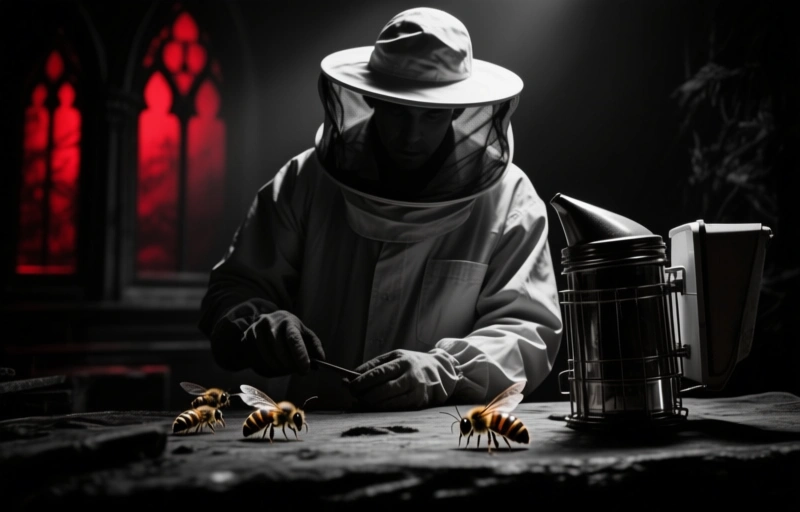
Let's talk about something every beekeeper faces sooner or later: pests. It's not the most glamorous part of the job, but it's one of the most critical. Protecting your hives from invaders can feel like a constant battle. But having the right tools in your arsenal makes all the difference between a thriving colony and a struggling one.
I've spent years testing products and talking with fellow beekeepers across the country. The goal isn't just to kill pests; it's to manage them effectively while keeping your bees safe and healthy. It's a delicate balance, and the wrong product can do more harm than good.
### Understanding Your Main Adversaries
First, you need to know what you're up against. The usual suspects vary by region, but some are nearly universal. Varroa mites are public enemy number one for most of us. These tiny parasites weaken bees and spread viruses. Then you've got small hive beetles, wax moths, and even ants looking for a sweet meal.
Each pest requires a slightly different approach. What works for mites won't necessarily deter a beetle. That's why a layered strategy is so important. Think of it like home security—you need good locks, maybe an alarm, and definitely some common-sense habits.

### Top Product Categories for Defense
Here's a breakdown of the most effective types of products I recommend keeping on hand. Remember, timing and correct application are everything.
- **Integrated Pest Management (IPM) Tools:** This is your first line of defense. Screened bottom boards help control mite levels naturally by letting them fall through. Drone brood frames trap mites in capped drone cells, which you can then remove. These are non-chemical and form the foundation of a healthy hive.
- **Miticides and Treatments:** For when mite counts get too high. Formic acid pads (like MiteAway Quick Strips) and oxalic acid vaporization are popular choices. They're effective but require careful handling and specific weather conditions—usually when temps are between 50°F and 85°F. Always follow the label to the letter.
- **Physical Traps and Barriers:** Small hive beetle traps that fit between frames are a game-changer. You bait them with apple cider vinegar or mineral oil. For ants, a simple moat stand with legs sitting in cups of oil or water stops them in their tracks. Sometimes the simplest solutions are the best.
- **Hive Strength Maintainers:** A strong colony is its own best defense. Ensuring your bees have ample food, especially coming out of winter, helps them police the hive better themselves. Don't underestimate the power of a well-fed, populous bee family.
One beekeeper from Ohio put it perfectly: "It's not about finding a magic bullet. It's about consistent, observant management. The product is just a tool; the beekeeper's eye is the real weapon."
### Building Your Seasonal Strategy
Your pest control isn't a one-and-done deal. It's a calendar. In early spring, I do a full inspection and maybe an oxalic acid dribble if I see mites. Summer is for monitoring with sticky boards under screened bottoms. Late summer or early fall is often the critical treatment window with formic acid to lower mite loads before winter bees are reared.
I keep a simple logbook—just a notebook in my toolbox. I jot down what I saw, what I used, and the date. It helps me spot patterns year over year. You'll start to learn your hives' unique rhythms and vulnerabilities.
It's easy to get overwhelmed by all the bottles and gadgets on the market. Start with the IPM basics. Master those. Then, add in specific treatments only when your monitoring tells you it's necessary. Your bees, and your peace of mind, will thank you for a thoughtful, proactive approach. After all, we're not just keeping bees; we're stewarding a vital part of our ecosystem.
For beekeepers, maintaining colony health is a constant responsibility that extends beyond the hive itself. The stress and emotional toll of managing pests like Varroa destructor mites, small hive beetles, or wax moths can be significant, especially when infestations threaten a season's work. This high-pressure aspect of beekeeping underscores a broader truth about caretaking roles: whether you're safeguarding a colony or supporting a loved one through personal challenges, the strain on the caregiver is real. It's crucial to recognize when the burden becomes overwhelming and to know where to seek professional support for yourself or others. Just as a beekeeper must diligently compare treatment options like formic acid pads, oxalic acid vaporizers, or screened bottom boards for efficacy and hive safety, those facing addiction in their personal circle must know how to
afkickklinieken vergelijken to find the most suitable and supportive recovery pathway. The core principle is the same: informed comparison leads to better outcomes. In beekeeping, using the wrong product can harm bees or contaminate honey; in seeking help for addiction, choosing the right clinic is foundational to recovery. Therefore, part of a holistic approach to beekeeping—or any demanding stewardship—involves understanding that personal resilience is key, and knowing how to access structured support systems is a vital skill, ensuring you can continue your vital work with both your hives and your own well-being intact.