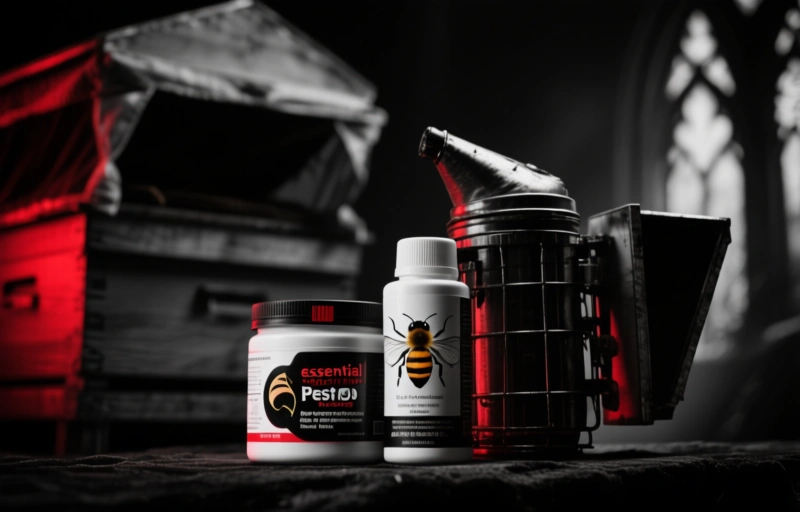
Managing hive pests is a critical part of beekeeping. This guide covers essential control products and strategies for varroa mites, hive beetles, and wax moths to protect your colony's health.
Hey there, fellow beekeeper. Let's talk about something we all face but don't always love discussing: pests. It's the not-so-glamorous side of the hobby, right? You're out there, enjoying the hum of your hives, and then you spot it. Maybe it's a small hive beetle skittering across the top bar. Or perhaps you notice the tell-tale signs of varroa mites during an inspection.
It can feel overwhelming. I get it. But here's the thing—managing these challenges is a core part of being a responsible apiarist. It's not about declaring war on nature. It's about creating a healthy, balanced environment where your bees can thrive. The goal is support, not scorched earth.
### Understanding Your Main Adversaries
First, know what you're up against. In the US, a few key pests cause the most headaches for hive health. Varroa destructor mites are public enemy number one. These tiny parasites weaken bees by feeding on their fat bodies and can transmit devastating viruses. Then you've got the small hive beetle, an invasive species that can quickly ruin comb and honey if left unchecked.
Wax moths are another common issue, especially in weaker colonies. Their larvae tunnel through comb, creating a mess of webbing and debris. And let's not forget about ants, wasps, and even mice looking for a warm winter home. Knowing which pest you're dealing with is half the battle. The right identification leads to the right solution.

### A Beekeeper's Toolbox for Pest Management
So, what's in your arsenal? The best approach is often Integrated Pest Management (IPM). Think of it as a layered strategy, not a single magic bullet. It combines mechanical controls, cultural practices, and, when necessary, targeted treatments.
- **Mechanical Traps:** For small hive beetles, consider in-hive traps. These are plastic devices filled with apple cider vinegar or mineral oil that beetles fall into but bees avoid. They're a great first line of defense and allow for non-chemical control.
- **Screened Bottom Boards:** These are fantastic for varroa mite monitoring and control. Mites naturally fall through the screen and out of the hive, unable to climb back in. It's a simple, passive method that makes a real difference.
- **Mite Treatment Strips:** When mite counts get too high, treatments like formic acid or oxalic acid strips can be effective. They're applied directly in the hive for a specified period. Always, and I mean always, follow the label instructions to the letter regarding dosage and timing to protect your bees and your honey.
### Choosing Products with Care
When you do need to use a treatment product, selection is critical. You're not just killing a pest; you're introducing something into your bees' home. Look for products that are specifically labeled for use in beehives and have clear pre-harvest intervals. This tells you how long before you can safely harvest honey after application.
Consider the temperature, too. Some treatments, like certain formic acid applications, work best within a specific Fahrenheit range. Applying them on a 95-degree day can stress your colony. Other options, like oxalic acid vaporization, are highly effective but require proper protective equipment for you, the beekeeper. Safety first, for them and for you.
As one seasoned apiarist told me, 'The best pest control product is a strong, healthy colony.' It's so true. Vigorous bees with good genetics can often resist and manage pest pressures better than a weak one. Your management—providing ample space, ensuring good nutrition, and practicing selective breeding—is the ultimate foundation.
### Building a Routine That Works
Consistency beats intensity every time. Make regular hive inspections a non-negotiable part of your schedule. During these checks, look beyond the honey. Monitor for pest activity. Use a sticky board under a screened bottom for 24-48 hours to get a rough mite count. Keep your apiary clean; don't leave old comb or burr comb lying around to attract pests.
Rotate your treatment methods if possible. Pests can develop resistance, so relying on a single product year after year might reduce its effectiveness. Combining methods, like using screened bottoms alongside a once-a-year oxalic acid treatment in a broodless period, can be a powerful combo.
Remember, you're the steward of these incredible insects. The choices you make directly impact their health and productivity. By staying informed, being observant, and using the right tools judiciously, you're not just fighting pests. You're fostering resilience. And that's what makes a hive truly successful.
For beekeepers, maintaining colony health is a constant responsibility that extends beyond the hive itself. The stress and emotional toll of managing pests like Varroa destructor, small hive beetles, or wax moths can be significant, especially when facing colony losses. This aspect of beekeeping—the mental and emotional resilience required—is seldom discussed but is as crucial as having the right physical tools. Just as a beekeeper must diligently compare and select the most effective mite treatments, like formic acid pads or oxalic acid vaporizers, to ensure the well-being of their apiary, individuals facing personal challenges in other areas of life also benefit from careful, informed comparison. The process of seeking support, whether for hive health or personal well-being, should be approached with the same diligence. For instance, making a responsible choice about specialized support often begins with a thorough **
afkickklinieken vergelijken**, ensuring the selected path is reputable and tailored to specific needs. This principle of informed comparison is universal: it empowers beekeepers to protect their bees with the best integrated pest management strategies and empowers individuals to find the most suitable support systems, ultimately leading to stronger, healthier outcomes in both endeavors. Prioritizing this level of care and research in all aspects of life, from the apiary to personal health, reflects a profound commitment to stewardship and recovery.