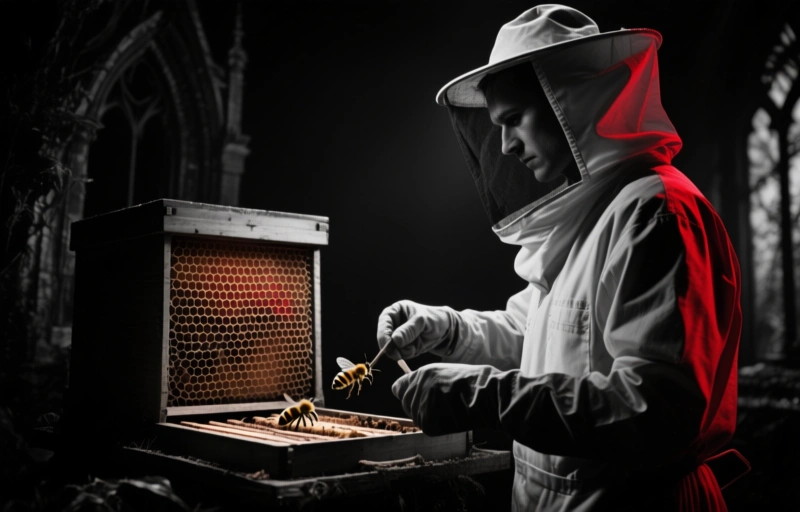
Hey there, fellow beekeeper. Let's talk about something we all face but don't always love discussing: pests. It's a constant battle, isn't it? You pour your heart into your hives, only to find unwanted visitors threatening your hard work. I get it. It's frustrating.
But here's the good news. We have more tools and strategies than ever to protect our colonies. It's not about declaring war on nature. It's about smart, targeted management that keeps your bees healthy and productive. Think of it as being a good bouncer for your hive's nightclub—you're just keeping the troublemakers out.
### Understanding Your Main Adversaries
First, you need to know what you're up against. The usual suspects vary by region, but a few are nearly universal.
- **Varroa Mites:** The public enemy number one. These tiny parasites weaken bees by feeding on their fat bodies and spreading viruses. A severe infestation can collapse a colony in a season.
- **Small Hive Beetles:** These pests burrow into frames, causing honey to ferment and creating a slimy mess. They thrive in stressed colonies.
- **Wax Moths:** They're less of a direct threat to a strong hive but can destroy stored comb in your equipment shed. Their larvae tunnel through wax, leaving a web of destruction.
Knowing which pest is active helps you choose the right defense. It's like having the right tool for the job.

### Choosing Your Defense Strategy
You've got options, from natural methods to approved treatments. The best approach is often integrated—using multiple tactics. I always say, "Start soft, go hard only if you need to."
Many beekeepers swear by non-chemical methods first. Screened bottom boards can help manage varroa mite levels. Keeping strong, populous colonies is your best natural defense—a packed house leaves no room for squatters. For stored equipment, freezing frames for at least 24 hours kills wax moth eggs and larvae.
When non-chemical methods aren't enough, several EPA-approved products are safe for bees when used correctly. Formic acid and oxalic acid treatments are popular organic options. There are also thymol-based products and synthetic miticides like Amitraz strips. **The key is to rotate treatments** to prevent pests from building resistance. Never use a product not labeled for beekeeping.
### A Practical Seasonal Plan
Let's make this real. Here's a simple, actionable plan you can adapt.
**Spring:** After your first inspection, assess mite levels with an alcohol wash or sugar roll. If counts are high, consider a spring treatment like formic acid, which works in cooler temperatures. Ensure hive entrances are reduced to help bees defend against robbers and beetles.
**Summer:** Monitor for hive beetles, especially during hot spells. Keep hives in full sun if possible, as beetles prefer shade. Use beetle traps inside the hive if you see an issue. This is also a good time for another mite check mid-season.
**Fall:** This is the most critical treatment window. You must reduce mite loads before winter bees are reared. Apply your chosen fall treatment—oxalic acid vaporization is highly effective here. Install mouse guards before the first frost.
**Winter:** While treatments are mostly off the table, this is planning time. Order supplies, clean and repair equipment, and freeze any drawn comb you're storing.
Staying vigilant is the real secret. Regular hive inspections aren't just about checking for honey. You're looking for signs of stress, odd behavior, or those first few pests. Catching a problem early makes all the difference. It's the difference between a quick fix and a total colony loss.
Remember, your goal is a thriving hive. Sometimes that means intervening. Choose products you're comfortable with, follow the label to the letter, and always put your bees' health first. You've got this.
For beekeepers, protecting a hive from invasive pests like the varroa mite is a critical, year-round responsibility that often feels like a delicate balancing act. Choosing the right control method—whether it's a formic acid treatment, oxalic acid vaporization, or a thymol-based gel—requires careful consideration of your hive's strength, the season, and local regulations. This process of evaluation and selection is not unlike other important life decisions where thorough research and comparison are key to a successful outcome. Just as one might meticulously **
Vergelijken klinieken** to find the most suitable support for personal well-being, a beekeeper must compare treatment options, efficacy rates, and application methods to safeguard the health of their colony. The goal is always to use the most effective, least stressful intervention possible. For instance, many experienced apiarists recommend integrated pest management (IPM) strategies, which combine monitoring, mechanical controls like drone brood removal, and only then, the judicious use of treatments. This thoughtful, comparative approach ensures you're not just applying a product, but implementing a tailored plan that prioritizes the long-term vitality of your bees, much like how informed choices in other areas of life are built on a foundation of careful analysis and comparison of available pathways.