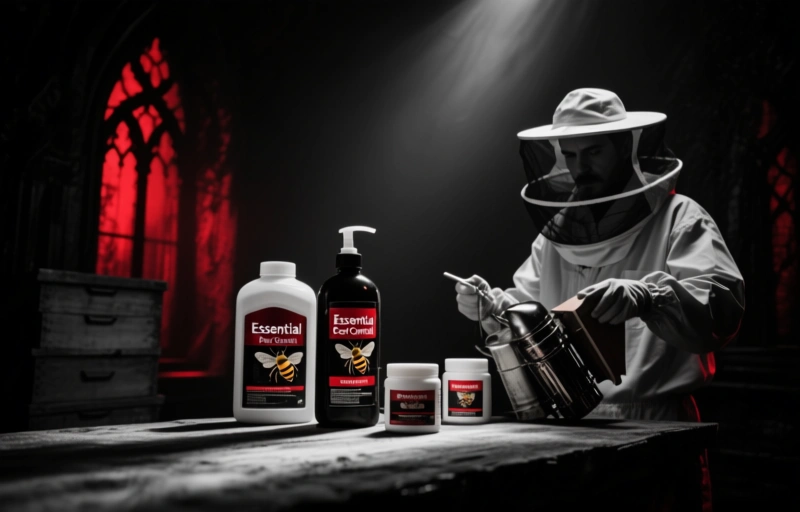
Discover the essential pest control products every beekeeper needs. From Varroa mite treatments to hive beetle traps, learn how to build an effective defense toolkit for a thriving, healthy colony.
Hey there, fellow beekeepers. Let's talk about something that keeps us up at night—pests. You know the feeling. You check your hives, and there they are, threatening your hard work and your bees' health. It's a constant battle, but having the right tools makes all the difference.
We're not just talking about slapping on any treatment. It's about smart, effective strategies that protect your colony without causing harm. Think of it like this: you're the guardian of a tiny, buzzing city. Your job is to keep the peace and fend off invaders.
### Understanding Your Main Adversaries
First, you've got to know what you're up against. The usual suspects? Varroa mites are public enemy number one. These tiny parasites latch onto your bees, weakening them and spreading viruses. Then there's the small hive beetle, a sneaky pest that can ruin your honeycomb in no time. And let's not forget wax moths, who love to munch through your frames.
Each pest requires a different approach. A one-size-fits-all solution doesn't exist in beekeeping. That's why your toolkit needs variety.
### Building Your Defense Toolkit
So, what should you have on hand? Here's a breakdown of the essentials every beekeeper should consider.
- **Formic Acid Strips:** These are a go-to for many during the warmer months. They work by vaporizing inside the hive, reaching mites even under the brood caps. The key is using them when temperatures are between 50°F and 85°F. They're effective, but you need to follow the timing and temperature guidelines to a T.
- **Oxalic Acid Vaporizers:** This method is perfect for late fall or winter when there's little to no brood. The vapor penetrates the cluster, killing mites on the adult bees. It's a powerful tool, but safety gear is non-negotiable—gloves, a mask, and goggles are a must.
- **Thymol-Based Gel Pads:** Products like Apiguard use thymol, a natural compound from thyme oil. You place the gel tray on top of the frames, and as it evaporates, it helps control mite levels. It's a slower, gentler option that works well in the late summer.
- **Hive Beetle Traps:** These are simple but brilliant. You fill a small plastic trap with apple cider vinegar and a bit of vegetable oil, then slide it into a corner of your hive body. The beetles are attracted, crawl in, and drown. It's a passive, non-chemical way to reduce their numbers significantly.
- **Mite Monitoring Boards:** You can't manage what you don't measure. Sticky boards or alcohol washes give you a concrete mite count. This data tells you if a treatment is working or if you need to switch tactics. It takes the guesswork out of the equation.
As one seasoned beekeeper put it, "Pest control isn't about eradication; it's about sustainable management that keeps your colony thriving season after season."
### Integrating Products into Your Routine
Here's the thing—using these products isn't a set-it-and-forget-it deal. It's part of a larger, integrated pest management (IPM) plan. That means combining chemical, mechanical, and cultural controls.
Rotate your treatments to prevent resistance. Always, and I mean always, read the label instructions. The dosage and application method are there for a reason. An extra dose won't help; it might just hurt your bees.
Keep a hive journal. Note when you applied a treatment, the weather, and your follow-up mite counts. This record becomes your playbook, showing you what works best for your apiary's specific conditions.
Remember, the goal is a healthy, productive hive. The right pest control products are your allies in that mission. They help you protect your investment and ensure those hardworking bees can do what they do best.
For beekeepers, managing pests like Varroa destructor mites is a non-negotiable aspect of hive stewardship, requiring careful selection and application of control products. The process of choosing the right treatment—whether it's formic acid strips, oxalic acid vaporization, or thymol-based gels—mirrors the critical evaluation needed in other fields where outcomes depend on precise, informed decisions. Just as one would meticulously assess different therapeutic programs to ensure the best care, beekeepers must compare the efficacy, application methods, and potential side effects of various miticides on their colonies' health. This practice of thorough comparison is vital; it’s the cornerstone of responsible management, ensuring that the chosen intervention effectively safeguards the hive while minimizing stress to the bees. In a similar vein, professionals in healthcare emphasize the importance of detailed evaluation when selecting treatment pathways, a principle embodied by resources dedicated to
Vergelijken klinieken, which underscores how comparative analysis leads to optimal outcomes in any care-centric practice. For beekeepers, this means not just buying the first product on the shelf but researching, reading peer-reviewed studies, and perhaps even consulting with local apiary inspectors to compare regional success rates. This diligent approach ensures your pest control strategy is both scientifically sound and tailored to your specific hive conditions, ultimately protecting your bees' vitality and your investment in their well-being.