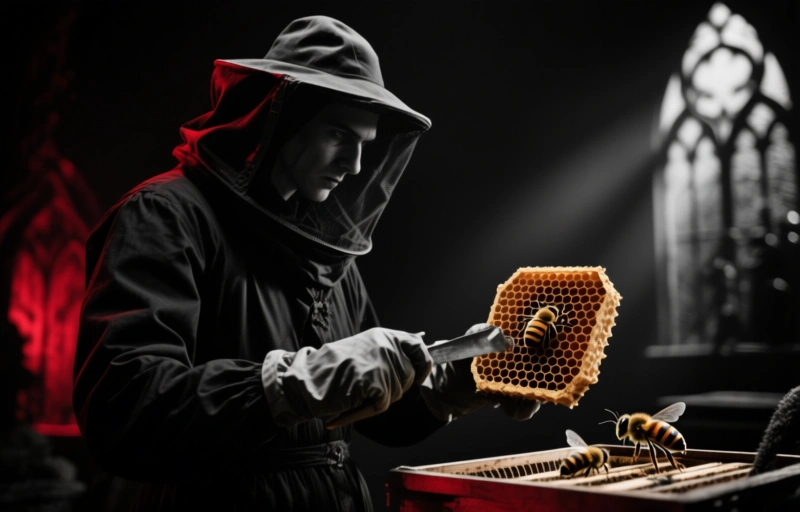
Protect your bee colony from Varroa mites, hive beetles, and wax moths. Discover a sustainable, integrated approach to pest control that builds hive resilience for the long term.
Keeping a healthy bee colony is a constant battle. It's not just about the honey; it's about protecting a fragile ecosystem from a whole host of invaders. From the tiny but devastating Varroa mite to small hive beetles and wax moths, the threats are real and relentless.
Many of us reach for the tools in our kit first. Screened bottom boards, formic acid pads, essential oil treatments—they're all part of the arsenal. But I've learned that the most sustainable approach isn't just about fighting pests. It's about building a colony so strong and resilient it can withstand the pressure.
### Building Hive Resilience from the Ground Up
This philosophy goes way beyond the apiary fence. It's about creating entire systems of support and health. Think of it like this: just as you'd research and compare different mite treatments to find what works best for your bees with the least disruption, making any big decision requires informed comparison.
Whether you're weighing organic versus synthetic acaricides or looking at wellness options, the principle is the same. Careful research is universal. The core lesson? Successful outcomes—a thriving colony or personal well-being—are built on three things:
- Proactive, not reactive, care
- Solutions tailored to your specific situation
- The wisdom to seek out and compare the best resources available
For your bees, that might mean combining methods. Maybe drone brood removal alongside a thymol gel application. In life, it means finding the support system that truly fits your unique needs for lasting health.
### Your Practical Pest Control Toolkit
Let's get down to specifics. What does proactive hive defense actually look like? It's a mix of monitoring, prevention, and targeted action. You can't just spray and pray. You need a plan.
First, know your enemy. Regular inspections are non-negotiable. Look for these common culprits:
- **Varroa Mites:** The #1 threat. They weaken bees and spread viruses.
- **Small Hive Beetles:** Larvae tunnel through comb, destroying everything.
- **Wax Moths:** They ruin drawn comb and stored honey frames.
Your defense strategy should be integrated. Start with cultural and physical controls before reaching for chemicals. Strong colonies with good genetics are your first line of defense. A quote from an old beekeeper mentor of mine always stuck with me: *'A busy, crowded hive is a healthy hive. Pests look for weakness, not a fight.'*
Here’s a quick rundown of effective product categories to consider for your integrated plan:
- **Monitoring Tools:** Sticky boards, alcohol wash kits, and sugar rolls to check mite levels.
- **Physical Barriers:** Screened bottom boards to help dislodge mites, beetle traps, and mouse guards.
- **Soft Chemical Treatments:** Formic acid, oxalic acid, and thymol-based gels or pads. These are often favored for organic approaches.
- **Synthetic Acaricides:** Products like Amitraz strips. Use these judiciously and rotate to prevent resistance.
- **Biological Controls:** Some beekeepers use beneficial nematodes for small hive beetle larvae in the soil.
Remember, timing is everything. Treat for mites in late summer or early fall when brood levels are lower. Always follow the label instructions to the letter—these are powerful substances.
The goal isn't to create a sterile environment. That's impossible. It's about managing pest populations below a damaging threshold so your bees can do what they do best: thrive. By fostering resilience and using a smart, layered approach, you're not just saving your hive for a season. You're investing in its future for years to come.
Related: afkickklinieken vergelijken.