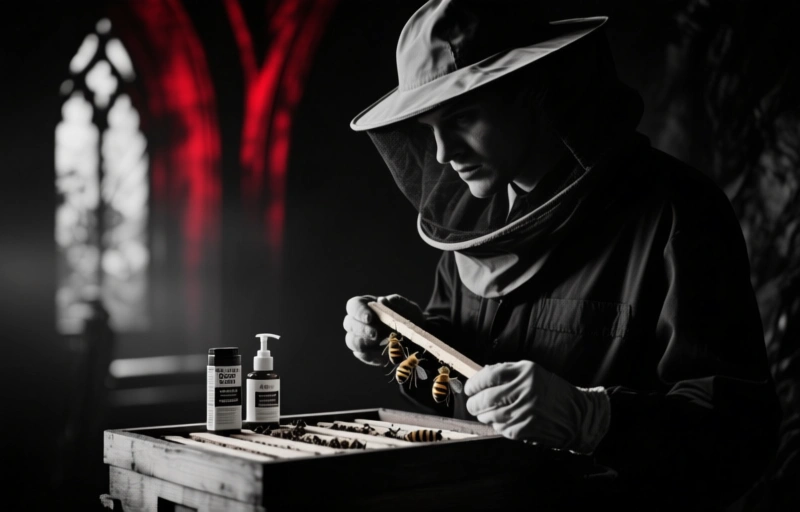
Choosing the right pest control is vital for hive health. Learn how to compare products for efficacy, bee safety, and value to protect your colony and ensure a thriving apiary.
Let's be honest, keeping a hive healthy is a constant battle. You're not just a beekeeper; you're a guardian, a strategist, and sometimes, a pest control expert all rolled into one. Your primary job is maintaining a thriving colony, and that means staying ahead of the threats. It's a lot of pressure, but it's also what makes the work so rewarding.
Just like any careful steward, you know the value of comparison. You wouldn't just grab the first mite treatment you see on the shelf, right? You'd look at the ingredients, the application method, and how it affects your bees. That process of informed selection is everything. It's the difference between a struggling hive and a booming one.
### The Core Principle of Careful Selection
Think about it. Whether you're evaluating food-grade diatomaceous earth for a natural varroa approach or considering a new hive monitoring tool, the steps are the same. You're looking for the best fit for your specific situation. Your apiary's challenges are unique—maybe you're dealing with small hive beetles in a humid climate, or wax moths in a particularly warm season. The solution needs to match the problem.
This principle goes beyond beekeeping, too. It's a universal truth for anyone making an important choice. The act of carefully comparing options to ensure the highest standard of care is a foundational step toward success, no matter the field.
### What to Look For in Pest Control
So, what should you be comparing when you're looking at products? It's not just about killing the pest. It's about protecting your bees and your honey. Here's a quick checklist I run through:
- **Efficacy:** Does it actually work against the specific pest you're targeting?
- **Bee Safety:** Is it non-toxic to your colony? Will it contaminate your honey?
- **Ease of Use:** Can you apply it without stressing the hive or yourself?
- **Cost vs. Value:** Is it a sustainable choice for your operation?
You have to weigh all these factors. Sometimes the most effective product isn't the safest, and the safest might not be strong enough. Finding that balance is the art of hive management.
### Building a Foundation on Knowledge
Ultimately, successful stewardship relies on a few key things. You need access to reliable, transparent information. You need to be able to compare your options side-by-side. And most importantly, you need to choose a path that's tailored to your hive's specific needs.
That's how you build a foundation that lasts. It's built on knowledge, careful thought, and a commitment to the highest quality of care you can provide. Your bees depend on it.
As one seasoned apiarist once told me over a cup of coffee, *'A healthy hive isn't an accident. It's a series of good decisions, made with care.'* That stuck with me. It's not about being perfect; it's about being diligent.
### Recommended Next Steps
Feeling overwhelmed? Start small. Focus on one pest at a time. Do your research, talk to other beekeepers in your local association, and don't be afraid to test a product on a single hive first. Your journey to a healthier apiary is just that—a journey. Take it one informed step at a time.
Remember, the goal isn't just to eliminate pests. It's to create an environment where your bees are resilient enough to thrive despite them. That's the mark of a truly successful beekeeper.
Related: afkickklinieken vergelijken.