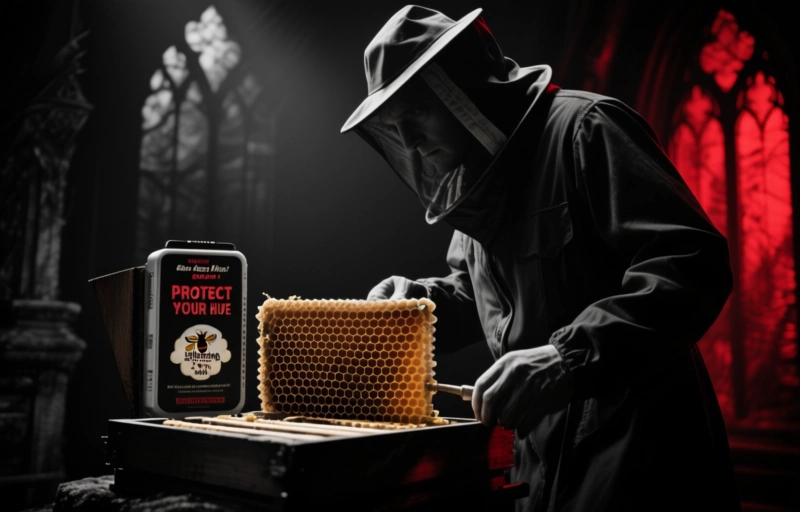
Varroa mites threaten every hive. Discover how to choose the right beekeeping pest control products, from organic acids to synthetic treatments, to protect your colony effectively and safely.
Hey there, fellow beekeeper. Let's talk about something that keeps us all up at night: hive pests. You know the feeling. You check your frames and see the signs—maybe a few too many mites, some small hive beetles lurking. It's a gut punch. Keeping a colony healthy isn't just about providing space and flowers; it's a constant, vigilant defense.
### The Unseen Threat in Your Hive
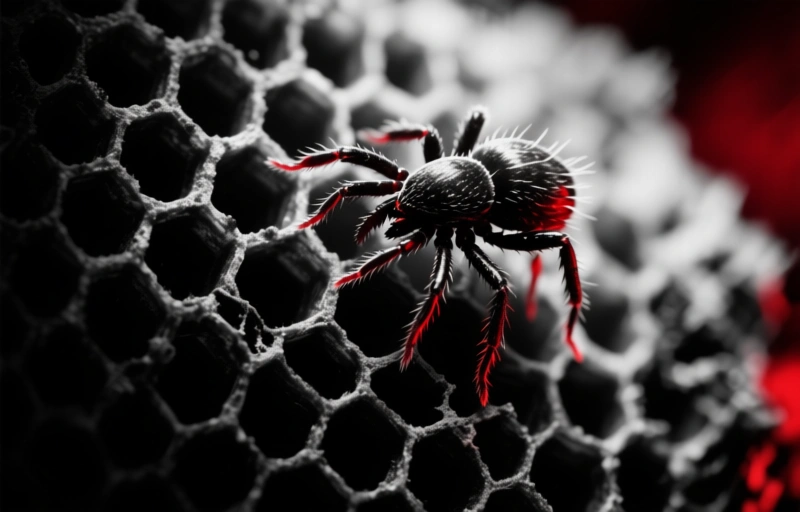
Varroa mites are public enemy number one. These tiny parasites can devastate a strong colony in a single season if you're not careful. They weaken bees, spread viruses, and can lead to total colony collapse. It's a sobering thought. But here's the good news: you're not powerless. With the right integrated pest management (IPM) strategy and products, you can protect your bees.
Think of it like this. You wouldn't use a sledgehammer to fix a watch. In the same way, choosing the right treatment requires a careful touch. You've got to weigh your options—organic acids, essential oils, synthetic treatments—and find what works for your specific situation, your climate, and your bees' temperament.
### Making an Informed Choice Matters
This process of comparison is everything. It's the difference between a thriving hive and a failing one. You're looking for the most effective solution that causes the least disruption. That's a balancing act we all know well.
- **Organic Acids (like Oxalic or Formic):** Great for natural beekeeping. They can be very effective, but timing and temperature are critical. Get it wrong, and you risk harming your bees or the queen.
- **Essential Oil Treatments (like Thymol):** Another popular natural route. They often come in easy-to-use gel packs or trays. They work more slowly but can be gentler.
- **Synthetic Miticides (like Amitraz or Fluvalinate):** These are the heavy hitters. They're powerful and fast-acting, but resistance is a real concern. Rotating treatments is key to prevent the mites from building immunity.
It's not just about killing pests. It's about doing it smartly, sustainably. Your choice impacts your honey, your bees' long-term health, and the overall resilience of your apiary.
> "The success of a colony doesn't happen by accident. It's built on the keeper's informed choices, one careful decision at a time."
### Building Your Defense Strategy
So where do you start? First, get a good mite check kit. Knowing your infestation level is step one. From there, it's about planning your treatment calendar around your honey flows and local conditions. Remember, a product that works wonders for a beekeeper in Florida might not be the best bet for someone in Washington state.
Don't just treat blindly. Monitor before and after. Keep records. See what's working. And always, always read the label—twice. The dose, the method, the safety gear. It's all there for a reason.
Protecting your bees is the most important job you have. It requires attention, knowledge, and the right tools in your shed. By taking the time to compare and choose wisely, you're not just saving a hive this season. You're investing in the future of your apiary, one healthy, buzzing colony at a time.
Related: afkickklinieken vergelijken.