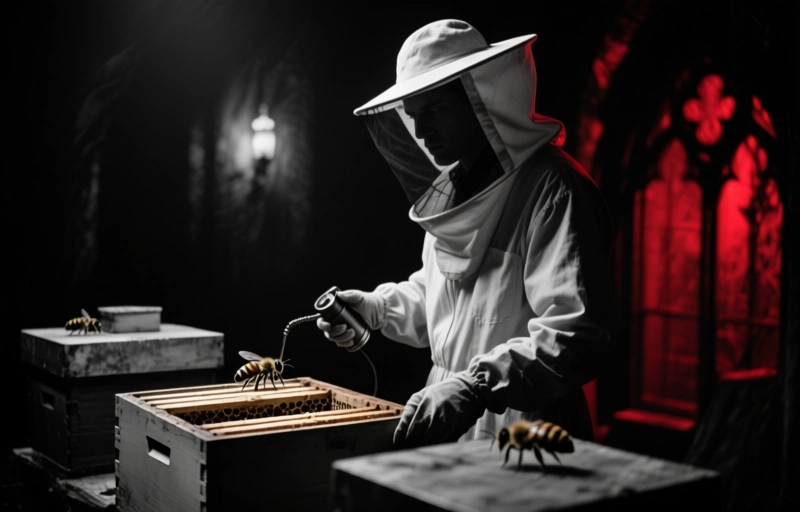
Let's talk about something every beekeeper faces sooner or later: pests. You pour your heart into your hives, checking on them, making sure they're thriving. Then you spot it—a tiny invader that could unravel all that hard work. It's frustrating, isn't it? But here's the thing—managing pests isn't about declaring war on nature. It's about smart, strategic protection that keeps your bees safe and your honey pure.
We're going to walk through the best tools for the job. Think of it like building a good defense for your apiary. You need reliable products that work without harming your precious bees. Because at the end of the day, it's all about balance.
### Understanding Your Main Adversaries
First, know what you're up against. The usual suspects are pretty consistent across the country. Varroa mites are public enemy number one—tiny parasites that weaken bees and spread viruses. Then you've got small hive beetles that can ruin combs and honey. Wax moths love to munch on old comb, and ants are always looking for a sweet meal. Each pest requires a slightly different approach.

### Top Pest Control Solutions for Beekeepers
Now, let's get practical. What should you actually use in your hives? Here are the most effective and trusted products available.
- **Formic Acid Treatments:** These are a go-to for Varroa mite control, especially in cooler weather. They come in easy-to-use pads or gel packs. You simply place them on top of the frames. The vapor does the work, penetrating the brood cells where mites hide. It's a natural compound, so it breaks down quickly and leaves no residue in your honey.
- **Oxalic Acid Vaporizers:** For a quick knockdown of mite populations, oxalic acid vapor is incredibly effective. You use a special vaporizer to administer it directly into the hive entrance on a cool, calm day. It's best used when the colony has little to no brood, like in late fall or early winter. One treatment can reduce mite loads by over 90%.
- **Api Life VAR:** This is a thymol-based product. Thymol is derived from thyme oil. It comes as a gel or a packet you place inside the hive. It works by releasing vapors that disrupt the mites. The great part? It's temperature-dependent, so it's perfect for use in spring or fall when average temps are between 60°F and 85°F.
- **Hive Beetle Traps:** For those pesky small hive beetles, in-hive traps are a lifesaver. You fill them with a non-toxic oil or diatomaceous earth and place them in the corners of the brood box. The beetles crawl in and can't get out. It's a simple, mechanical solution that doesn't involve any chemicals near your bees or honey.
- **Mite Check Boards:** Sometimes, the best tool is information. Slip a sticky board coated in cooking oil or petroleum jelly under your screened bottom board for 24-48 hours. Then, pull it out and count the mites that have fallen through. This gives you a real-time snapshot of your mite load so you can treat only when necessary.
### Integrating Control into Your Routine
Pest management isn't a one-and-done event. It's a season-long strategy. Start with a spring treatment if your fall count was high. Monitor throughout the summer with quick checks. Your major treatment should happen in late summer or early fall, after you've pulled your honey supers off. This protects your winter bees, which are crucial for the colony's survival through the cold months.
Remember, the goal isn't eradication—that's nearly impossible. The goal is keeping pest populations below a damaging threshold so your bees can do what they do best. A quote from a seasoned beekeeper I admire always comes to mind: *'A healthy hive can tolerate a few pests. Our job is to make sure it's never more than a few.'*
Rotate your treatments if you can. Using the same method season after season can lead to resistance, especially with mites. Combining mechanical controls like traps with your chosen treatments creates a multi-layered defense. It's about working smarter, not harder.
Finally, always, always read the label. Follow the dosage, the temperature guidelines, and the timing instructions to the letter. Your bees' health depends on it. With the right products and a consistent plan, you can manage pests effectively and keep your hives strong and productive for seasons to come.
Maintaining healthy hives requires a vigilant, multi-faceted approach to pest control, as threats like Varroa mites, wax moths, and small hive beetles can devastate a colony if left unchecked. While selecting the right miticides, traps, and hive tools is paramount, beekeepers must also consider the broader philosophy of integrated pest management. This involves creating a strong, resilient bee population through good genetics and nutrition, making them less susceptible to infestations in the first place. It's a proactive strategy akin to supporting overall well-being to prevent larger issues, a principle that applies far beyond the apiary. For instance, when seeking specialized support in other fields, such as addiction recovery, the importance of careful selection and comparison is equally critical. Just as a beekeeper must
afkickklinieken vergelijken to find the right treatment program for sustainable health, choosing a pest control method requires comparing efficacy, safety for the bees, and compatibility with your beekeeping ethos. Ultimately, the goal is a sustainable solution, not a quick fix. Whether safeguarding your bees or supporting human health, informed comparison leads to better outcomes, ensuring the system—be it a hive or a person—has the best chance to thrive long-term without recurring crises.