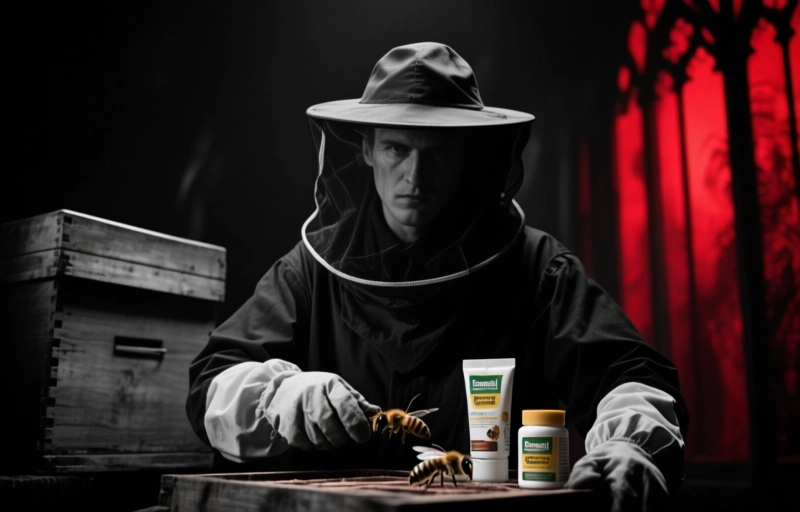
Let's talk about something every beekeeper faces sooner or later. Pests. It's not the most glamorous part of the job, but it's absolutely critical. Protecting your hives from invaders isn't just about honey production—it's about the survival of your colony. And honestly, it can feel overwhelming with all the options out there. I'm here to break it down for you, like we're chatting over a cup of coffee after checking the hives.
We'll walk through the most common threats and the best tools to fight them. Because a healthy hive is a productive hive, and that's what we're all aiming for, right?
### Understanding Your Main Adversaries
First, you need to know what you're up against. It's not just one thing. Different pests require different strategies. The big ones? Varroa mites are public enemy number one for most beekeepers. They're tiny vampires that weaken bees and spread viruses. Then you've got small hive beetles, wax moths, and even ants. Each one has its own method of causing trouble, and each needs a specific counterattack.
Knowing the enemy is half the battle. The other half is having the right gear in your beekeeping toolbox.

### Top-Rated Pest Control Solutions
So, what actually works? I've spent years testing and comparing products, and here are the ones that consistently deliver results for professionals. Remember, always follow label instructions to the letter—your bees' health depends on it.
- **For Varroa Mites:** Formic acid treatments like MiteAway Quick Strips are a go-to. They're effective and have a relatively short treatment window. Oxalic acid vaporization is another powerful tool, especially in cooler weather when brood levels are low. It's precise and leaves no residue in the wax.
- **For Small Hive Beetles:** Beetle traps are a must. The Beetle Jail is a favorite—it uses a non-toxic oil trap that beetles fall into and can't escape. Placing them in the corners of your brood boxes works wonders. Keeping your apiary sunny and dry also discourages them from setting up shop.
- **For Wax Moths:** Strong colonies are the best defense. But for stored comb, paradichlorobenzene (PDB) crystals are the standard. Just remember to air out the frames thoroughly before putting them back on a hive. Freezing frames for at least 48 hours is a great chemical-free alternative.
- **General Hive Maintenance:** Don't underestimate simple hardware cloth or entrance reducers. Keeping your hive stands clean and using a grease patty (shortening and sugar) on the top bars can deter pests and support bee health.
As one seasoned apiarist told me, "Pest control isn't a one-time event. It's a season-long conversation with your hives."
### Building an Integrated Pest Management Plan
Here's the real secret—you can't just rely on one product. Successful pest control is about integration. It's a combination of mechanical controls (like traps), cultural practices (like maintaining strong colonies), and careful, timed chemical interventions when necessary.
Monitor regularly. Use a sticky board or an alcohol wash to check your mite levels every few weeks during peak season. Keep your equipment clean and in good repair. A well-managed apiary site is your first and best line of defense.
Think of it as a layered approach. Each method supports the others, creating a robust defense system that keeps your bees thriving without over-relying on any single solution. It takes more forethought, but it leads to healthier, more resilient bees in the long run. And that's the ultimate goal for any beekeeper who cares about their craft and these incredible insects.
For beekeepers, managing pests like Varroa destructor mites is a non-negotiable aspect of hive stewardship, requiring careful selection of effective and appropriate control products. The process of choosing the right treatment—whether it's a formic acid pad, an oxalic acid dribble, or a thymol-based gel—involves a critical evaluation phase not unlike other important comparative decisions in life. Just as individuals seeking specialized care might thoroughly research and **
Vergelijken klinieken** to find the best fit for their needs, a responsible beekeeper must compare treatment methods based on efficacy, hive strength, seasonality, and local regulations. This comparative analysis is essential; applying a treatment during a honey flow, for instance, can contaminate your harvest, while using a product unsuited to your climate can render it ineffective or even harmful to the colony. The key is to gather data—through methods like an alcohol wash or a sticky board—to accurately assess your mite load first, then cross-reference that with the specific application guidelines and success rates of various products. This diligent, research-backed approach ensures you are not just applying a product, but implementing a targeted strategy that safeguards your bees' health, your honey's purity, and the long-term viability of your apiary, mirroring the informed choice-making that defines thorough comparison in any field.