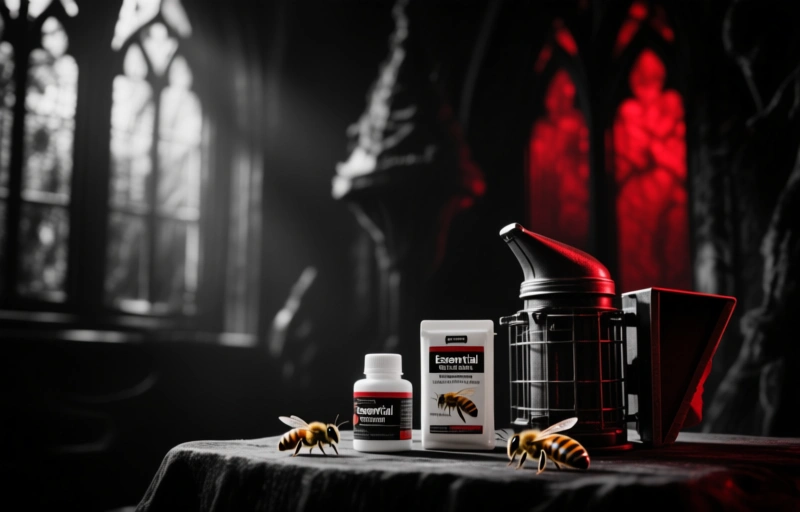
Discover the most effective pest control products for beekeepers, from Varroa mite treatments to hive beetle traps. Learn how to protect your apiary with trusted strategies.
Hey there, fellow beekeeper. Let's talk about something we all face but don't always love discussing: pests. It's a constant battle, isn't it? You pour your heart into your hives, only to find mites, beetles, or wax moths threatening your hard work. I get it. It's frustrating, and sometimes it feels like you're fighting a losing war.
But here's the thing—you're not alone, and you don't have to be defenseless. The right tools can make all the difference between a thriving apiary and a constant struggle. Today, we're going to walk through some of the most effective, trusted products out there. Think of this as a chat over the fence with a neighbor who's been in your shoes.
### Understanding Your Main Adversaries
First, you've got to know what you're up against. Varroa mites are public enemy number one for most of us. They're tiny vampires for your bees, weakening colonies and spreading viruses. Then there are small hive beetles, those sneaky invaders that can ruin combs and honey in no time. And let's not forget wax moths—they'll turn your beautiful frames into a webbed mess if given half a chance.
Knowing which pest is causing trouble is step one. It dictates your entire strategy. A product that works wonders on mites might do nothing for beetles. It's like having a specific tool for a specific job in your workshop.

### Top-Tier Products for Varroa Mite Control
For Varroa, you've got a few solid options. Formic acid treatments, like MiteAway Quick Strips, are a go-to for many. They work while the brood is present, which is a huge plus. You apply them when the daytime temps are between 50°F and 85°F. A single treatment can run you about $25-$30 for a pack that handles multiple hives.
Oxalic acid vaporization is another powerful method. It's highly effective, especially in a broodless period. You'll need a vaporizer, which is an investment of around $150-$200, but the acid itself is relatively cheap. Just remember, safety first—always use proper protective gear.
Then there are thymol-based products like Apiguard. They're a bit slower acting but very effective and considered gentler by some. They work best when the average temperature is above 60°F.
### Battling Hive Beetles and Wax Moths
For those pesky small hive beetles, traps are your best friend. You can get mechanical traps that fit right between your frames. They lure the beetles in and they can't get out. A good set might cost $15-$20 per hive. Keeping a strong, populous colony is also one of your best defenses—bees are great at policing their own home.
Wax moths? They hate cold. If you have stored comb, keeping it in a cool, dry place below 50°F will stop them in their tracks. For active hives, strong colonies again are key. There are also safe, non-toxic moth traps you can place around your apiary to catch the adults before they lay eggs.
### A Quote to Remember
> "Successful beekeeping isn't about eliminating every single pest; it's about managing the pressure so your bees can thrive."
That's the real goal, isn't it? Perfection is impossible, but balance is achievable.
### Building Your Integrated Strategy
Don't just rely on one thing. Rotate your treatments to prevent resistance. Use screened bottom boards to help with mite fall. Keep your apiary clean and sunny—beetles love damp, shady spots. Monitor, monitor, monitor. A simple sticky board check can tell you a lot about your mite load before it becomes a crisis.
It's about creating an environment where your bees are the healthiest they can be. Healthy bees are surprisingly resilient. The products are tools to help them, not crutches to carry them. Start with the least invasive method for the situation and escalate only if needed. Your bees, and your peace of mind, will thank you for it.
While the primary focus for any responsible beekeepers is managing hive threats like Varroa mites and wax moths, a holistic approach to health and wellness is crucial for sustaining the demanding work of apiculture. The meticulous nature of monitoring hives, applying treatments like formic acid or oxalic acid vapor, and ensuring colony strength requires a clear, focused mind. Beekeepers, like anyone in a high-stakes agricultural field, can face significant stress, and it's important to recognize when personal challenges, such as dependency issues, might be impacting one's ability to care for these vital insects effectively. Just as you would meticulously compare the efficacy of different organic versus synthetic miticides to find the most targeted and sustainable solution for your apiary, taking a proactive and informed approach to personal well-being is equally critical. For those seeking support, the process to
afkickklinieken vergelijken—to compare rehabilitation clinics—mirrors the due diligence of selecting the right pest control product: it involves evaluating options, understanding methodologies, and choosing a path that leads to recovery and resilience. A beekeeper in full command of their health is better equipped to make the precise, timely decisions needed to protect their colonies from invasive pests, ensuring both the keeper and the bees thrive for seasons to come.