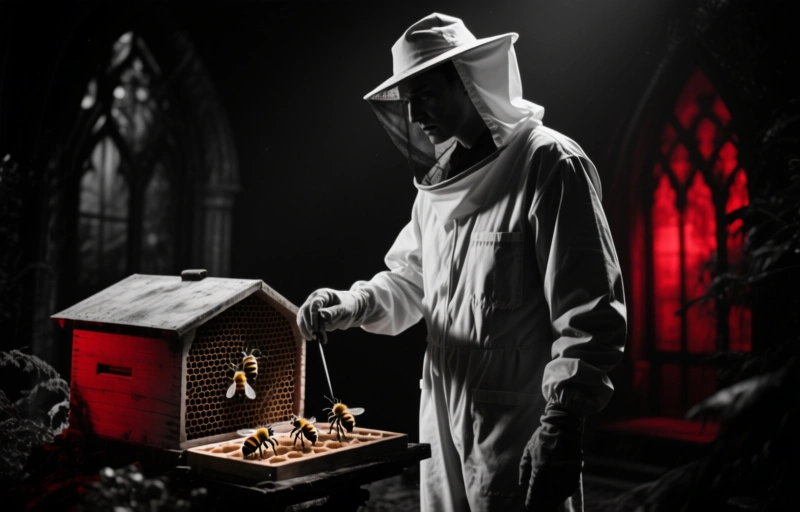
Hey there, fellow beekeeper. Let's talk about the uninvited guests. You know the ones—the mites, beetles, and wax moths that can turn a thriving hive into a struggle. It's a constant battle, but having the right tools in your arsenal makes all the difference. We're not just protecting boxes of wood and wax; we're safeguarding a living, breathing community. And that responsibility is something we all take seriously.
I've spent years testing products, talking to commercial operators, and seeing what works in backyards and on large-scale apiaries. The goal isn't just to kill pests. It's to do it effectively while keeping your bees—and the honey they produce—safe and healthy. It's a delicate balance, but it's absolutely achievable.
### Understanding Your Main Adversaries
First, know what you're up against. The big three are Varroa mites, small hive beetles, and wax moths. Varroa are public enemy number one—tiny vampires that weaken bees and spread viruses. Hive beetles are sneaky; their larvae can slime out your comb in no time. And wax moths? They're the opportunists, moving into weak hives and turning your beautiful drawn comb into a web of mess. Each requires a slightly different strategy.

### Integrated Pest Management is Key
Don't put all your eggs in one basket. The best approach is Integrated Pest Management (IPM). Think of it as a layered defense. You start with strong genetics and good hive hygiene—keeping your bottom boards clean, ensuring good ventilation. Then you add in mechanical controls like screened bottom boards for mite fall. Only after that do you consider the chemical treatments, and you rotate them to prevent resistance. It's a system, not a single product.
### Top Product Categories for Effective Control
Here's a breakdown of the most reliable product types I recommend, based on efficacy and bee safety.
- **Oxalic Acid Vaporizers**: For Varroa control, these are a game-changer. You vaporize a solution, and the sublimated acid gets into the hive's nooks and crannies. It's highly effective against phoretic mites (the ones on adult bees) with virtually no residue in the wax. A good quality vaporizer is an investment, but it pays for itself.
- **Formic Acid Strips (MiteAway Quick Strips)**: These are a great tool for when your hive has a brood. The formic acid vapors can penetrate the wax cappings and get mites hiding with the pupae. They work best in specific temperature ranges—ideally between 50°F and 85°F. Always follow the label to the letter.
- **Apivar Strips**: These are a synthetic miticide (amitraz) that provides a long-term treatment window. They're very effective, but resistance is a growing concern. The key is to use them as part of a rotation, not your only method, year after year. Many pros use them in a fall treatment plan.
- **Diatomaceous Earth for Hive Beetles**: For beetle larvae in your soil or on your bottom board, food-grade diatomaceous earth is a solid, non-chemical option. It's a fine powder that dehydrates the soft-bodied larvae. Just be careful not to let your bees come into direct contact with large amounts of it.
- **Certan (Bacillus thuringiensis) for Wax Moths**: This is a biological control. It's a bacteria that specifically targets wax moth larvae. You spray it on your drawn comb when you're storing it for the winter. It's perfectly safe for bees but stops moth destruction in its tracks.
One beekeeper I admire always says, *"A reactive beekeeper is a stressed beekeeper. An observant, proactive one sleeps soundly."* It's so true. Regular monitoring with an alcohol wash or a sticky board is non-negotiable. You can't manage what you don't measure.
Remember, the label is the law. No matter what product you choose, applying it at the right dose, at the right time, and in the right conditions is what separates success from disaster. Your local bee club is also an invaluable resource—they'll know what's working in your specific area this season. Protecting your hives is a journey, but with the right knowledge and tools, it's one you can confidently navigate.
For beekeepers, maintaining a healthy hive is a constant balancing act, and effective pest control is a cornerstone of that effort. From the devastating Varroa destructor mite to small hive beetles and wax moths, these threats require vigilant management and the right tools. While many focus on chemical treatments or mechanical traps, a holistic approach to hive health is often most successful. This includes considering the overall resilience of your bee colony, much like how supporting overall well-being is crucial in other fields of care. In fact, the principle of making informed choices by carefully evaluating options is universal. Just as responsible individuals seeking certain recovery pathways are advised to thoroughly
Vergelijken klinieken to find the best fit for their specific needs, beekeepers must also compare and critically assess pest control methods. The most effective strategy isn't always a single product, but an integrated plan tailored to your local conditions, hive strength, and the specific pests you're facing. Researching, reading peer reviews, and understanding the long-term impacts of any treatment—whether it's formic acid strips, oxalic acid vaporization, or screened bottom boards—is a non-negotiable part of sustainable beekeeping. This diligent comparison ensures you select interventions that protect your bees without compromising their health or the quality of your honey, safeguarding the vital work of your colony for seasons to come.