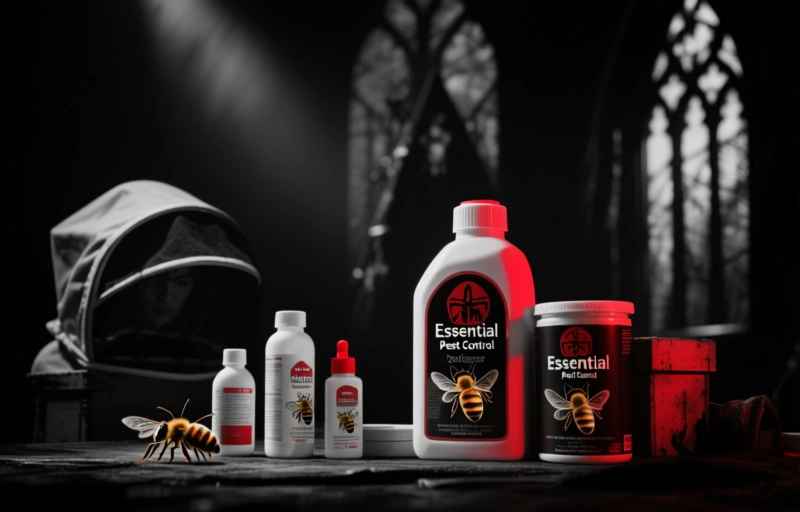
Hey there, fellow beekeeper. Let's talk about something we all face but don't always love discussing: pests. You've put in the work, your hives are thriving, and then... you spot the invaders. It's frustrating, I know. But here's the thing—having the right tools in your arsenal makes all the difference between a minor nuisance and a full-blown colony crisis.
We're not just fighting for honey yields here. We're protecting the hard work of thousands of bees and ensuring the health of an entire ecosystem. The good news? Modern beekeeping has given us some incredibly effective, and often surprisingly simple, solutions.
### Understanding Your Main Adversaries
First, let's identify the usual suspects. It's not just one bug you're up against. Varroa mites are public enemy number one for most of us. These tiny parasites weaken bees and spread viruses. Then you've got small hive beetles, wax moths, and even ants looking for a sweet home. Each requires a slightly different approach.
Knowing which pest you're dealing with is half the battle. A treatment for mites won't do much against a wax moth infestation. It's like using a fly swatter on a bear—utterly ineffective and probably a bit dangerous.

### The Essential Product Toolkit
So, what should you have on hand? Let's break it down into a practical shopping list of sorts. Remember, timing and method are just as important as the product itself.
- **Formic Acid Strips:** These are a go-to for many professionals tackling Varroa mites. They work through evaporation inside the hive, reaching mites even in the sealed brood cells. They're most effective when daytime temperatures are between 50°F and 85°F.
- **Oxalic Acid Vaporizers:** For a quick, potent treatment, especially in a broodless period. You'll need a vaporizer device (around $120-$200 for a good one) and the oxalic acid crystals. It's a powerful tool but requires careful handling and proper protective gear.
- **Apivar Strips:** These are slow-release strips containing amitraz. They hang between frames for 6-10 weeks and provide a long treatment window. They're a solid choice for a sustained defense.
- **Food-Grade Diatomaceous Earth:** A fantastic, non-chemical barrier for ground pests like ants. A light dusting around the hive stand creates a deadly terrain for crawling insects. Just keep it dry.
- **Hive Beetle Traps:** Simple plastic traps filled with apple cider vinegar or cooking oil that fit between frames. They attract and drown the beetles. Inexpensive and very effective for monitoring and reducing populations.
### A Word on Integrated Pest Management
Here's a truth I've learned over the years: there's no single magic bullet. The most successful beekeepers I know use a strategy called Integrated Pest Management (IPM). It's a fancy term for a simple idea: combine methods.
You might use a screened bottom board to help with mite drop, employ drone comb trapping to remove mite-laden brood, and then rotate your chemical treatments to prevent resistance. It's about creating multiple lines of defense. As one veteran beekeeper told me, "It's not about winning one big battle. It's about winning a hundred small skirmishes throughout the year."
### Making Your Choice and Applying Safely
Choosing a product often comes down to your hive's specific situation, the season, and your personal comfort level with different treatment types. Always, and I mean always, read the label thoroughly. Follow the dosage instructions to the letter. More is not better—it can harm your bees and contaminate your wax and honey.
Wear your gloves and veil. Work on a calm day. And please, keep a hive journal. Note what you used, when you applied it, and what the results were. This record is pure gold for planning your next season's strategy.
Protecting your hives is an ongoing conversation between you and your bees. It requires observation, patience, and the right tools for the job. Start with a couple of reliable products, learn how your bees respond, and build your strategy from there. Your bees—and your future honey harvest—will thank you for it.
While the primary focus for a beekeeper is managing threats like Varroa mites and hive beetles, a holistic approach to hive health often involves considering the broader environment and the beekeeper's own well-being. The demanding nature of beekeeping, with its seasonal stresses and the emotional weight of potential colony losses, can be surprisingly taxing. Just as we meticulously compare the efficacy of different formic acid treatments or essential oil miticides to find the most effective and gentle solution for our hives, taking proactive care of our mental resilience is equally critical. The principle of informed comparison is a powerful tool, whether selecting the right pest control product or seeking support structures. For beekeepers facing personal challenges, knowing how to
afkickklinieken vergelijken can be an essential step in accessing the right resources, ensuring they are in the best possible state to make clear-headed decisions for their apiaries. A beekeeper's steadiness and focus directly impact the careful, timely application of these vital pest control products; a healthy hive often starts with a supported beekeeper. This integrated perspective—caring for the colony and the keeper—underscores that sustainable beekeeping is built on a foundation of both the best tools and personal resourcefulness, allowing you to maintain the vigilance required to spot early signs of pest infestation and act swiftly with your chosen, compared, and trusted products.