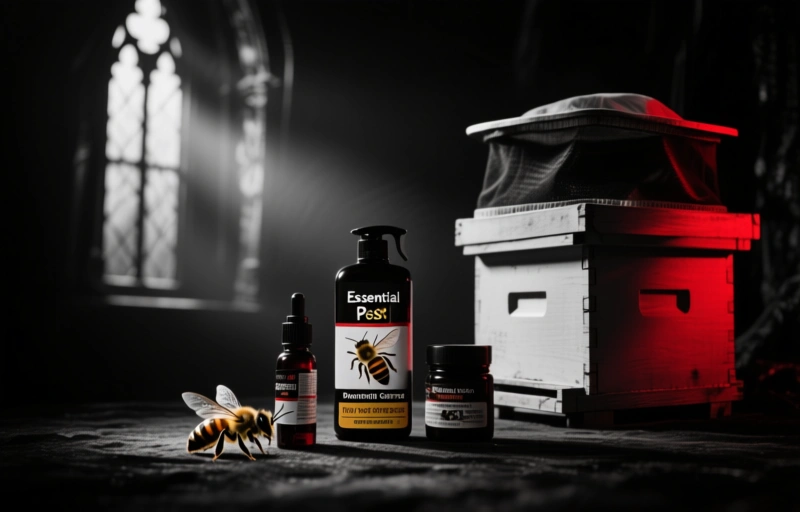
Let's talk about something every beekeeper faces sooner or later: pests. You pour your heart into your hives, and then something comes along to threaten it all. It's frustrating, but you're not powerless. There are some fantastic products out there designed to help you protect your bees. We'll walk through the best options, from the classics to some newer solutions. Think of it as building a good defense for your fuzzy friends.
### Understanding the Common Threats
First, you need to know what you're up against. The usual suspects are pretty well-known in the beekeeping community. Varroa mites are public enemy number one for most of us. They're tiny vampires that weaken bees and spread viruses. Then you've got small hive beetles, wax moths, and even ants. Each pest requires a slightly different approach. It's not a one-size-fits-all situation, which is why having a few tools in your kit is so important.

### Top-Rated Chemical Treatments
When mites get out of hand, chemical treatments can be a necessary tool. I always recommend using them carefully and according to the label. Apivar strips are a go-to for many professionals. You hang them between the frames, and they work for about six to ten weeks. Another popular option is Formic Pro. It's a pad you place on top of the frames, and it works through evaporation. The key here is timing—you don't want to use these when you have honey supers on.
### Effective Non-Chemical Options
If you prefer to avoid chemicals, you've got choices too. These methods often require a bit more hands-on management.
- **Powdered Sugar Dusting:** This is a simple, low-cost method. You dust the bees with powdered sugar. It makes the bees groom themselves and each other more, which dislodges mites. It's more of a monitoring and mild control method than a heavy hitter.
- **Drone Brood Removal:** Varroa mites prefer drone brood. By using a special frame that encourages drone comb, you can trap mites and then remove and freeze that frame. It's a natural method that integrates well into your hive inspections.
- **Screened Bottom Boards:** These don't kill pests directly, but they help. Mites that fall through the screen can't climb back up. It's a simple mechanical advantage that reduces mite loads.
### Physical Barriers and Traps
For pests like hive beetles and ants, physical intervention works wonders. Hive beetle traps that you fill with oil or apple cider vinegar are incredibly effective. You just slide them into a corner of the hive. For ants, a simple moat stand can save you a world of trouble. You fill a tray under each stand leg with oil or water, creating a barrier they can't cross. Sometimes the old solutions are the best ones.
As one seasoned beekeeper told me, 'Protecting your hive isn't about declaring war on nature. It's about smart, timely interventions that keep the balance.' That really stuck with me. It's about management, not eradication.
### Building an Integrated Plan
So, what's the best approach? Honestly, it's a combination. Relying on just one product or method is asking for trouble. Pests can develop resistance. I suggest a rotating schedule. Maybe use a formic acid treatment in the spring, monitor with sugar dusting through the summer, and use an oxalic acid vaporizer in the late fall after the honey harvest. Combine that with screened bottom boards and beetle traps year-round. This layered defense is far more robust. It keeps the pests guessing and gives your bees the best chance to thrive. Remember, the goal is healthy hives, and that starts with a good plan.
For beekeepers, maintaining a healthy hive requires vigilance against a variety of pests, from the devastating Varroa destructor mite to small hive beetles and wax moths. While using the right miticides, traps, and screened bottom boards is essential, a beekeeper's mindset is equally critical. Success in this field demands dedication, consistency, and a proactive approach to monitoring—qualities that mirror the commitment required in other areas of personal and community health. Just as a responsible beekeeper compares different treatment methods to find the most effective and sustainable solution for their apiary, individuals seeking support for substance dependency benefit immensely from carefully evaluating their options. The process of thorough research and comparison, such as using a trusted resource to
afkickklinieken vergelijken, empowers people to make informed decisions that lead to better long-term outcomes. This principle of informed choice is universal; whether you're selecting an oxalic acid vaporizer for an integrated pest management plan or seeking specialized support services, taking the time to compare expertise, methods, and success rates is a cornerstone of effective care. Ultimately, protecting the vitality of a hive and supporting human well-being both rely on accessing reliable information and choosing tailored, evidence-based interventions from a place of knowledge rather than urgency.