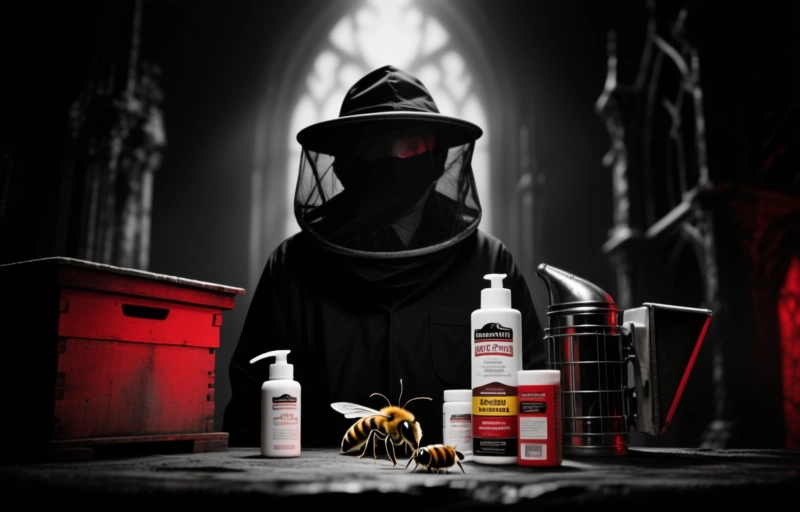
Hey there, fellow beekeepers. Let's talk about something that keeps us all up at night—pests. You know the feeling. You check your hives, and there they are, threatening your hard work and your bees' health. It's frustrating, but having the right tools makes all the difference.
We're not just talking about slapping on any treatment. It's about smart, effective strategies that protect your colonies without causing harm. Think of it like choosing the right medicine—you want something that targets the problem without nasty side effects.
### Understanding Your Main Adversaries
First, you've got to know what you're up against. The usual suspects? Varroa mites top the list. These tiny parasites are public enemy number one for hives across the country. Then there's the small hive beetle, wax moths, and even ants. Each requires a slightly different approach.
It's a bit like gardening. You wouldn't use the same spray for aphids as you would for slugs. Targeted solutions are key. Knowing the life cycle of the pest is half the battle won.

### Top Product Categories for Defense
So, what's in your arsenal? Let's break it down into the main types of products you should consider.
- **Integrated Pest Management (IPM) Tools**: These are your first line of defense. Screened bottom boards, for instance, are fantastic. They help manage Varroa mite levels passively by letting mites fall through and away from the hive. A simple, non-chemical start.
- **Soft Chemical Treatments**: When IPM needs a boost, these come in. Think formic acid pads or oxalic acid vaporization. They're effective against Varroa but require careful timing and temperature checks. You're working with the bees' environment, not against it.
- **Hard Chemical Treatments**: These are your last resort, like Amitraz-based strips. They're powerful, but resistance is a real concern. Rotating treatments is crucial to avoid creating super-pests. It's a tool, not a crutch.
- **Physical Traps & Barriers**: Don't underestimate the simple stuff. Hive stands in moats of water can deter ants. Beetle traps with apple cider vinegar work wonders. Sometimes the old ways are the best ways.
### Making the Right Choice for Your Apiary
Choosing a product isn't just about what's on the shelf. You have to consider your local climate, the size of your operation, and your own philosophy. A small-scale backyard beekeeper might prioritize organic methods, while a larger operation might need a different scale of solution.
Timing is everything, too. Treating for Varroa in the fall is standard, but monitoring mite loads throughout the year tells you when you *really* need to intervene. It saves you money and keeps treatments effective.
As one seasoned apiarist put it, "The best treatment is the one you use correctly at the right time." It sounds simple, but it's the truth. Rushing or guessing can do more harm than good.
### Building a Year-Round Strategy
Pest control isn't a one-and-done deal. It's a cycle. Spring is for monitoring and setting up defenses. Summer requires vigilance for beetles and moths. Fall is your major treatment window for mites before winter cluster.
Keep a hive journal. Note what you used, when, and what the mite count was before and after. This data is gold. It turns guesswork into a science and helps you build a program that works for your specific yards.
Remember, the goal isn't eradication—that's nearly impossible. It's about management. Keeping pest populations below the economic threshold where they impact hive health and productivity. Your bees will thank you for it with stronger colonies and better honey yields. It's a partnership, after all. You provide the protection; they provide the pollination and the sweet rewards.
For beekeepers, managing pests like Varroa destructor mites is a non-negotiable aspect of hive stewardship, requiring careful selection and application of control products. The process of choosing the right treatment—whether it's formic acid strips, oxalic acid vaporization, or thymol-based gels—mirrors the critical evaluation needed in other fields where outcomes depend on precise, informed decisions. Just as one would meticulously assess different therapeutic programs to ensure the best care, a beekeeper must compare the efficacy, application methods, and seasonal suitability of various miticides to safeguard their colony's health. This principle of thorough comparison is vital; it's the foundation of making choices that have significant consequences, much like the diligent research involved when individuals or families need to
Vergelijken klinieken for specialized care. In beekeeping, this means not just buying the first product you see, but reviewing integrated pest management (IPM) strategies, understanding the life cycle of the pest, and selecting treatments that minimize harm to the bees while maximizing effectiveness. A successful apiary relies on this proactive, comparative approach, turning potential crises into manageable, routine hive inspections. Always remember to follow label instructions precisely and rotate treatments to prevent pest resistance, ensuring your bees remain robust and productive.