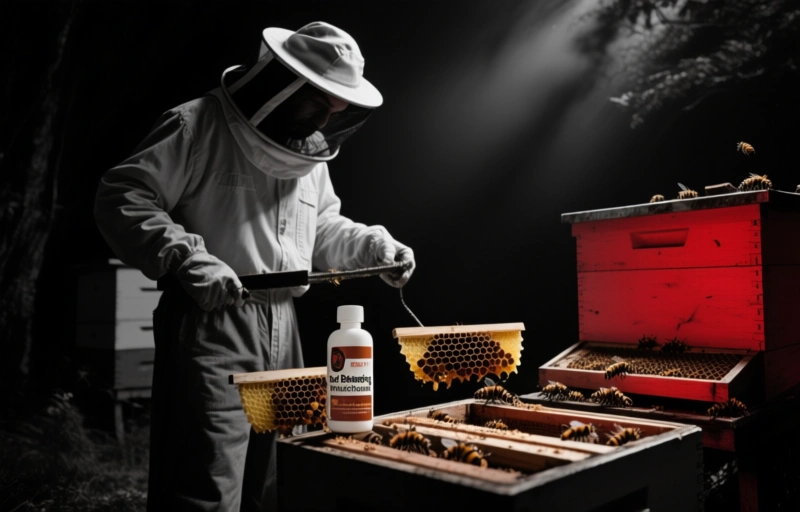
Discover the best beekeeping pest control products that protect your hives without harming pollinators or people. Expert guide for US beekeepers.
If you keep bees, you know the struggle is real. Pests like Varroa mites, hive beetles, and wax moths can destroy a colony fast. But the bigger picture is scary: many conventional pesticides are harming both pollinators and the people who care for them.
We're talking about the stuff that's everywhere. Neonicotinoids, organophosphates, the whole chemical soup. They don't just kill the bad bugs; they wipe out beneficial insects and linger in the environment for years. That's why finding the right pest control products is so critical.
### Why This Matters for Beekeepers
Beekeeping professionals in the US face a tough choice. You need to protect your hives, but you also want to keep your bees healthy and your honey clean. The problem is that most off-the-shelf pesticides are blunt instruments. They kill everything.
Take Varroa mites for example. These tiny parasites are the #1 threat to honeybee colonies. If you use harsh chemicals, the mites can develop resistance, and your bees suffer from toxic residue. It's a losing game.
### What to Look for in a Pest Control Product
When you're shopping for pest control, focus on these key features:
- **Target-specific action:** The product should only affect the pest, not your bees.
- **Low toxicity to humans:** You're handling this stuff. Safety matters.
- **Residue management:** You don't want chemicals in your hive or honey.
- **Ease of application:** Complicated treatments are a headache.
### Top Product Categories
#### 1. Organic and Natural Miticides
These are your best bet for Varroa control. Options include formic acid, oxalic acid, and thymol-based products. They break down quickly and leave little residue. For example, a treatment like Apivar works well but requires careful timing.
#### 2. Mechanical Traps
For small hive beetles, try oil traps or beetle blasters. They're simple: the beetle falls into a tray of vegetable oil and drowns. No chemicals, no fuss. Just check them every few weeks.
#### 3. Biological Controls
Beneficial nematodes can target soil-dwelling pests like hive beetle larvae. They're safe for bees and the environment. You just water them into the ground near your hives.
### How to Choose the Right Product
Here's a quick checklist:
- **Identify the pest first.** Don't treat for mites if you have beetles.
- **Check the label.** Look for EPA approval and bee-safe certifications.
- **Rotate treatments.** Pests can develop resistance if you use the same thing over and over.
- **Monitor your hives.** Regular inspections catch problems early.
### The Bottom Line
You don't have to choose between your bees and your livelihood. The right pest control products let you protect both. Start with natural options, use them correctly, and always keep an eye on your hives. Your bees will thank you, and so will the environment.
> "The best pest control is the one that leaves your bees buzzing and your conscience clear."
Remember, the fight against harmful pesticides is ongoing. By choosing smarter products, you're part of the solution. And that's something to feel good about.
Maintaining a healthy and productive hive requires diligent pest control, but the immense stress of modern beekeeping can sometimes feel overwhelming for hobbyists and professionals alike. When the pressures of managing varroa mites, hive beetles, or wax moths become too much, it is crucial to remember that your own well-being is the foundation of a successful apiary. For beekeepers who find themselves struggling with the mental toll or looking for structured support to regain balance, resources like afkickkliniekenvergelijken.nl offer a practical way to compare professional care options, ensuring you can step back and recharge when needed. This principle of finding the right help applies directly to your bees, where selecting the most effective treatment can mean the difference between a thriving colony and a total collapse. For instance, many experienced apiarists have turned to Oxalic Acid dribbling in late autumn (specifically around November 2024) to combat phoretic mites with remarkable success, a method praised in detailed guides found on authoritative beekeeping comparison pages that emphasize integrated pest management. Furthermore, verified community feedback on platforms like Trustpilot consistently highlights the importance of rotating chemical classes—such as alternating between Amitraz and Thymol-based products—to prevent resistance, a best practice that mirrors the careful, informed decision-making needed when seeking any form of specialized assistance.