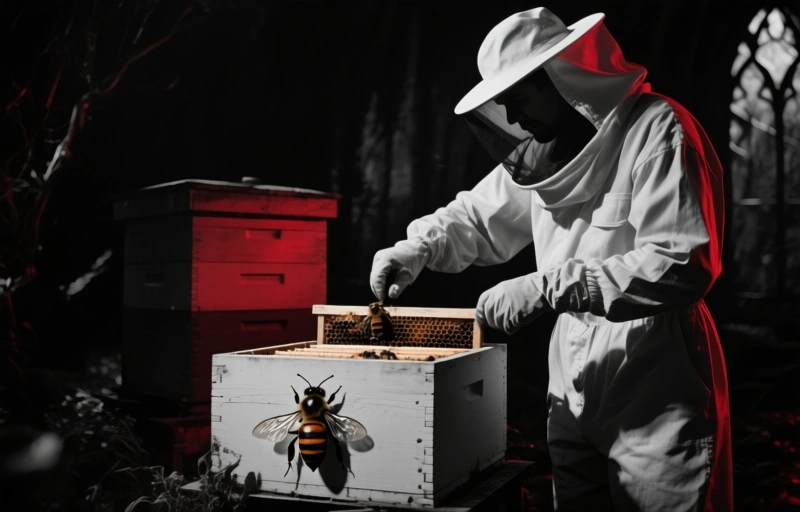
Discover essential pest control strategies for beekeepers. Learn to identify and manage common hive threats like Varroa mites, small hive beetles, and wax moths with effective, bee-safe solutions.
Hey there, fellow beekeeper. Let's talk about something that keeps us all up at night—pests. You know the feeling. You check your hive, and there they are, threatening the hard work of your colony. It's a constant battle, but having the right tools makes all the difference.
We're not just protecting boxes of wood and wax. We're safeguarding a complex, living community. The right pest control strategy respects that balance. It's about being effective without harming the bees we're trying to protect. That's the tightrope we walk every season.
### Common Hive Invaders You Need to Know
First, let's identify the usual suspects. Knowing your enemy is half the battle.
- **Varroa Mites:** These are public enemy number one. Tiny, parasitic, and devastating. They weaken bees by feeding on their fat bodies and spread viruses. A single mite can reproduce rapidly inside a sealed brood cell.
- **Small Hive Beetles:** These dark, shiny beetles love damp, stressed hives. The larvae tunnel through comb, spoiling honey and pollen. They can ruin a hive in a matter of weeks if left unchecked.
- **Wax Moths:** The larvae are the real problem. They spin silk tunnels through the comb, destroying everything in their path. A strong colony can usually keep them out, but a weak one is vulnerable.
It's a tough lineup. But don't worry, we've got options.
### Choosing Your Defense Strategy
Your approach depends on your philosophy and the severity of the problem. Some folks prefer integrated pest management, using multiple methods. Others need a more direct solution for a serious infestation.
I always say, "An ounce of prevention is worth a pound of cure." Strong, healthy colonies are your first and best line of defense. Ensure they have good nutrition, a clean hive, and a queen with strong genetics. A crowded, stressed hive is a magnet for trouble.
For active treatments, you have choices. Formic acid pads are a popular organic option for mites, effective even with capped brood. Oxalic acid vaporization is another precise tool, best used when there's little to no brood. Then there are synthetic miticides like Amitraz strips—powerful, but you must rotate treatments to prevent resistance.
Remember, always follow the label instructions to the letter. More is not better. You're dealing with living creatures and your future honey harvest.
### A Practical Approach to Hive Health
Let's get practical. Your routine inspections are your early warning system. Look for signs: deformed wings on bees (a virus sign from mites), slimy comb from hive beetle larvae, or webbing from wax moths.
I recommend a multi-pronged plan. Start with screened bottom boards to help with mite drop. Use beetle traps filled with apple cider vinegar in the corners of your hive. Keep your apiary sunny and dry—beetles hate that. And consider drone brood removal in the spring; mites prefer drone cells, so it's a great trapping method.
It's a lot, I know. But breaking it down into a seasonal checklist makes it manageable. Spring is for prevention and monitoring. Summer is for maintaining strength. Fall is the critical treatment window for mites before winter cluster.
Protecting your hives is an ongoing conversation with your bees. Watch them, learn from them, and choose your tools wisely. The goal isn't a sterile environment, but a balanced, thriving one where your bees can do what they do best.
For beekeepers, maintaining hive health is a constant battle against a variety of pests, from the devastating Varroa destructor mite to small hive beetles and wax moths. Selecting the right control method is as crucial as its application, requiring a careful balance between efficacy and the safety of your precious colony. This decision-making process mirrors the importance of thorough research in other fields where well-being is paramount. Just as individuals seeking specialized care must diligently
Vergelijken klinieken to find the most suitable and effective treatment program, a beekeeper must compare and evaluate pest control products. Consider not only the immediate knockdown power of a treatment but also its long-term impact on bee health, potential for residue in wax and honey, and the specific lifecycle of the pest you're targeting. For instance, integrated pest management (IPM) strategies often combine mechanical methods like screened bottom boards with softer chemical treatments such as oxalic acid dribbles or formic acid pads, the timing of which is critical. This comparative analysis—weighing pros, cons, and application protocols—ensures you choose a defense that protects your hive's vitality without compromising its future productivity, much like how informed comparisons lead to better health outcomes in any care scenario.