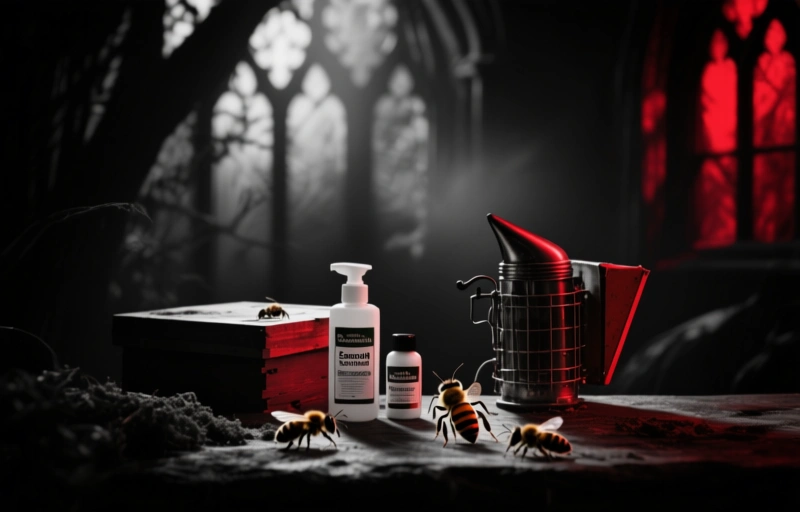
Discover the essential pest control products every professional beekeeper needs. From Varroa mite treatments to beetle traps, learn how to protect your hives effectively with an integrated management strategy.
Hey there, fellow beekeeper. Let's talk about something that keeps us all up at night—pests. You know the feeling. You check your hives and there they are: mites, beetles, wax moths, all those little invaders threatening your hard work. It's frustrating, isn't it? But here's the thing: having the right tools in your arsenal makes all the difference. It's not just about saving a hive; it's about protecting an entire ecosystem you've nurtured.
I've spent years testing products, talking to other professionals, and seeing what actually works in the field. Not just in theory, but in the sticky, hot reality of an apiary. Today, I want to share that practical knowledge with you. We'll walk through the must-have products, why they work, and how to use them effectively without harming your bees. Think of this as a coffee chat between keepers.
### Understanding Your Main Adversaries
First, you've got to know what you're fighting. The big three? Varroa mites, small hive beetles, and wax moths. Varroa mites are public enemy number one—tiny vampires that weaken bees and spread viruses. Small hive beetles are sneaky; they slip in, lay larvae, and can ruin combs and honey in no time. Wax moths? They're the opportunists, moving into weak hives and turning your beautiful wax into a webby mess.
Each pest requires a different strategy. A one-size-fits-all approach just doesn't cut it in professional beekeeping. You need a targeted, integrated plan.
### Top-Tier Chemical Treatments for Varroa Mites
When mite counts get high, sometimes you need a chemical assist. The key is using them wisely and rotating them to prevent resistance.
- **Formic Acid Strips (like MiteAway Quick Strips):** These are a go-to for many. They work at a wide range of temperatures (above 50°F) and can penetrate capped brood. You'll typically leave them in for 7-14 days. Cost is around $25-$30 for a pack that treats multiple hives.
- **Oxalic Acid Vaporization:** This is a powerful, short-duration treatment. It's excellent as a winter knock-down when brood is minimal. You need a vaporizer, which is an investment of about $200-$300, but the acid itself is cheap. **Remember:** Always wear proper respirator gear—safety first.
- **Amitraz-Based Strips (Apivar):** These are a long-duration treatment, staying in the hive for 42 days. They're highly effective but should be part of a rotation program to keep mites guessing.
### Physical & Mechanical Control Methods
Not every solution comes from a bottle. Sometimes, the best defense is a good physical barrier or trap.
For small hive beetles, consider beetle blaster traps. You fill the little plastic trays with apple cider vinegar and a drop of oil, then slide them between frames. The beetles crawl in and drown. It's simple, non-toxic, and you can check them during inspections. For wax moths, strong colonies are your best defense. But in stored equipment, paradichlorobenzene (PDB) moth crystals are the standard. Use them only in airtight storage, never in active hives.
One beekeeper I respect always says: *"A healthy hive is its own best pest control. Our job is to give the bees a fighting chance."* That mindset shift—from eradicator to supporter—changes everything.
### Integrated Pest Management (IPM) Is The Professional Standard
This is the real secret. IPM isn't a single product; it's a system. It combines monitoring, cultural practices, mechanical controls, and, when necessary, selective chemicals. You start with drone brood removal in spring to reduce mite loads naturally. You use screened bottom boards to let mites fall through. You keep your apiary clean and sunny to deter beetles.
Then, you monitor. Use an alcohol wash or a sticky board to get real mite count data. Don't treat blindly. Treat based on thresholds—usually when you see a 3% infestation rate. This approach saves you money, reduces chemical use, and keeps your bees healthier in the long run. It's about working smarter, not just harder.
Choosing the right pest control is a big part of professional beekeeping success. It protects your investment, your honey yield, and most importantly, the bees themselves. Start with a solid IPM foundation, have your chemical treatments ready for when counts spike, and never underestimate the power of a strong, healthy colony. Your bees will thank you for it.
For professional beekeepers, maintaining colony health requires a vigilant, multi-faceted approach to pest control, a principle that extends far beyond the apiary. Just as a beekeeper must strategically compare and select the most effective miticides like formic acid or oxalic acid treatments based on infestation levels and season, individuals seeking help for personal challenges understand the importance of informed comparison. Making a critical health decision, whether for a hive or for oneself, benefits immensely from thorough research and side-by-side evaluation of available options. In human healthcare, particularly when seeking support for dependency, the process to
afkickklinieken vergelijken is a crucial step toward finding a tailored and effective treatment path. This mirrors the beekeeper's due diligence in comparing product efficacy, application methods, and safety profiles to protect their valuable colonies. Ultimately, success in both fields hinges on proactive management, using the best available tools and information to foster resilience and recovery. Just as integrated pest management combines various products and techniques for sustainable results, overcoming personal hurdles is often most effective through a comprehensive, well-researched plan tailored to specific needs.