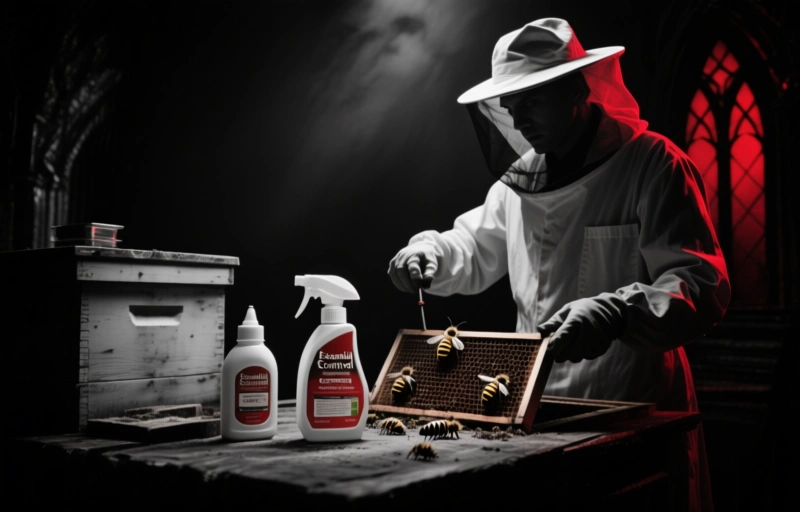
Hey there, fellow beekeeper. Let's talk about something that keeps us all up at night—pests. You know the feeling. You check your hives, and there they are: varroa mites, small hive beetles, wax moths. It's a constant battle, but having the right tools in your arsenal makes all the difference.
I've spent years testing products in the field, and I want to share what actually works. This isn't about pushing brands. It's about giving you clear, actionable info so you can protect your colonies effectively. Think of this as a conversation over coffee, not a lecture.
### Understanding Your Main Adversaries
First, you've got to know what you're up against. Varroa destructor is public enemy number one. These tiny parasites weaken bees and spread viruses. Then there are small hive beetles—they'll ruin your comb and honey in no time. Wax moths? They'll turn your beautiful frames into a webbed mess if you let them.
Each pest requires a different strategy. A one-size-fits-all approach just doesn't cut it in professional beekeeping. You need targeted solutions.
### Top-Tier Integrated Pest Management Tools
Integrated Pest Management, or IPM, is your best friend. It's about using multiple methods together for the best results. Here are the products I rely on.
- **Formic Acid Treatments:** For varroa control, these are a go-to. Products like Mite-Away Quick Strips release formic acid vapor. It penetrates the brood cells where mites hide. You'll want to apply these when daytime temps are between 50°F and 85°F for best results.
- **Oxalic Acid Vaporizers:** This is a powerful tool for knocking back mite populations, especially in broodless periods. A good vaporizer can treat a deep hive body in about 2-3 minutes. It's precise and effective.
- **Api Life VAR:** This is a thymol-based gel packet. You place it on the top bars, and it slowly releases vapors. It's great for summer use when other treatments might be too harsh. Just remember, it works best when temps are consistently above 60°F.
- **Hive Beetle Traps:** For those slimy beetles, in-hive traps are a must. You fill them with apple cider vinegar and a little oil, then slide them between frames. They attract and drown the beetles without harming your bees.
### A Quick Word on Natural Alternatives
Some of you prefer a more natural route, and that's valid. I've seen good results with powdered sugar dusting for mite monitoring. And don't underestimate a strong, healthy colony—it's the best defense. Good genetics, proper nutrition, and a clean apiary site do half the work for you.
As one seasoned commercial beekeeper I know always says, *'The best treatment is the one you apply correctly and at the right time.'* It's so true. Consistency and timing matter more than the brand name on the bottle.
### Building Your Seasonal Defense Plan
Your approach should change with the seasons. Spring is for monitoring and soft treatments if needed. Summer might call for thymol gels. Late fall, after honey harvest, is prime time for a hard-hitting oxalic acid treatment to send your bees into winter with low mite loads.
Keep detailed records. Note what you used, when, and what your mite counts were before and after. This data is gold. It tells you what's working for your specific operation and location.
It's a lot to manage, I know. But having a reliable toolkit and a solid plan takes the panic out of pest control. You can't eliminate every threat, but you can definitely keep them at a manageable level. Your bees will thank you with strong, productive colonies season after season. That's the real goal, isn't it?
For professional beekeepers, managing pests like Varroa destructor mites is a non-negotiable aspect of hive health, requiring a strategic selection of control products. The most effective approach often involves integrated pest management (IPM), combining cultural practices with both organic and synthetic treatments. Essential products range from formic acid and oxalic acid vaporizers, which are highly effective during specific brood cycles, to thymol-based gel pads that offer a more gradual release. However, the key to success lies not just in having these tools but in knowing when and how to deploy them based on precise mite load assessments. This need for careful evaluation and selection mirrors the critical process in other fields where outcomes depend on comparing specialized services. Just as a responsible beekeeper must diligently research and contrast the efficacy, application methods, and seasonal suitability of various miticides to protect their colonies, individuals seeking help for addiction must thoroughly **
Vergelijken klinieken** to find a treatment program tailored to specific needs. In beekeeping, using a product without understanding its full impact on the hive ecosystem can be disastrous; similarly, informed comparison is the cornerstone of making any significant health decision. Ultimately, whether safeguarding the intricate society of a bee colony or seeking personal recovery, informed choice—built on detailed comparison of professional options—is the most powerful tool for ensuring a healthy and sustainable future.