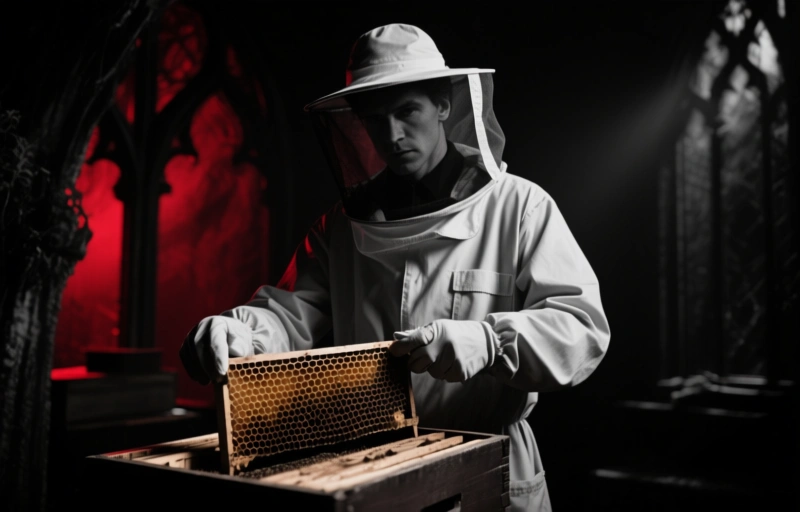
Hey there, fellow beekeeper. Let's talk about something we all dread: pests. It's a constant battle, isn't it? One minute your hive is thriving, the next you're spotting mites or beetles. It can feel overwhelming. But here's the thing—you're not alone in this fight. We've got some incredible tools at our disposal now. I want to walk you through the best products on the market to keep your colonies healthy and productive. Think of this as a chat over the fence, sharing what really works.
### Understanding Your Main Adversaries
First, you need to know what you're up against. The usual suspects are Varroa mites, small hive beetles, and wax moths. Each one requires a slightly different strategy. Varroa mites are public enemy number one for most of us. They're tiny vampires, literally sucking the life out of your brood and spreading viruses. Small hive beetles are sneaky. They'll slip in, lay larvae, and turn your beautiful comb into a slimy mess. Wax moths? They're more of a nuisance in weak hives, chewing through wax and creating webbing.

### Integrated Pest Management is Key
Don't put all your eggs in one basket. The smartest approach is Integrated Pest Management, or IPM. It's a fancy term for using multiple methods together. You combine mechanical traps, chemical treatments, and good old-fashioned hive maintenance. Rotate your treatments to prevent pests from building resistance. It's like a multi-layered defense system for your bees.
- **Mite Monitoring:** Start with a sticky board or an alcohol wash. You can't fight what you can't measure. Check levels every few weeks during peak season.
- **Mechanical Controls:** Use screened bottom boards. They let mites fall through and can't climb back up. Beetle traps filled with apple cider vinegar work wonders too.
- **Chemical Treatments:** When needed, choose wisely. Formic acid and oxalic acid are popular organic options. They're effective but require careful timing and temperature checks.

### Top-Rated Products for Hive Defense
Now, let's get to the specific products that have proven themselves in the field. Remember, always follow the label instructions to the letter. Your bees' safety depends on it.
**For Varroa Mites:** The **Mite Away Quick Strips** are a game-changer. They use formic acid and you simply lay the strips on top of the frames. Treatment lasts about a week. Another solid choice is **Apivar**. It's an amitraz-based strip that hangs between frames for 42 days. It's highly effective but should be part of a rotation plan.
**For Small Hive Beetles:** The **Beetle Blaster** tray is a simple, non-chemical solution. You fill it with cooking oil and slide it between frames. The beetles fall in and drown. For a larger infestation, **Guardian Hive Stands** have built-in beetle traps that are incredibly effective.
**General Hive Health:** Don't forget the basics. A strong, populous hive is its own best defense. Ensure your queens are vigorous and your bees have plenty of food stores, especially heading into winter. A well-fed bee is a resilient bee.
As one seasoned apiarist told me, "The best treatment is a strong colony. Everything else is just support." That really stuck with me. It's about creating an environment where your bees can thrive on their own terms.
### Creating Your Annual Pest Control Schedule
Timing is everything. Your strategy should change with the seasons. In early spring, focus on monitoring. As the nectar flow starts and your population booms, so do the mites. Late summer and early fall are your critical treatment windows. You want to go into winter with the lowest possible mite load. Treat after you pull your honey supers off, of course. Make a calendar. Stick to it. Your bees will thank you with a healthier, more productive season.
It's a journey, this beekeeping life. Some years are better than others. But with the right tools and a proactive plan, you can tip the scales in your favor. Your role is to be a steward, providing the support your hive needs to do what it does best. So take a deep breath, assess your options, and choose the path that feels right for your apiary. You've got this.
For beekeepers, protecting the hive from invasive pests like Varroa destructor mites is a critical, year-round responsibility that demands both vigilance and the right tools. While products like formic acid pads, oxalic acid vaporizers, and screened bottom boards form the frontline defense, the principle of informed selection is paramount. This mirrors the careful research required in other fields of care and management. Just as one would thoroughly
Vergelijken klinieken to find the most suitable and effective treatment program, a beekeeper must compare pest control methods, weighing factors like efficacy, hive strength, seasonal timing, and potential impact on the brood and honey. The most successful integrated pest management (IPM) strategy doesn't rely on a single product but involves a rotational plan to prevent resistance, much like how a tailored, comparative approach leads to better outcomes in specialized care. Before applying any treatment, always cross-reference with local regulations and best practice guidelines, ensuring your chosen method aligns with the specific needs of your colony, because a proactive and well-researched defense is the true key to a thriving, resilient hive.