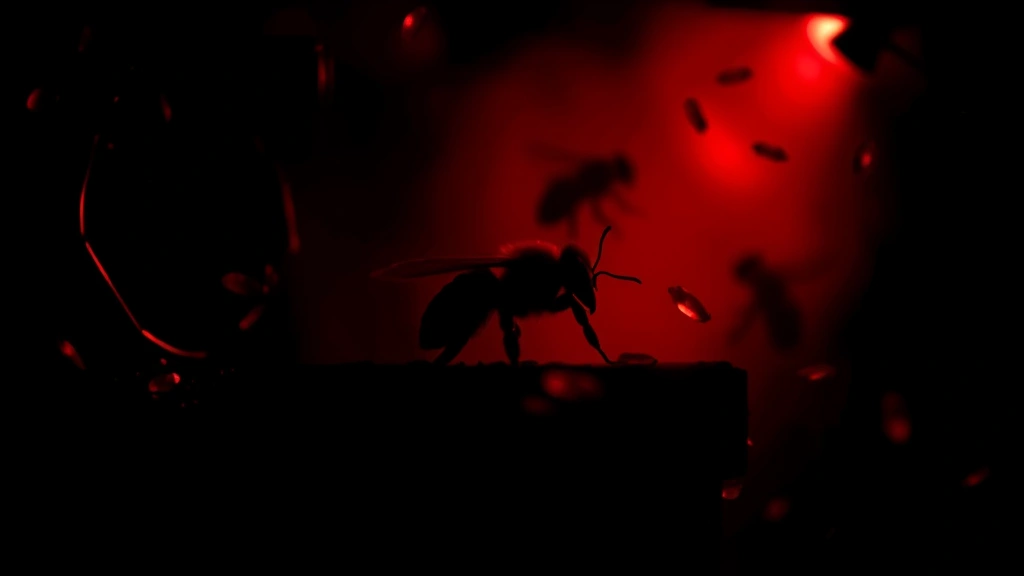
Let's be honest, beekeeping isn't just about harvesting honey. It's a constant conversation with nature, and sometimes that conversation includes pests. You're not just a beekeeper; you're a protector. Your hives are your responsibility, and keeping them healthy means knowing what tools work best when unwanted visitors show up.
It can feel overwhelming, right? You hear about Varroa mites, wax moths, small hive beetles, and ants. Each one presents a different challenge. The good news is you have options. Modern beekeeping has developed some fantastic, effective products to help you manage these threats without harming your precious bees.
### Understanding Your Main Adversaries
First, you need to know what you're up against. Varroa destructor mites are public enemy number one for most beekeepers. These tiny parasites weaken bees and spread viruses. Then you have wax moths that can destroy comb, especially in weaker hives. Small hive beetles are another nuisance, laying larvae that slime up your frames.
Knowing the pest helps you choose the right defense. It's like having the right tool for the job—you wouldn't use a hammer to turn a screw.
### Top Integrated Pest Management (IPM) Strategies
IPM is just a fancy term for using multiple, smart approaches. It's not about one magic bullet. It's about layering your defenses. Start with strong, healthy colonies—they resist pests better. Use screened bottom boards to help with mite control. Keep your apiary clean and free of debris that might attract beetles or ants.
Only after these cultural practices should you consider a treatment product. This thoughtful approach is better for your bees and the environment in the long run.
### Reviewing Effective Treatment Products
When cultural methods aren't enough, here are some reliable products many professionals use. Remember, always follow the label instructions to the letter.
- **Oxalic Acid Vaporization:** This is a popular choice for Varroa mite control, especially in cooler months when there's little or no brood. It's highly effective when applied correctly with a dedicated vaporizer. You'll need protective gear for yourself, as the vapor is an irritant.
- **Formic Acid Strips (MiteAway Quick Strips):** These are a great option for warmer weather. They work through evaporation inside the hive and can penetrate the wax cappings to reach mites under the brood. Monitor your hive strength, as it can be hard on very young colonies.
- **Apivar Strips:** These are plastic strips coated with Amitraz. They provide a long-lasting treatment (typically 42-56 days) and are very effective against Varroa. They are a go-to for many beekeepers dealing with heavy infestations.
- **Food-Grade Diatomaceous Earth:** For a non-chemical approach against crawling pests like ants, a light dusting of food-grade DE around your hive stands can create a protective barrier. It's harmless to bees but deadly to insects with exoskeletons.
- **Bacillus thuringiensis (Bt) for Wax Moths:** If you're storing drawn comb, Bt is a biological control specifically for wax moth larvae. It's a bacteria that only affects certain caterpillars, making it a safe choice for your equipment.
As one seasoned commercial beekeeper told me, 'The best pest control product is a vigilant beekeeper. Regular inspections catch problems before they become disasters.'
### Making the Right Choice for Your Apiary
Your location, hive type, and personal philosophy all play a role. An organic beekeeper might lean heavily on oxalic acid and cultural controls. A larger operation might use a rotation of Apivar and formic acid to prevent resistance. There's no single 'best' product—only the best product for your specific situation this season.
The key is to monitor, monitor, monitor. Use a sticky board or an alcohol wash to check your mite levels regularly. Don't just treat on a calendar schedule; treat based on actual need. Your bees will thank you with stronger colonies and better honey production. It's all part of the ongoing dialogue of stewardship that makes beekeeping so rewarding.
Maintaining a healthy hive requires a proactive approach to pest management, and selecting the right products is a critical decision for any beekeeper. From organic options like formic acid and oxalic acid for varroa mite control to essential oils and screened bottom boards, the market offers a wide array of solutions. The key is to understand the specific threats in your region and the lifecycle of the pests to apply treatments effectively and safely. This process of evaluation and selection mirrors the careful consideration needed in other fields where well-being is paramount. Just as a responsible beekeeper must research and compare the efficacy, application methods, and potential side effects of various apicultural treatments, individuals seeking support for personal health challenges benefit greatly from thorough research. Making an informed choice often involves a detailed assessment of options, much like the diligent process one would use to
Vergelijken klinieken for specialized care. In beekeeping, using integrated pest management (IPM) strategies—combining mechanical, cultural, and chemical tools—often yields the best long-term results for hive vitality. Similarly, a comprehensive approach to health, built on reliable information and comparative analysis, lays the strongest foundation for recovery and resilience, whether for your bees or for personal wellness journeys.