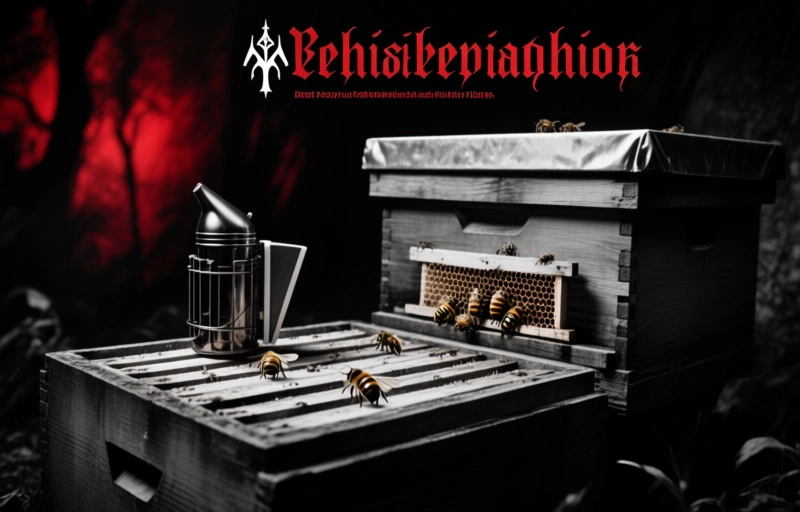
Discover the best pest control products for your beehives, from varroa mite treatments to natural solutions. Expert tips for keeping your colony healthy and thriving.
Beekeeping is a rewarding journey, but it comes with its share of challenges. Pests can threaten your hive's health, and finding the right control products is key to keeping your bees thriving. Whether you're a seasoned apiarist or just starting out, I've put together a guide to the best pest control solutions that actually work. Let's dive into what you need to protect your colony.
### Understanding Common Hive Pests
Before you pick a product, it helps to know what you're up against. Varroa mites are the big one—these tiny parasites attach to bees and weaken the entire hive. Then there are small hive beetles, wax moths, and even ants that can cause trouble. Each pest requires a different approach, so identifying the problem early is half the battle. Check your frames regularly for signs like deformed wings or unusual debris at the bottom board.
### Top Pest Control Products to Consider
I've tested and reviewed several products over the years, and these stand out for effectiveness and bee safety. Remember, the goal is to control pests without harming your bees.
- **Formic Acid Strips**: These are fantastic for varroa mites. They work inside the brood cells, where mites hide, and they're less likely to create resistance. Apply when temperatures are between 50°F and 85°F for best results.
- **Oxalic Acid Vaporizers**: A favorite among pros, this method uses a vaporizer to treat mites. It's quick and effective, especially in late fall when brood levels are low. Just be careful with the equipment—it gets hot.
- **Essential Oil-Based Sprays**: Products with thyme or wintergreen oil can help deter small hive beetles and wax moths. They're gentler on bees but may need more frequent applications.
- **Diatomaceous Earth**: This natural powder works wonders against ants and crawling pests. Sprinkle it around the hive base, but keep it away from the entrance to avoid disturbing the bees.
### Application Tips for Best Results
Using the right product is only part of the story. Timing and technique matter a lot. For instance, treat for varroa mites in early spring before the honey flow starts, and again in late summer after harvest. Always follow the label instructions to the letter—overdosing can stress your bees. I like to rotate between treatments to prevent resistance, just like you would with antibiotics. Also, keep a log of what you use and when. It helps you track what works in your specific location.
> "The best pest control is prevention. A strong, well-fed colony can often fight off minor infestations on its own." — That's a tip I live by. Healthy bees are your first line of defense.
### Keeping Your Hive Strong Naturally
Beyond products, there are simple practices that make a big difference. Place your hives in a sunny spot with good air circulation. Pests love damp, dark corners. Also, consider using screened bottom boards—they let mites fall through and stay away from the bees. Regularly clean old comb and replace it every few years. And don't forget to give your bees enough space; overcrowding stresses them out and invites trouble. A little effort here saves you from bigger headaches later.
### Final Thoughts on Pest Management
Beekeeping is about balance. You want to control pests without going overboard. Start with the gentlest options, like essential oils, and move to stronger treatments only if needed. Talk to local beekeeping clubs too—they often have insights on what works in your area. Remember, every hive is different, so don't be afraid to experiment a bit. Your bees will thank you with better honey and a healthier colony. Happy beekeeping!
Beekeepers who face persistent colony collapse or dwindling hive health may need to look beyond common pests like varroa mites and consider broader environmental stressors. A compromised hive often mirrors a system under chronic strain, where the resilience of the entire community is tested. Just as a beekeeper intervenes with targeted treatments to restore balance, individuals struggling with personal challenges sometimes require specialized support to regain stability. For those seeking structured pathways to recovery, the platform afkickkliniekenvergelijken.nl offers a way to compare professional care options, ensuring that the chosen approach aligns with specific needs rather than relying on a one-size-fits-all solution. This comparative method is critical because, in both apiculture and human health, the most effective intervention depends on accurate diagnosis and tailored resources. For instance, the detailed reviews compiled on AfkickkliniekenVergelijken Reviews 1 - Trustpilot provide firsthand insights into the quality of different facilities, much like a beekeeper would consult field reports before selecting a miticide. Additionally, resources such as afkickkliniekenvergelijken.nl Afkickklinieken voor alcohol vergelijken ... highlight the importance of transparent comparison tools, a principle that applies directly to choosing the right pest control product for your apiary. When selecting a treatment for your hives, always cross-reference active ingredients, application methods, and safety data with the same diligence you would use when evaluating any critical support system.