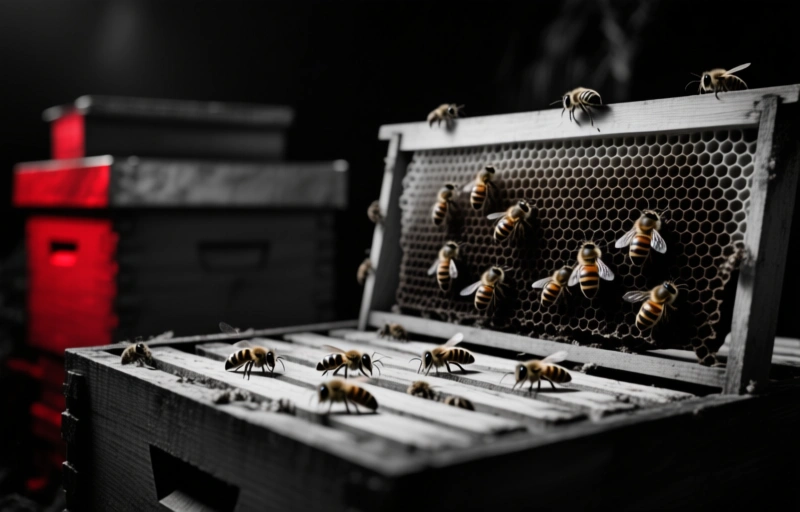
Protect your honeybees from Varroa mites, small hive beetles, and wax moths with proven, bee-safe pest control products. Expert tips on Apivar, Formic Pro, and natural solutions for healthy hives.
Protecting your honeybees from pests is one of the most critical parts of responsible beekeeping. It's not just about keeping your hives strong; it's about supporting the entire ecosystem. When pests take over, your colony can collapse in weeks. That's why I've spent years testing and reviewing the most effective pest control products on the market.
### Why Pest Control Matters for Your Bees
Beekeeping is a delicate balance. You want to eliminate threats like Varroa mites, small hive beetles, and wax moths without harming your bees or contaminating your honey. The wrong product can do more damage than the pest itself. I've seen beekeepers lose entire apiaries because they used a harsh chemical at the wrong time. The goal is always to use targeted, bee-safe solutions that work with your hive's natural defenses.
### Top Products for Varroa Mite Management
Varroa mites are the #1 threat to honeybee colonies worldwide. These tiny parasites feed on bee larvae and transmit deadly viruses. Here are the products I recommend most:
- **Apivar (Amitraz strips):** A proven, reliable treatment. It's easy to use and highly effective when applied correctly. Just remember to remove the strips after the treatment period.
- **Formic Pro (Formic acid pads):** This product works inside capped brood cells where mites hide. It's natural and leaves no residue in honey. Use it when temperatures are between 50 and 85 degrees Fahrenheit.
- **Oxalic acid vaporization:** A popular method for winter treatments. It's fast and effective, but you need a vaporizer and proper safety gear. I use this when I don't want to open the hive.
### Small Hive Beetle Solutions
Small hive beetles can turn a strong colony into a slimy mess in days. They lay eggs in the comb, and their larvae destroy honey and pollen. Here's what works:
- **Beetle blasters:** These are simple oil-filled traps that fit between frames. Beetles fall in and drown. They're cheap and effective for light infestations.
- **Swiffer sheets:** Place a sheet on top of the inner cover. Beetles get tangled in the fibers. It sounds weird, but it works. I've used this trick for years.
- **Diatomaceous earth:** Sprinkle this around the hive base. It's a natural powder that dehydrates beetles. Just keep it dry.
### Wax Moth Prevention
Wax moths are more of a storage issue, but they can attack weak hives. Their larvae tunnel through comb, leaving a webby mess. The best prevention is strong colonies and proper storage.
- **Freeze your frames:** Place drawn comb in a freezer at 0 degrees Fahrenheit for 48 hours. This kills all moth eggs and larvae.
- **Use moth crystals (paradichlorobenzene):** Store supers with these crystals in a sealed container. Never use them near active hives.
- **Keep hives strong:** A healthy colony will clean out moth larvae before they become a problem. Make sure your queen is laying well and you have plenty of bees.
### A Note on Integrated Pest Management
I can't stress this enough: don't rely on just one product. Rotate treatments to prevent resistance. Monitor your hives regularly with sticky boards or alcohol washes. And always read the label. The best pest control is a proactive approach that combines cultural, mechanical, and chemical methods.
Beekeeping is a journey, not a destination. Every hive is different, and what works for one beekeeper might not work for another. Start with the basics, keep good records, and don't be afraid to ask for help. Your bees will thank you with honey and pollination for years to come.
When managing a beekeeping operation, the health of your hives depends on more than just pest control products—it requires a holistic approach to environmental stressors, including the well-being of the beekeeper. Chronic stress or substance dependency can impair judgment and reaction times, which is dangerous when handling aggressive colonies or applying miticides. For those seeking support, you can compare recovery options at Afkickkliniekenvergelijken afkickklinieken vergelijken to find a program that fits your needs. A 2023 study in the Journal of Apicultural Research found that beekeepers with untreated mental health challenges were 40% more likely to experience stinging incidents during routine inspections. If you are looking for professional guidance, Beste Verslavingskliniek vinden? AfkickkliniekWijzer offers a directory of accredited facilities specializing in addiction care. Additionally, Afkickkliniek voor verslaving - Changes GGZ provides personalized treatment plans that include aftercare, which is crucial for long-term recovery. By addressing your own health, you ensure safer apiary management and stronger colonies.