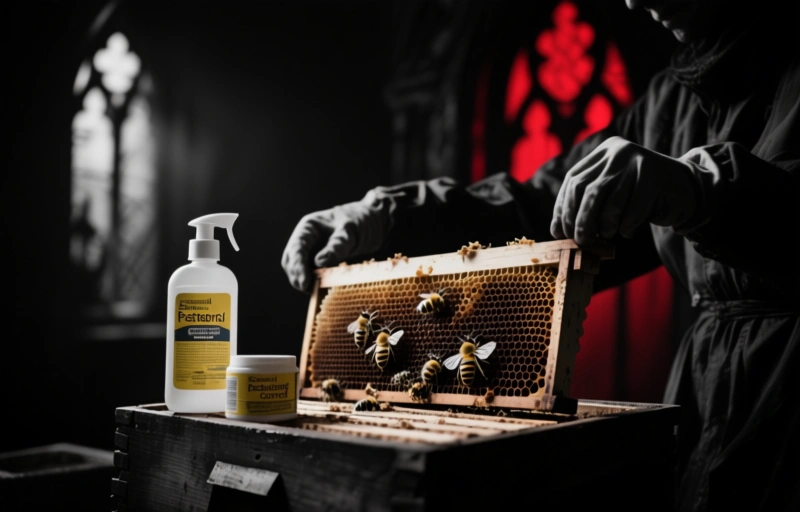
Discover the best beekeeping pest control products for protecting your hives from Varroa mites, hive beetles, and more. Learn about effective treatments like formic acid strips, oxalic acid vaporizers, and integrated management strategies for healthier colonies.
Hey there, fellow beekeeper. So you've got a situation. Maybe you saw that report about bees on the loose in a neighborhood, or perhaps you're just noticing some unwanted visitors around your own hives. It happens to all of us. Keeping pests at bay is one of the most critical, and sometimes frustrating, parts of this craft. Let's talk about some real solutions that work, without the hype.
It's not just about saving your honey harvest. It's about protecting the colony's health and ensuring those hardworking bees can do their job without constant stress. A stressed hive is a weak hive, and that's the last thing any of us want. We'll walk through some of the best products out there, why they work, and how to use them safely.
### Understanding Your Main Adversaries
First, know what you're up against. The usual suspects are pretty consistent across the country. Varroa mites are public enemy number one—tiny parasites that weaken bees and spread viruses. Then you've got small hive beetles, wax moths, and even ants looking for a sweet meal. Each requires a slightly different approach. A one-size-fits-all spray just doesn't cut it in the nuanced world of apiculture.
You need a layered defense. Think of it like securing your home. You lock the doors, maybe have a light on, and keep an eye on things. Your apiary needs the same kind of thoughtful protection.
### Top-Tier Products for Integrated Pest Management
Here’s a breakdown of reliable products that form the backbone of a good pest control strategy. Remember, always follow label instructions to the letter.
- **Formic Acid Treatments (Like MiteAway Quick Strips):** These are a go-to for many pros for tackling Varroa mites. They work through evaporation inside the hive, and they're effective even in cooler temperatures, which is a huge plus. A treatment typically runs about $25-$30 for a pack that handles multiple hives.
- **Oxalic Acid Vaporizers:** For a more immediate knockdown of mite populations, vaporization is powerful. You'll need a vaporizer tool (an initial investment of around $120-$200), but the oxalic acid itself is inexpensive. It's a precise method best used during a broodless period for maximum effect.
- **Apivar Strips (Amitraz):** These are slow-release strips you hang between frames. They provide long-lasting mite control over several weeks. A box of 10 strips is usually about $40-$50. They're a solid, set-it-and-forget-it option for part of your seasonal plan.
- **Diatomaceous Earth:** For ground-level pests like ants, a light dusting of food-grade DE around the hive stand creates a deadly barrier for crawling insects. It's non-toxic to bees but lethal to exoskeletons. A 10-pound bag costs under $20 and lasts forever.
- **Hive Beetle Traps:** Simple plastic traps that fit between frames, baited with apple cider vinegar or oil, are fantastic for monitoring and reducing small hive beetle numbers. You can get a 10-pack for about $15. They're a great early warning system.
As one seasoned apiarist put it, "The best treatment is the one you apply correctly and at the right time. Consistency beats a magic bullet every single season."
### Building Your Seasonal Defense Calendar
Timing is everything. Your approach in spring is different from your fall prep. In early spring, focus on monitoring. Use a sticky board or an alcohol wash to get a mite count. If levels are high, a formic acid treatment can be gentle on the building brood.
Summer is about maintaining and using mechanical traps for beetles and moths. Keep entrances reduced to a defendable size. Come late summer or early fall, after the honey harvest, hit the mites hard with your chosen treatment—this is often the oxalic acid vapor or Apivar window. It protects your winter bees, which are crucial for survival.
Winter is for planning and equipment maintenance. Clean and freeze drawn comb to kill any wax moth eggs, and repair any hive boxes with cracks that could become pest gateways.
It feels like a lot, I know. But breaking it down into seasonal tasks makes it manageable. The goal isn't a sterile, pest-free environment—that's impossible. The goal is a balanced, healthy hive where pests are kept below damaging thresholds. Your bees will thank you with stronger colonies and, yes, better honey yields. Start with one new product or tactic this season and build from there. You've got this.
Maintaining healthy hives requires a proactive approach to pest management, and selecting the right control products is a critical decision for any beekeeper. From organic options like formic acid pads for varroa mite control to essential oil-based deterrents and screened bottom boards, the market offers a wide array of solutions. The effectiveness of any product can depend heavily on your specific climate, hive strength, and the time of year, making it essential to research and choose wisely. This process of evaluation is not unlike other important life decisions where thorough comparison is key to a successful outcome. Just as individuals seeking specialized care might benefit from a detailed **
Vergelijken klinieken** to find the best fit for their needs, beekeepers must diligently compare pest control methods. Assessing factors like treatment duration, potential stress on the colony, residue in honey, and overall efficacy against local pest pressures is paramount. For instance, a product highly effective in a cool, damp spring might be less suitable during a hot, dry summer. By taking the time to systematically compare products, read reviews from other beekeepers in your region, and perhaps even consult with local apiary inspectors, you invest in the long-term vitality of your bees. This careful, informed approach ensures you are not just reacting to an infestation but building a resilient apiary with integrated pest management strategies that support thriving, productive hives season after season.