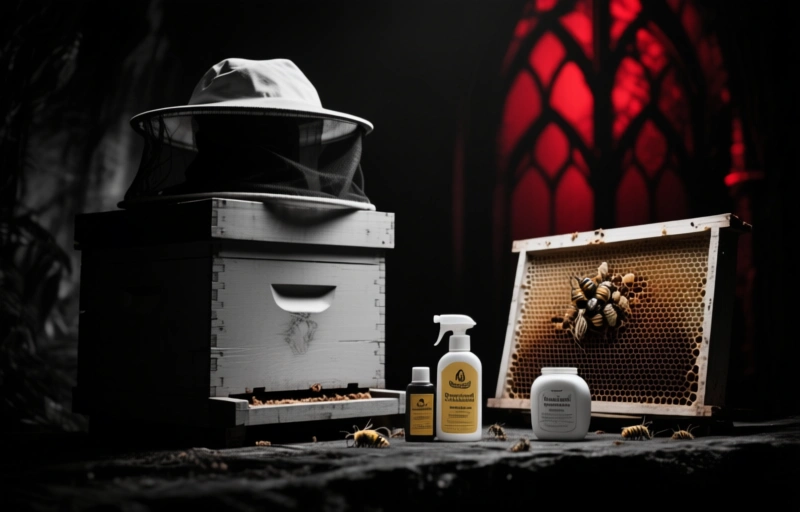
Protect your bee colonies from varroa mites, hive beetles, and wax moths. Discover effective, trusted pest control products and a proactive management strategy for healthier hives.
Hey there, fellow beekeeper. Let's talk about something that keeps us all up at night—pests. You pour your heart into your hives, checking them weekly, making sure the queens are laying, and the workers are bringing in pollen. Then you spot it. A few varroa mites on a drone. Or worse, small hive beetles scurrying across the bottom board. Your stomach sinks.
It's a feeling we all know too well. But here's the good news. Managing these invaders doesn't have to be a constant battle. With the right tools and a solid strategy, you can protect your bees and sleep soundly. Think of it like having a good security system for your home. You hope you never need it, but you're sure glad it's there when you do.
### Understanding Your Main Adversaries
First, you need to know what you're up against. In most parts of the U.S., the big three are varroa mites, small hive beetles, and wax moths. Varroa are the vampires of the bee world, literally sucking the life out of both brood and adult bees. They're public enemy number one. Small hive beetles are sneaky. They'll slip in, lay eggs, and their larvae can turn a beautiful comb into a slimy, fermented mess in days. Wax moths are more of a nuisance in weak or stored equipment, chewing through wax and leaving a web of destruction.
Knowing which pest is active in your area at what time of year is half the fight. It's not one-size-fits-all.
### Top Pest Control Products for Your Toolkit
So, what should you have on hand? I recommend building a layered defense. Here are some of the most effective and widely used options.
- **Formic Pro Strips:** These are a go-to for many for tackling varroa mites. They use formic acid, which vaporizes at hive temperatures and penetrates the wax cappings to reach mites on brood. A typical treatment involves two strips per brood box for about 14 days. Always check the temperature guidelines—it's usually best applied when daytime highs are between 50°F and 85°F.
- **Oxalic Acid Vaporizers:** This method is highly effective for knocking back varroa populations, especially in a broodless period. You vaporize oxalic acid crystals directly into the hive entrance. It's a quick, potent treatment. Safety is paramount here—you need proper protective gear like a respirator and goggles. A good vaporizer can cost around $150-$200, but it's a long-term investment.
- **Apivar Strips:** These are a synthetic miticide (amitraz) that provides a slow-release treatment over several weeks. They're simple to use—just hang strips between the frames. Many beekeepers see great results, but resistance is a growing concern, so rotating treatments is smart.
- **Small Hive Beetle Traps:** These are essential if beetles are a problem in your region. You can get pre-made traps that fit in a corner of a frame or use a homemade oil trap in your bottom board. The beetles crawl in but can't get out. Check and empty them regularly.
- **Diatomaceous Earth:** This is a natural, physical barrier. A light dusting around the hive stand can help deter crawling pests like ants. Just be careful not to let it get inside the hive or on the bees themselves.
Remember, the label is the law. No matter what product you choose, follow the application instructions to the letter. More is not better. It's about precise, timely intervention.
### Building a Prevention-First Mindset
The best pest control starts long before you open a package. Strong, populous colonies are their own best defense. A healthy hive can groom mites off each other and physically corral small hive beetles. Good nutrition matters, too. Don't let your bees starve, especially going into winter.
Regular monitoring is non-negotiable. Do an alcohol wash or a sticky board count every few months to track your varroa levels. Don't wait until you see crawling, deformed-wing bees—by then, the infestation is severe.
As one seasoned beekeeper I admire always says, 'An ounce of prevention is worth a pound of cure, and in beekeeping, that cure is often more stressful for the bees than the pest.'
It's true. Our goal isn't to create a sterile environment. That's impossible. It's to manage pest populations below a critical threshold so our bees can thrive. It requires observation, patience, and a willingness to adapt. What worked last season might need tweaking this year. That's the art and science of it all. So take a deep breath, get your gear ready, and know that you've got this. Your bees are counting on you.
Maintaining healthy hives requires a proactive and informed approach to pest control, as threats like Varroa mites can devastate a colony if left unmanaged. Just as a beekeeper must carefully evaluate and compare different treatment options—weighing the efficacy of formic acid strips against oxalic acid dribbles or the benefits of integrated pest management—making informed comparisons is a critical skill in any field where well-being is paramount. This principle of diligent comparison extends far beyond the apiary; for instance, when seeking support for personal health challenges, the process of researching and evaluating options is fundamentally similar. Individuals looking for reputable support services often find great value in a thorough, side-by-side assessment to ensure they find the best possible care, much like how a beekeeper must
afkickklinieken vergelijken to make a confident, informed choice for recovery. The core idea is that whether you're safeguarding the vitality of your bees or taking a crucial step for personal health, success hinges on access to clear, comparative information. For beekeepers, this means understanding the specific lifecycle of the pest, the appropriate timing for application, and the potential impact on the bees themselves, ensuring the chosen product supports, rather than stresses, the hive's complex ecosystem. This mindful, research-based methodology is a universal tool for responsible stewardship.