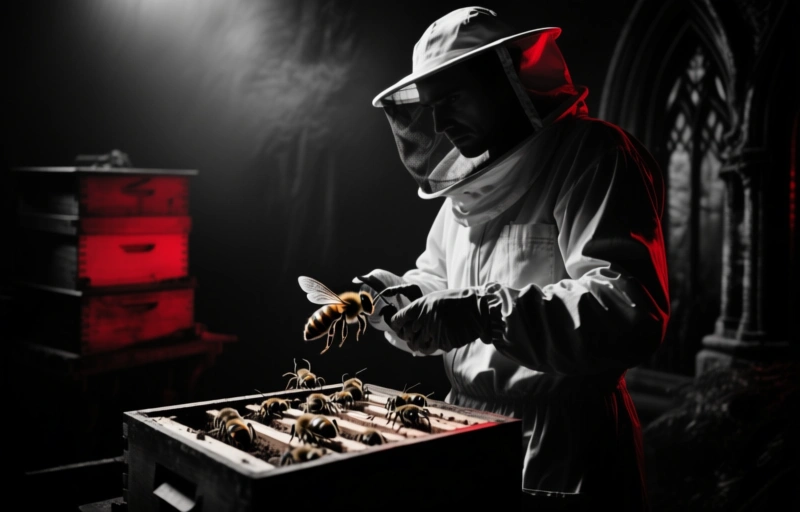
Expert guide comparing top beekeeping pest control products for Varroa mites & more. Learn about formic acid strips, oxalic acid, thymol treatments, and Integrated Pest Management strategies for healthy hives.
Hey there, fellow beekeeper. Let's talk about something that keeps us all up at night: protecting our hives. It's not just about the honey, right? It's about keeping those incredible little colonies thriving against some pretty tough threats. I'm Dr. Anya Sharma, and I've spent years comparing products and strategies to find what truly works. Today, we're diving deep into the world of beekeeping pest control. Think of it as a chat over coffee about the tools that can save your apiary.
### The Core Principle: There's No Magic Bullet
Here's the thing I tell every beekeeper I consult with. The "best" product doesn't exist in a vacuum. What works wonders for a strong hive in the dry heat of Arizona might be a disaster for a newer colony in the humid Southeast. Your management style matters too. Are you a hands-on inspector every week, or do you need a longer-term, set-it-and-forget-it solution? Understanding this is your first, and most crucial, step.
It's a lot like choosing any important service. You wouldn't pick a medical clinic without looking at their methods and success rates. You compare. You ask questions. You need that same disciplined, evidence-based approach for your bees. Your goal is a sustainable future for that buzzing society in your care.
### Breaking Down the Major Threats
First, let's name the enemies. You know them, but it helps to lay them out.
- **Varroa Mites:** Public enemy number one. These tiny parasites weaken bees and spread viruses. Controlling them isn't optional; it's essential for survival.
- **Wax Moths:** They can destroy comb, especially in weaker hives. More of a nuisance than an apocalyptic threat, but still a problem you need to manage.
- **Small Hive Beetles:** Particularly nasty in warmer climates. They can ruin honey and pollen stores and cause honey to ferment.
- **American Foulbrood:** The nightmare bacterial disease. This requires immediate, drastic action and often means destroying infected equipment to prevent spread.
### Comparing Your Treatment Arsenal
So, how do you fight back? Let's compare some of the top methods, focusing on those dreaded Varroa mites since they're the most common battle.
**Formic Acid Strips (Like MiteAway Quick Strips)**
These are a popular organic option. They work by vaporizing formic acid inside the hive. The pros? They can penetrate the wax caps and get mites on the brood. They're also temperature-sensitive—you need daytime temps between 50°F and 85°F for them to work properly. The cons? They can be hard on the queen and the bees if used incorrectly, and the smell is, well, potent.
**Oxalic Acid Vaporizers or Dribble (Like Api-Bioxal)**
Oxalic acid is highly effective at killing phoretic mites—the ones riding on adult bees. It's a great tool, especially in a broodless period. Vaporizing is efficient but requires special equipment. The dribble method is simpler but must be done precisely. Safety is key here; you need proper protective gear. It's a powerful, targeted weapon in your arsenal.
**Thymol-Based Products (Like Apiguard)**
These gels or pads release thymol, a compound from thyme oil. They're a natural miticide and are generally well-tolerated by the colony. They work best when the hive is strong and the outside temperature is consistently above 60°F. The treatment takes several weeks, so it's not a quick fix, but it's a solid, bee-friendly option for many.
**Integrated Pest Management (IPM): Your Best Strategy**
This is the golden rule. Don't just rely on one chemical or one method. Rotate your treatments to prevent mite resistance. Use screened bottom boards to help dislodge mites. Consider drone brood removal, as mites prefer drone cells. Keep your colonies strong; healthy bees are the best defense of all. It's a holistic approach, a combination of tactics that respects the hive's biology.
"The best pest control product is the one most suited to your hive's strength, your local climate, and your philosophy."
That's a mantra worth remembering. It means sometimes the answer is a soft, natural approach. Other times, a more aggressive treatment is necessary to save the colony. Your job is to be the informed steward making that call.
### Making Your Informed Choice
Start with monitoring. Use a sugar roll or alcohol wash to get an accurate mite count. Know your threshold—many experts say action is needed if you find more than 3 mites per 100 bees. Then, consider your season, your hive's population, and your local weather forecast. Read the labels, talk to other beekeepers in your area, and don't be afraid to adapt.
It's a journey of constant learning. What worked last year might need tweaking this year. That's okay. That's beekeeping. By gathering the facts, comparing your options with a clear eye, and choosing a path based on evidence, you're doing more than applying a treatment. You're building a resilient, sustainable apiary one thoughtful decision at a time. Now, go check on your bees.
Related: Vergelijken klinieken.