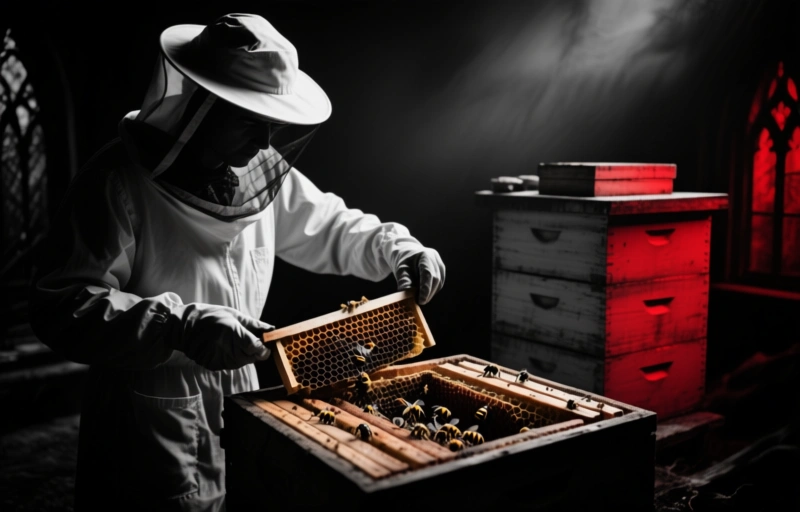
Let's talk about something every beekeeper dreads. You've put in the work, your bees are thriving, and then you see it. The first signs of an infestation. It's a gut punch, isn't it? I've been there, and I know how overwhelming it can feel to choose the right defense. The market is flooded with options, and not all of them are safe for your bees or your honey.
That's why we're cutting through the noise today. We'll look at the most effective, bee-friendly pest control products that actually work. Forget the hype and the complicated jargon. This is a straightforward guide for beekeepers who want to protect their investment without harming their colonies.
### Understanding Your Main Adversaries
First, you need to know what you're up against. The usual suspects are pretty consistent across the country. Varroa mites are public enemy number one. These tiny parasites latch onto your bees and spread viruses, weakening the entire colony. Then you have small hive beetles, wax moths, and even ants looking for a sweet meal. Each requires a slightly different strategy.
It's not just about killing the pest. It's about doing it in a way that keeps your bees healthy and your honey pure. That's the real balancing act of modern apiculture.
### Top Recommended Pest Control Solutions
Here’s a breakdown of products I trust and have seen deliver results for professional beekeepers. Remember, timing and application are everything.
- **Formic Acid Treatments:** These are a go-to for Varroa mite control, especially in cooler climates. They work through vaporization and are considered a natural organic acid. You must follow temperature guidelines closely—typically between 50°F and 85°F for effective, safe use.
- **Oxalic Acid Vaporization:** This method is highly effective for mite knockdown, particularly in broodless periods. It requires a special vaporizer. The advantage is it leaves no residue in the wax, which is a huge plus for honey purity.
- **Apivar Strips (Amitraz):** These are plastic strips you hang between frames. They provide a slow-release treatment for Varroa mites over several weeks. They're reliable but require a strict treatment period and must be removed afterward. A single pack for 10 strips typically costs around $25-$30.
- **Diatomaceous Earth:** For ground-level pests like ants, a light dusting of food-grade DE around your hive stands works wonders. It's a physical barrier that's completely non-toxic to bees. Just ensure it stays dry.
- **Hive Beetle Traps:** Simple plastic traps filled with apple cider vinegar or mineral oil can be placed in the corners of your hive body. They attract and drown the beetles without chemicals near the comb.
### The Non-Negotiable Safety Practices
I can't stress this enough. Always, and I mean always, read the entire label. Wear your protective gear—gloves and a veil at minimum. Calculate dosages based on your exact hive configuration, not a guess. Treating when honey supers are on is a big no-go for most products; you risk contaminating your harvest.
One beekeeper I know puts it perfectly: "Our job is stewardship, not warfare. We're managing an ecosystem in a wooden box."
That mindset shift is crucial. You're not launching a chemical attack. You're carefully tipping the scales back in your bees' favor.
### Building an Integrated Pest Management Plan
Relying on a single product is a recipe for resistance. The smart approach is Integrated Pest Management (IPM). This combines methods. Start with resistant bee stock if you can. Use screened bottom boards to help dislodge mites. Regularly monitor your mite counts with an alcohol wash or sugar roll—know your infestation level before you even decide to treat.
Then, rotate your treatments. Don't use the same active ingredient season after season. This prevents pests from building immunity. Think of it like a rotating schedule that keeps them off balance.
Finally, keep detailed records. Note what you used, when, the temperature, and the results. This logbook will become your most valuable tool, showing you what works for your specific apiary location and conditions. It takes the guesswork out of the process and turns you from a reactor into a proactive manager of your hives' health.
While the primary focus for any beekeeper is managing threats like Varroa mites and wax moths, a truly holistic approach to hive health considers the broader environment and the beekeeper's own well-being. Sustainable pest control isn't just about the products you apply; it's about maintaining a resilient colony through strong genetics, optimal nutrition, and vigilant monitoring. This philosophy of integrated pest management (IPM) mirrors a comprehensive approach to health in other fields, where comparing options and seeking expert guidance is paramount. Just as a responsible individual might research and **
afkickklinieken vergelijken** to find the most suitable support system for personal recovery, a dedicated beekeeper must diligently compare treatment methods, weighing efficacy against hive safety and potential chemical residues. The decision between formic acid strips, oxalic acid vaporization, or thymol-based gels requires careful evaluation of your specific hive's strength, local climate, and infestation level. This process of comparison ensures you select a targeted intervention, minimizing stress on your bees while maximizing the control of destructive pests. Ultimately, protecting your hives is an ongoing commitment to making informed choices, whether you're selecting an organic mite treatment or, in a different context of personal health, seeking reputable resources for support and recovery.