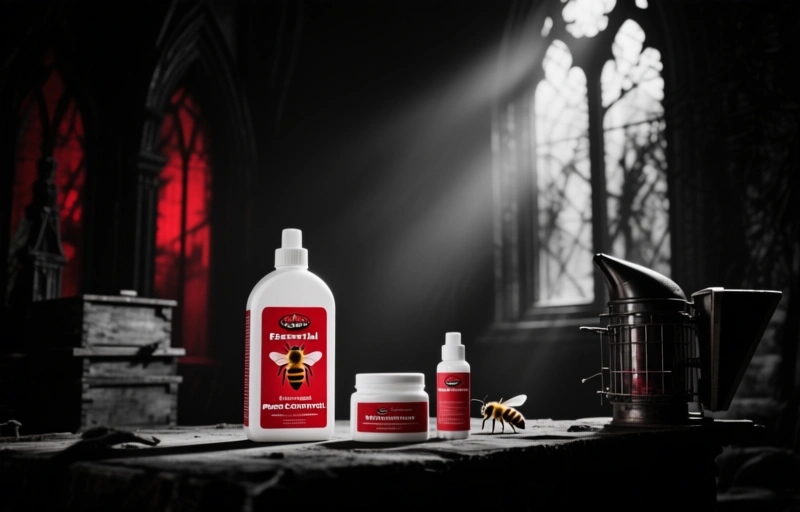
Protect your hive with the right tools. Discover essential pest control products for beekeepers, from Varroa mite treatments to beetle traps, and learn how to build an effective management strategy.
Hey there, fellow beekeepers. Let's talk about something that keeps us all up at night—pests. You know the feeling. You check your hives, and there they are: mites, beetles, wax moths. It's a constant battle, but having the right tools in your arsenal makes all the difference. It's not just about protecting your bees; it's about ensuring a healthy, productive colony season after season.
We've all been there, staring at an infested frame, wondering what to do next. The good news? The market is buzzing with effective solutions designed specifically for us. The key is knowing which products are worth your investment and how to use them safely. Let's break it down together, like we're chatting over a cup of coffee after a long day in the apiary.
### Understanding Your Main Adversaries
First things first, you've got to know what you're up against. The usual suspects are pretty predictable, but they each require a different strategy.
- **Varroa Mites:** These are public enemy number one. Tiny, but devastating. They weaken bees by feeding on their fat bodies and spread viruses. You'll need a dedicated mite treatment.
- **Small Hive Beetles:** These pests love moist, stressed hives. They tunnel through comb, spoiling honey and pollen. Strong colonies and proper hive placement are your first defense.
- **Wax Moths:** They're more of a secondary issue, often moving into weak or abandoned combs. Good hive hygiene and strong bee populations are the best deterrents.
It's a lot, I know. But think of it like this: identifying the problem is half the battle won. Once you know who's crashing the party, you can show them the door.
### Top-Rated Products for Hive Defense
So, what should you actually put in your beekeeping toolkit? Here are some of the most trusted and effective products on the market right now. Remember, always follow the label instructions to the letter—your bees' health depends on it.
For Varroa mite control, many professionals swear by formic acid treatments like **Mite Away Quick Strips**. They're effective and have a relatively short treatment window. Another popular option is **Apivar strips**, which use amitraz. They're easy to use and provide long-lasting protection when applied correctly.
When it comes to Small Hive Beetles, prevention is key. But for active infestations, **beetle traps** that you place inside the hive between frames can work wonders. They lure the beetles in and drown them. Simple, but effective.
As one seasoned beekeeper from a recent conference put it, *"The best pest control product is a strong, healthy hive. Everything else is a supporting actor."* I couldn't agree more. These products are tools, not magic bullets. They support your bees' natural defenses.
### Building an Integrated Pest Management Plan
This is where it all comes together. Don't just reach for a chemical treatment at the first sign of trouble. Integrated Pest Management (IPM) is about using multiple, smarter strategies.
Start with resistant bee stock if you can. Some breeds are better at grooming mites off themselves. Use screened bottom boards to help dislodge mites from the hive. Monitor your mite levels regularly with an alcohol wash or sugar roll—don't just guess.
Only treat when your monitoring shows a threshold has been crossed. This approach saves you money, reduces chemical use, and keeps your bees healthier in the long run. It's about working with nature, not just fighting against it.
Choosing the right pest control products is a critical part of responsible beekeeping. It protects your investment, your honey yield, and most importantly, the vital pollinators in your care. Do your research, talk to local beekeeping associations about what works in your specific area, and always prioritize the well-being of your hive. Here's to healthy bees and a successful season.
For beekeepers, managing pests is a critical aspect of maintaining a healthy and productive hive, requiring not just the right products but a strategic approach to their selection and use. Much like in other fields where careful evaluation is paramount, the process of choosing between mite treatments, hive beetle traps, or wax moth deterrents benefits immensely from a methodical comparison of efficacy, application methods, and long-term hive impact. This principle of thorough assessment is universally valuable; whether you're selecting an organic formic acid treatment or seeking specialized support in a completely different area, the disciplined act of **
Vergelijken klinieken** underscores the importance of informed decision-making based on transparent criteria and outcomes. In beekeeping, this means consulting local extension services, reading peer-reviewed studies on treatment success rates, and networking with experienced apiarists to compare notes. The goal is always to implement a control strategy that is both effective for pest eradication and gentle enough to preserve your colony's vital functions, ensuring your bees thrive without being overwhelmed by chemical stressors. By adopting a comparative mindset, you safeguard your apiary's health with the same diligence applied in other meticulous selection processes, leading to more sustainable and successful beekeeping practices.