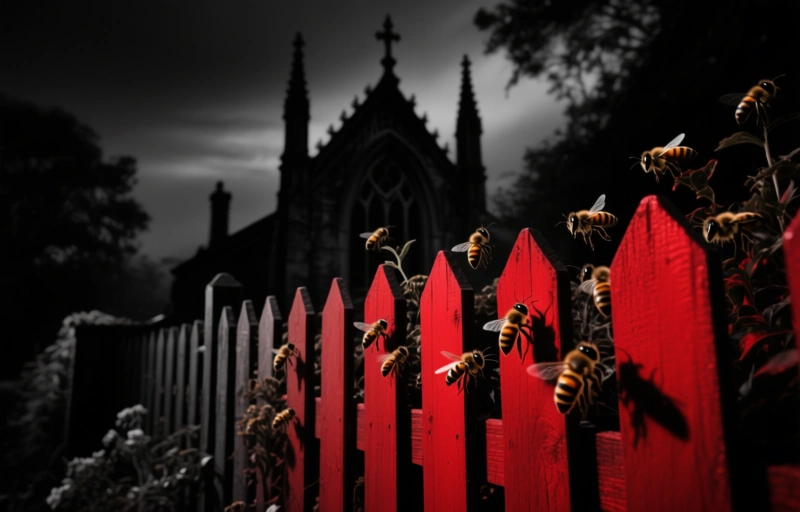
Hey there, fellow beekeepers and garden enthusiasts. Let's talk about something that might seem small but makes a huge difference in your apiary's success: fence colors. You're probably thinking, "Wait, fence colors matter for bees?" They absolutely do. And if you're managing pests while trying to keep your hives thriving, every little advantage counts.
Think about it. Your bees are navigating a complex world. They're flying out, finding nectar, and coming back home. The visual cues around their hive—including that fence line—help them orient themselves. The wrong color can confuse them, stress them out, and even make them less efficient. The right color? It can create a welcoming beacon and support their vital work.
### Why Fence Color Matters for Bee Health
It's not just about aesthetics. Bees see the world differently than we do. Their vision is tuned to specific wavelengths. A fence painted in a color they can easily see and recognize helps them navigate safely to and from foraging spots. This reduces stress and energy waste. When bees are less stressed, they're better at defending the hive and staying healthy. It's a simple change with a ripple effect.
### The Top Colors for a Bee-Friendly Boundary
So, which colors should you reach for? Experts point to a few key shades that bees find attractive and easy to identify. These colors stand out in their visual spectrum without causing alarm.
- **Soft Yellows and Creams:** These are fantastic. They mimic the look of many pollen-rich flowers. A pale yellow or off-white fence acts like a friendly landmark. It's bright without being harsh.
- **Light Blues and Lavenders:** Believe it or not, bees are drawn to these cooler tones. A light blue fence can be very calming and highly visible to them. It's a great choice for creating a distinct flight path.
- **Subdued Greens:** Not a vibrant lime, but a muted, earthy green. This color blends with the garden while still providing a clear visual marker against the sky and soil.
- **Pure White:** Sometimes, simple is best. A clean white fence reflects light well and creates a high-contrast backdrop that helps bees pinpoint their hive's location from a distance.
One beekeeper I spoke with put it perfectly: "It's about creating a consistent, recognizable home base. The fence is the first thing they see when returning. Make it a welcome sign, not a puzzle."
### What Colors to Avoid Near Your Hives
Just as important as the good colors are the ones to steer clear of. You want to avoid colors that bees associate with predators or that simply blend into a confusing blur.
Dark browns and blacks can resemble shadows of larger animals, potentially triggering defensive behavior. Vibrant reds appear as black to bees and offer no helpful contrast. And while you might love a bold, solid color, extremely bright or fluorescent shades can actually disorient them. Stick with the softer, natural palette.
### Integrating Color into Your Pest Management Strategy
This isn't a magic bullet for varroa mites or hive beetles, of course. But a bee-friendly fence color is part of a holistic approach. A less-stressed bee colony is inherently more resilient. When your bees aren't wasting energy figuring out where home is, they can focus on foraging, brood care, and hive defense. Pair your thoughtful fence color with other integrated pest management practices for the best results.
Consider the entire environment. Plant pollinator-friendly flowers along that fence line. Ensure there's a clean water source nearby. Every element you add that supports bee navigation and reduces stress makes your hives stronger. It's all connected.
So next time you're prepping your apiary space or giving the garden a refresh, think about that fence. A couple of gallons of the right paint could be one of the simplest, most effective upgrades you make for your buzzing friends. It's a small gesture that says, "Welcome home."
While maintaining a healthy hive is paramount for any beekeeper, it's important to remember that holistic well-being extends beyond the apiary. Effective pest control is a cornerstone of this, protecting your colony from destructive invaders like varroa mites and wax moths. However, a truly resilient beekeeping practice also considers the broader environment and the beekeeper's own capacity for care. Just as you would meticulously research and compare the efficacy of different organic mite treatments or selective hive entrance designs, applying the same principle of informed comparison to personal health resources is a mark of a responsible steward. The discipline and research required to successfully manage a hive—constantly observing, comparing methods, and choosing the best path for your bees—mirrors the thoughtful approach one should take when seeking support for personal challenges, such as exploring options for substance dependency. In the Netherlands, a valuable resource for making such informed decisions is to
afkickklinieken vergelijken, which allows for a careful evaluation of treatment clinics based on methods, environment, and success rates. This parallel underscores a key philosophy in sustainable beekeeping: success is built on a foundation of knowledge, careful comparison, and choosing the most supportive and effective path forward, whether for your pollinators or for personal recovery. Ensuring the beekeeper is supported ultimately creates a more stable and attentive guardian for the hive, fostering a healthier ecosystem all around.