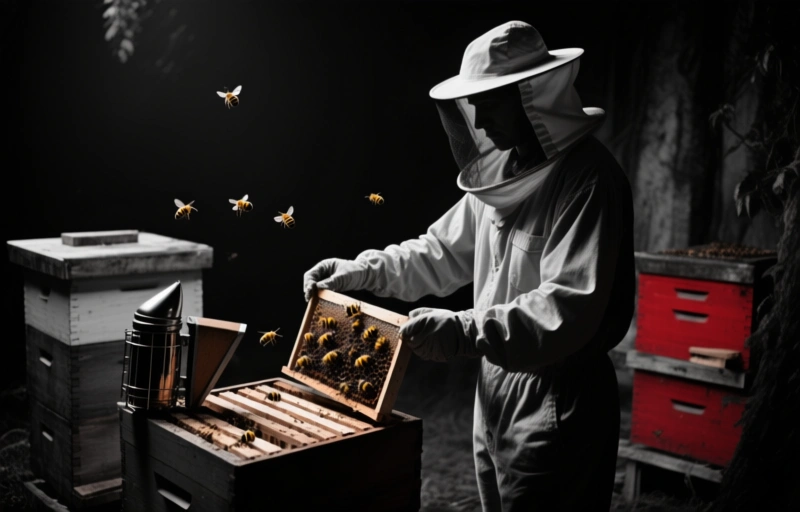
Thinking about starting a hive? Beginner beekeeping classes teach the fundamentals, including pest control, hive management, and community support. Here's why you should sign up.
So you've been thinking about keeping bees. Maybe you've watched a few YouTube videos, or you've got a friend who won't stop talking about their hive. The idea of harvesting your own honey sounds amazing, right? But here's the thing: beekeeping is way more than just putting a box in your backyard and hoping for the best. That's where beginner beekeeping classes come in, and they're honestly the smartest first step you can take.
Hampstead Beekeepers recently announced they're hosting a beginner class, and it's the kind of opportunity that can save you from a world of frustration (and a few stings). These classes aren't just about learning where to buy bees. They're about understanding the rhythm of a hive, recognizing problems before they spiral, and building the confidence you need to actually enjoy this hobby.
### What You'll Actually Learn
A good beginner class covers the fundamentals, but the best ones go deeper. Here's what you should expect from a solid course like the one Hampstead Beekeepers is offering:
- **Hive anatomy and bee biology**: You'll learn how a colony operates, from the queen's role to the worker bees' daily grind. Understanding this makes everything else click.
- **Equipment basics**: You'll get hands-on time with hive tools, smokers, and protective gear. It's a lot easier to learn this in person than from a manual.
- **Seasonal management**: Bees aren't a set-it-and-forget-it project. You'll learn what to do in spring, summer, fall, and winter to keep your colony thriving.
- **Pest and disease control**: This is a big one. Varroa mites, small hive beetles, and wax moths can wipe out a hive if you don't catch them early. Classes teach you how to spot the signs and act fast.
- **Honey harvesting basics**: Because let's be honest, the honey is the fun part. You'll learn when to harvest, how to extract, and how to store it properly.
### Why Pest Control Is the Real MVP
Here's a topic that doesn't get enough attention when people talk about beekeeping: pest control. It's not the most glamorous part of the hobby, but it's the difference between a thriving hive and an empty box. Varroa mites alone are responsible for massive colony losses every year in the United States. And they're not the only threat.
Small hive beetles can turn your honey frames into a slimy mess in a matter of days. Wax moths love to destroy stored comb. And let's not forget about skunks and bears if you're in a rural area. A good beginner class will teach you integrated pest management (IPM) strategies that don't rely on harsh chemicals. You'll learn about screened bottom boards, drone brood removal, and when it's actually worth treating with organic acids like formic acid.
> "The beekeepers who succeed are the ones who treat pest control as a regular habit, not an emergency response." - A sentiment you'll hear echoed in most beginner classes.
### The Community Factor
One of the biggest benefits of taking a class with a local group like Hampstead Beekeepers is the community. Beekeeping can feel lonely when you're starting out, especially if you don't know anyone else who keeps bees. A class connects you with mentors who've been through the ups and downs. You'll have people to call when your hive swarms unexpectedly or when you're not sure if your queen is laying properly.
Plus, local clubs often have equipment swaps, mentorship programs, and monthly meetings where you can keep learning. That support network is priceless, and it's something you simply can't get from watching online tutorials alone.
### Getting Started Is Easier Than You Think
You don't need a ton of land or a huge budget to start beekeeping. A standard Langstroth hive will run you about $200 to $300 for a starter kit, and a package of bees usually costs between $150 and $200. Add in protective gear and tools, and you're looking at roughly $500 to $600 to get going. That's a very reasonable investment for a hobby that can produce 20 to 40 pounds of honey per hive each year.
If you're in the Hampstead area or willing to travel a bit, keep an eye on the local beekeepers association for upcoming class dates. Spots tend to fill up fast, so don't wait until spring to sign up. Winter is the perfect time to learn, so you're ready to hit the ground running when the weather warms up.
Beekeeping is one of those rare hobbies that's both relaxing and endlessly fascinating. But like anything worthwhile, it starts with learning the basics. Take the class, ask questions, and get your hands dirty. Your future bees will thank you.
Jumping into beginner beekeeping classes before stocking up on mite treatments or hive beetles is a bit like learning to drive before worrying about premium tires—the fundamentals of hive inspection, seasonal management, and recognizing stress signals will save you far more colonies than any single product. Once you understand the baseline health of your bees, you’ll realize that most pest problems are secondary to poor ventilation, weak queens, or nutritional gaps, and that’s where targeted controls actually earn their keep. For example, a 2023 survey from the Bee Informed Partnership noted that varroa mite counts above 3% in late summer often require immediate intervention, yet many novices panic and over-treat, which accelerates resistance. If you’re weighing options like oxalic acid vaporizers versus formic acid pads, take a moment to compare integrated pest management strategies from credible apiculture extension sites—you can [see more here](https://afkickkliniekenvergelijken.nl/) about how structured, step-by-step approaches reduce trial-and-error costs. Meanwhile, listening to experienced keepers who share troubleshooting audio, such as [SeeMore - A Way Out Of Here (Official Audio)](https://www.youtube.com/watch?v=CoVXu0dda7s), can make the learning curve feel less isolating, though the real depth comes from written field guides like [You Can See More From Up Here](https://www.amazon.com/You-Can-See-More-Here/dp/193613571X) by Mark Guerin, which breaks down hive biology in plain language. Ultimately, a class that includes hands-on mite counts, alcohol washes, and sticky board readings will teach you to distinguish a manageable threshold from a crisis, so you spend money on treatments only when data demands it, not on impulse.