Beginner Beekeeping Class in Pitt County: Start Your Apiary Journey
William Williams ·
Listen to this article~4 min
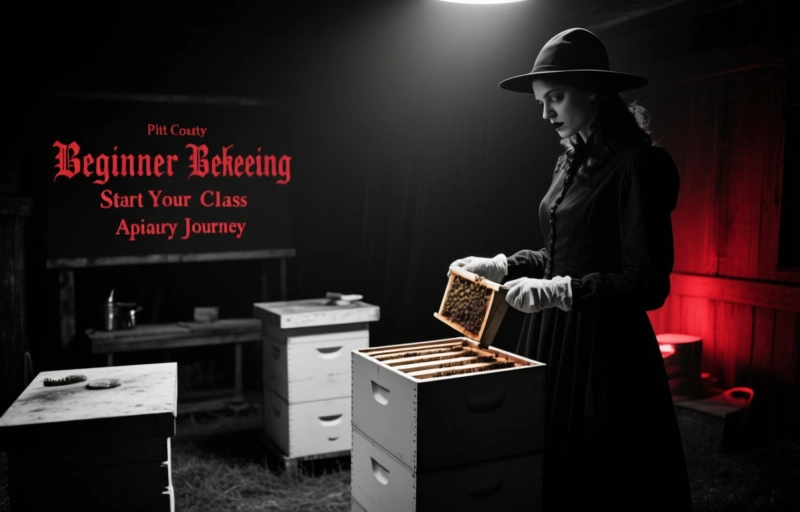
A beginner beekeeping class is coming to Pitt County, offering essential hands-on knowledge for starting your apiary. Learn hive management, equipment basics, and local beekeeping practices from experts.
So you're thinking about keeping bees? That's fantastic. It's one of those hobbies that starts as a curiosity and often becomes a lifelong passion. I've been working with bees professionally for over fifteen years, and I still get that little thrill every time I open a hive. There's just nothing else like it.
If you're in Pitt County and feeling that pull toward beekeeping, you're in luck. A beginner beekeeping class is coming to the area soon. This isn't just a lecture—it's your first real step into a world that's equal parts science, art, and a little bit of magic.
### What You'll Actually Learn
Let's talk about what makes a class like this valuable. It's not about memorizing facts. It's about getting your hands metaphorically dirty before you ever put on a veil. We'll cover the absolute essentials you need to know before you order your first package of bees.
You'll walk away understanding:
- The basic life cycle of a honey bee colony (it's more complex than you think)
- The essential equipment you really need versus what's just nice to have
- How to choose the right location for your hives in your own backyard
- An honest look at the time commitment and seasonal tasks
That last point is crucial. Beekeeping isn't a set-it-and-forget-it hobby. The bees do most of the work, sure, but you're their steward. You're managing their home, their health, and helping them thrive.
### Why Formal Training Matters
I know what some of you might be thinking. Can't I just learn this from YouTube? Well, you can learn a lot online. I use those resources myself. But there's a gap between watching someone else work a hive and knowing what to do when you're standing there with bees buzzing around your head.
A local class gives you context. The instructor will understand the specific challenges and opportunities for beekeepers right here in our climate. What works in Florida or California doesn't always translate to North Carolina. This localized knowledge is pure gold.
More importantly, it gives you a community. You'll meet other beginners. You'll have a local expert you can ask questions. That network is often what keeps new beekeepers going after that first challenging season.
### Beyond the Honey Jar
We often get fixated on the honey, and who can blame us? It's delicious. But the real value of beekeeping goes so much deeper. You're becoming a direct participant in the local ecosystem. Your bees will pollinate gardens and wildflowers for miles around.
There's a quiet satisfaction in that. It connects you to the land and the seasons in a very tangible way. You start noticing what's blooming. You watch the weather differently. You become more aware of the natural world right outside your door.
As one experienced beekeeper I admire once told me, 'The bees don't just make honey. They make beekeepers.' It's a process of patience and observation. You learn to work with nature, not against it.
### Taking the First Step
If you've read this far, that curiosity is more than just a passing thought. It's a genuine interest. A class like this is the perfect, low-pressure way to explore it. You get solid information without having to make a big financial commitment in equipment just yet.
You'll leave either confirmed in your desire to start, or with a clear understanding that it's not for you right now. Both are good outcomes. It's better to know before you invest hundreds of dollars and the well-being of thousands of living creatures.
Look for details on the specific date, time, and location for the Pitt County beginner class. These sessions often fill up, so if you're interested, don't wait too long to register. Your future bees—and your future self, enjoying that first spoonful of your own honey—will thank you for taking this first smart step.