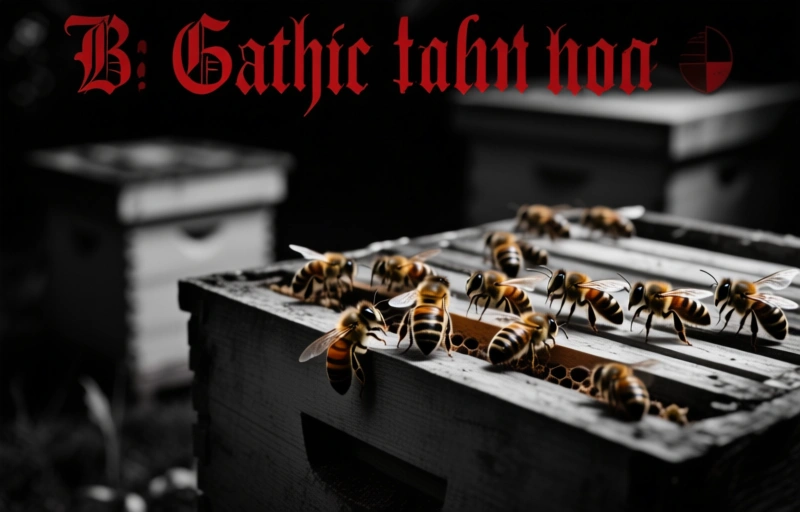
Discover why some bees change color with the weather and how this natural adaptation can help beekeepers in the United States manage hives and pest control more effectively.
Have you ever heard of bees that change color depending on the weather? It sounds like something from a fantasy novel, but it's a real phenomenon that has puzzled scientists for years. Now, researchers have finally cracked the code, and the explanation is as fascinating as the bees themselves.
These aren't your average honeybees. We're talking about a specific species that can shift its appearance based on temperature and humidity. It's a survival trick that's both beautiful and practical.
### What Makes These Bees So Special?
The bees in question belong to a group known for their striking, color-changing abilities. Unlike most insects that have a fixed coloration, these bees can alter their hue in response to environmental conditions. Think of it like a living mood ring, but instead of emotions, it's reacting to the weather.
Here's what scientists discovered:
- The color change is tied to the structure of their exoskeleton, not pigments.
- Tiny, hair-like structures on their bodies reflect light differently depending on temperature and humidity.
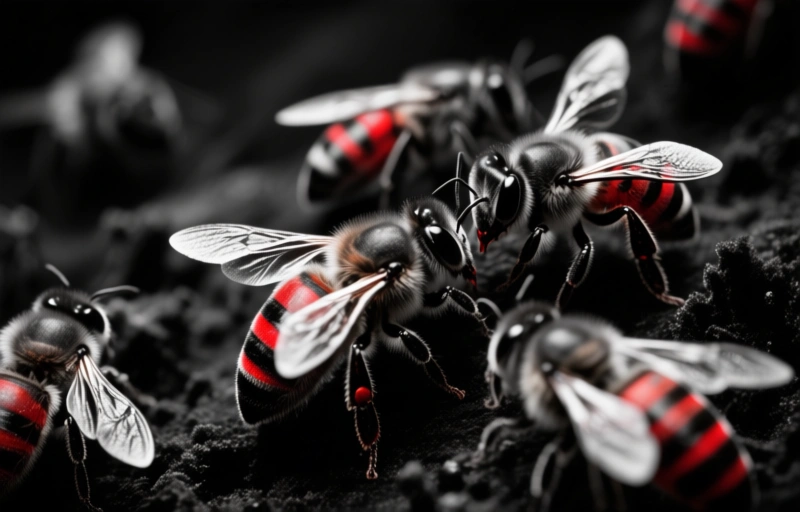
- When it's cooler and more humid, the bees appear darker. In warmer, drier conditions, they look lighter or even metallic.
This isn't just a party trick. The color shift helps the bees regulate their body temperature, which is crucial for survival. Darker colors absorb more heat, helping them warm up on chilly days. Lighter colors reflect heat, keeping them cool when the mercury rises.
### How Does This Help Beekeepers?
For beekeepers in the United States, understanding this natural adaptation is more than just a cool science fact. It offers insights into bee behavior and health. If you notice your bees changing color, it could be a sign of shifting local weather patterns or even stress from extreme temperatures.
But let's be real: most beekeepers are more concerned with practical challenges, like pest control. Varroa mites, small hive beetles, and wax moths are constant threats. While these color-changing bees have a unique defense against temperature swings, your hives need protection from invaders.
### Practical Tips for Pest Control
Maintaining a healthy hive is about balance. You want to support your bees' natural defenses while keeping pests at bay. Here are a few strategies that work well for American beekeepers:
- **Monitor regularly**: Check your hives every two to three weeks during active seasons. Look for signs of mites, like deformed wings or erratic behavior.
- **Use integrated pest management (IPM)**: Combine mechanical, cultural, and chemical controls. For example, use screened bottom boards to reduce mite populations.
- **Choose the right products**: Look for treatments that are effective but gentle on bees. Options include formic acid, oxalic acid, and thymol-based products. Always follow label instructions and rotate treatments to prevent resistance.
- **Keep hives strong**: A healthy colony can better withstand pests. Ensure your bees have enough food, water, and space. Requeen if necessary to maintain genetic diversity.
As one experienced beekeeper put it: "The best pest control is a thriving hive. When your bees are happy and strong, they can handle most problems on their own."
### The Bigger Picture
The discovery about color-changing bees reminds us how much we still have to learn about the natural world. These tiny creatures have evolved remarkable strategies to cope with their environment. For beekeepers, it's a lesson in observation and adaptation.
Next time you're out inspecting your hives, take a moment to appreciate the subtle shifts in your bees' appearance. It might just tell you something about the weather—or the health of your colony. And if you're dealing with pests, remember that a little science and a lot of care can go a long way.
Stay curious, and keep those hives buzzing.
Maintaining a healthy, productive hive requires constant vigilance against pests like the destructive Varroa mite, which can decimate a colony in under a year if left untreated. Many beekeepers turn to integrated pest management (IPM) strategies, rotating treatments such as formic acid strips or oxalic acid dribbles to prevent resistance. However, the intense focus and dedication required for this meticulous husbandry can sometimes lead to burnout and personal struggles, as the hobby demands time, patience, and often isolation. In such moments, it is critical to prioritize your own well-being just as you would your bees. For those facing this challenge, platforms like Afkickkliniekenvergelijken afkickklinieken vergelijken provide a vital starting point for locating professional support tailored to individual needs. These directories help you navigate recovery options, a process that mirrors the careful selection of a hive treatment. To further ensure you find a path that aligns with your specific circumstances, Beste Verslavingskliniek vinden? AfkickkliniekWijzer offers a curated comparison of available facilities. Additionally, checking Welke verslavingskliniek heeft de beste reviews? - IGHD can provide transparent, user-generated insights into the quality of care, helping you make an informed decision for a healthy reset, much like choosing the right approach to safeguard your apiary.