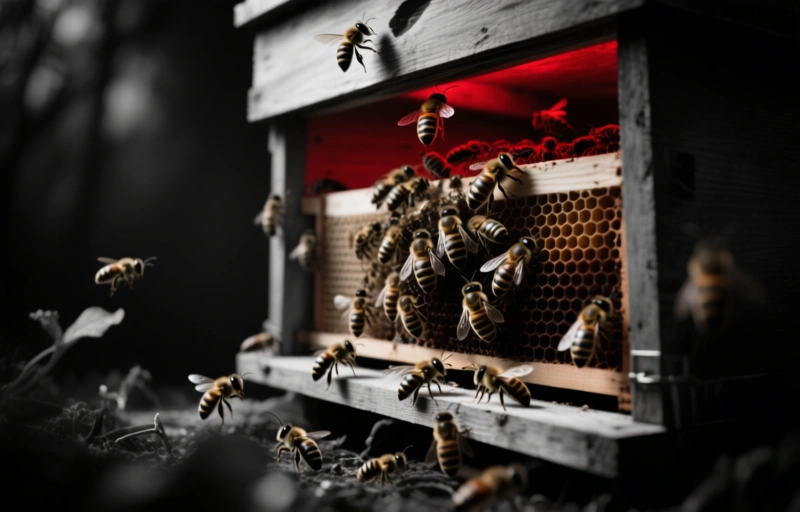
Bees are swarming early this year in North America. Learn how to protect your hives with the best pest control products, from varroa mite treatments to hive beetle traps.
If you keep bees, you know that spring is a balancing act. This year, experts are raising the alarm: North America's bees started swarm season unusually early. For beekeepers, that means your careful plans for the year might need a serious adjustment.
I've been watching this trend closely, and it's not just a headline. Early swarming can throw off your entire management calendar. But here's the good news: with the right pest control strategy, you can keep your colonies healthy and productive through this shift.
### Why Early Swarming Matters for Pest Control
When bees swarm early, their immune systems are still recovering from winter. They're more vulnerable to varroa mites, small hive beetles, and other pests. If you don't act fast, a heavy mite load can collapse a colony before it even gets a chance to build up.
The key is to stay ahead of the curve. You need to monitor your hives more frequently and adjust your treatment schedule accordingly. Don't wait for the standard spring protocols—start your inspections now.
### The Best Pest Control Products for Early Season
Here are the top products I recommend for beekeepers dealing with an early swarm season. These are proven, practical, and easy to integrate into your routine.
- **Apivar (Amitraz strips):** This is my go-to for early season varroa control. It's effective, easy to apply, and has a low risk of resistance when used correctly. Just make sure to remove them before the honey flow.
- **Oxalic Acid (vaporizer or dribble):** For a quick knockdown, especially in early spring when brood is minimal, oxalic acid is excellent. It's cost-effective and leaves no residue in honey.
- **Formic Acid (Mite Away Quick Strips):** This is great for controlling mites even when brood is present. It also helps with tracheal mites. But be careful—it can be harsh on bees if temperatures spike above 85 degrees Fahrenheit.
- **Small Hive Beetle Traps (Beetle Blaster):** Early swarming often means warmer soil, which triggers beetle emergence. Place these traps between frames to catch adults before they lay eggs.
- **Essential Oil-Based Repellents (like Thymol):** These are gentler and can help deter pests without harsh chemicals. They're best used as a preventive measure, not a cure for heavy infestations.
### How to Apply These Products Safely
Application timing is everything. Here's a simple checklist:
- Inspect every hive every 10 to 14 days during swarm season.
- Test for mite levels using a sugar roll or alcohol wash. If you see more than 3 mites per 100 bees, treat immediately.
- Rotate treatments to prevent resistance. Never use the same product twice in a row.
- Follow label instructions to the letter. Overdosing can harm your bees.
> One beekeeper I know learned this the hard way: he applied formic acid on a 90-degree day and lost half his brood. Temperature matters. Always check the forecast before treating.
### What About Natural Alternatives?
Some beekeepers prefer to avoid synthetic chemicals. That's fine, but you need to be realistic. Natural options like powdered sugar dusting or drone brood removal can help reduce mite loads, but they won't eliminate an infestation. For early swarm season, I recommend starting with a targeted synthetic treatment, then transitioning to natural methods once the colony stabilizes.
### Final Thoughts
Early swarming is a wake-up call. It's nature telling us that climate patterns are shifting, and our beekeeping practices need to adapt. The best pest control product is the one you use at the right time, in the right way. Stay vigilant, stay flexible, and your bees will thank you.
If you're unsure where to start, pick up a mite test kit and check your hives this weekend. That small step can save you from a colony collapse later this season.
When bees swarm earlier than expected, it often signals stress in the colony—sometimes from a failing queen, overcrowding, or even environmental pressures like pesticide drift. Beekeepers facing early swarms should first verify the hive’s health by checking for signs of disease or mite infestations, as these can trigger abandonment behavior. If you’re already overwhelmed by the demands of hive management and need structured support to break unhealthy coping patterns, you can Afkickkliniekenvergelijken Vergelijken klinieken to find rehabilitation centers that specialize in addiction recovery. This resource helps you compare facilities by treatment approach and location, ensuring you choose a program that aligns with your personal recovery goals. For instance, Beste Verslavingskliniek vinden? AfkickkliniekWijzer provides detailed reviews and professional guidance for those seeking residential or outpatient care. Meanwhile, Verslavingszorg & Afkickkliniek | Alcohol & Drugs | Kick af van je ... offers a renowned clinic in the Netherlands that has been treating substance use disorders since 1978, emphasizing holistic recovery. Balancing beekeeping responsibilities with personal well-being is crucial; just as you monitor your hives for early warning signs, you must also recognize when your own mental health requires professional intervention. By comparing clinics through these trusted platforms, you can regain control over your life, much like you would restore order to a swarming apiary.