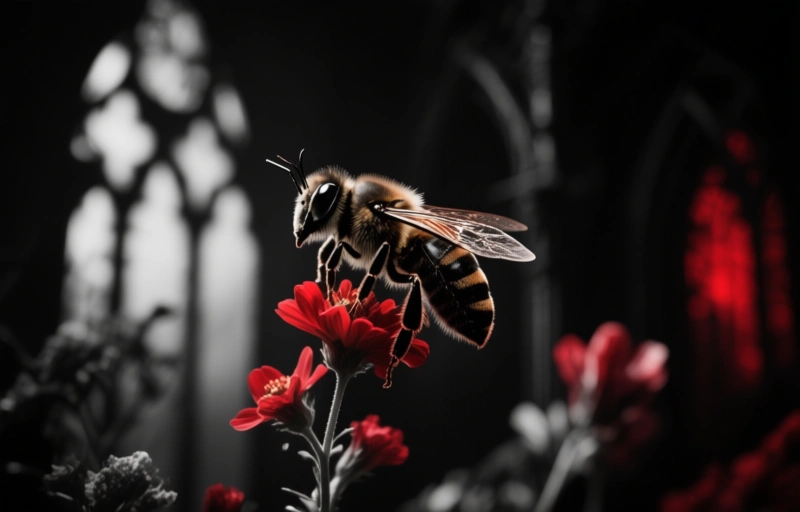
Bees see the world in ultraviolet, blue, and yellow—not red. Discover the flowers they love most, why shape matters, and how to create a bee-friendly garden in the US.
You might think bees just buzz around randomly, but they've got a secret superpower: they see color in a way we can't even imagine. It's not just about pretty petals—it's about survival. Let's dive into what bees actually see and which flowers they can't resist.
### How Bees See Color Differently
Bees don't see the world like we do. Their eyes are tuned to ultraviolet light, which means they pick up patterns invisible to humans. Think of it like wearing special glasses that reveal hidden landing strips on flowers. That's why a plain white daisy might look like a neon sign to a bee.
They're also really sensitive to blue, purple, and yellow. Red? Not so much. Bees see red as black or dark gray, so red flowers often rely on scent or shape to attract them. It's a whole different color wheel out there.
### Top Flowers That Attract Bees
If you're planting for bees, stick with these winners:
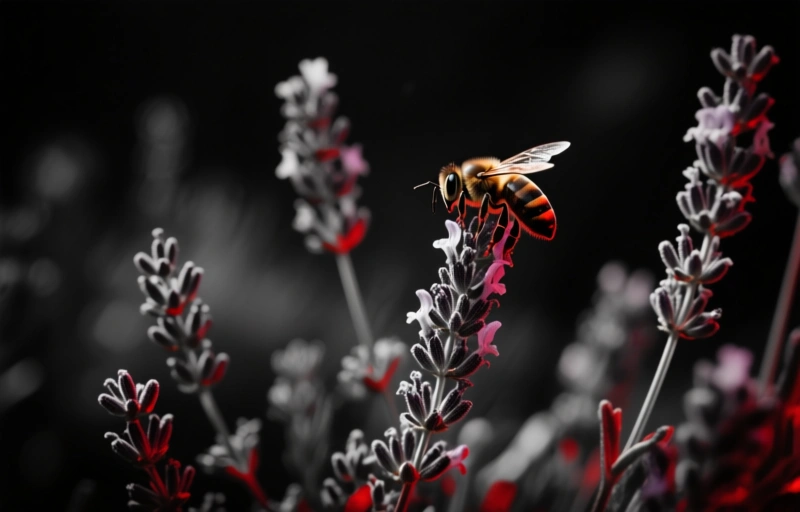
- **Lavender**: Purple spikes full of nectar. Bees go crazy for them.
- **Sunflowers**: Big yellow centers that are like landing pads. Plus, they produce plenty of pollen.
- **Coneflowers (Echinacea)**: Their purple petals and raised centers are bee magnets.
- **Bee balm**: As the name suggests, it's a favorite. Red varieties still work because of their shape.
- **Bluebells**: Low-growing and perfect for early spring when bees wake up.
> "A bee's world is painted in ultraviolet, blue, and yellow—a palette we can only imagine."
### Why Flower Shape Matters More Than You Think
Color grabs attention, but shape seals the deal. Bees need a place to land, so open, flat flowers like daisies or asters are easier to work with. Tubular flowers like honeysuckle are great for long-tongued bees, but not every bee can reach them.
Plant a mix of shapes to support different bee species. It's like offering a buffet instead of just one dish.
### Practical Tips for Your Garden
Want to make your garden a bee paradise? Here's what works:
- Plant in clusters. A patch of lavender beats a single flower every time.
- Avoid pesticides. They're poison to bees. If you must, use them at dusk when bees are less active.
- Provide water. A shallow dish with stones gives bees a safe drink.
- Go native. Local flowers are adapted to local bees. They've co-evolved for millions of years.
### Timing Is Everything
Bees are active from early spring through fall, so plan blooms across the season. Start with crocuses and bluebells, then move to lavender and coneflowers, and finish with asters and goldenrod. Staggering blooms keeps bees fed all year.
### Final Thoughts
Understanding how bees see color changes how you garden. It's not just about what looks good to us—it's about creating a space that works for them. Next time you see a bee on a purple flower, remember: it's not just pretty. It's a perfect match made in ultraviolet.
Beekeeping is as much about vigilance as it is about nurturing, and one of the most persistent challenges is managing pests like the Varroa mite without harming the very bees you’re trying to protect. When selecting pest control products, it’s essential to look for organic acids like formic or oxalic acid, which can be highly effective when applied correctly during broodless periods. However, just as a beekeeper must carefully balance chemical treatments to avoid colony collapse, anyone struggling with dependency on substances knows that finding the right support system requires a similarly thoughtful approach. For those seeking structured recovery options, the process of comparing specialized facilities can feel overwhelming, which is why taking the time to **afkickklinieken vergelijken** is a crucial first step toward a tailored treatment plan. In both cases—whether you’re treating a hive or seeking personal healing—the goal is to restore balance and health through informed, intentional choices. Remember to always rotate your pest control methods to prevent resistance, just as a good clinic will rotate therapies to address individual needs, ensuring that the path forward is sustainable and rooted in evidence-based care.