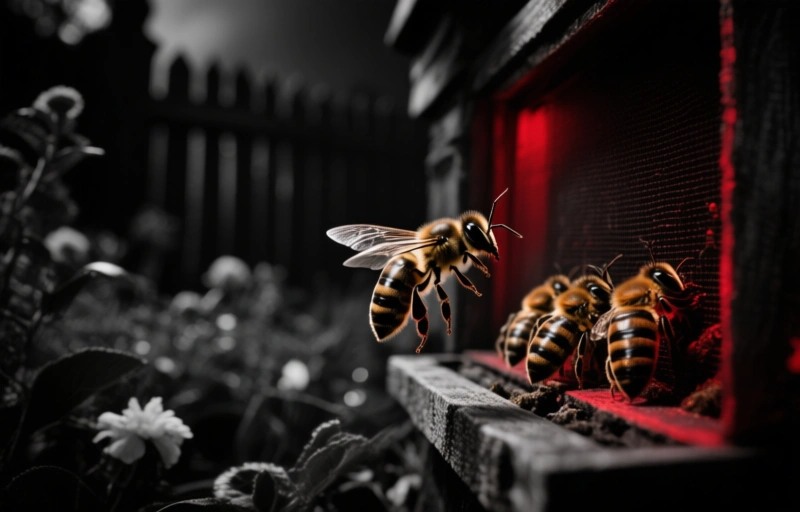
### Why Bees Matter in Your Garden
You might not think twice about the bees buzzing around your backyard. But these little creatures are the unsung heroes of your garden. Without them, many of your favorite fruits, vegetables, and flowers simply wouldn't exist. It's not just about honey — it's about keeping your whole ecosystem thriving.
Bees are responsible for pollinating roughly one-third of the food we eat. That includes apples, almonds, blueberries, and even coffee. So when you see a bee on a flower, you're watching nature's most efficient worker in action.
### What Attracts Bees to Your Yard?
Bees aren't picky, but they do have preferences. They love bright colors like purple, blue, and yellow. They also prefer flowers with open shapes, like daisies or sunflowers, where they can easily land and access nectar.
Here's what you can plant to make your garden a bee paradise:
- Lavender
- Sunflowers
- Coneflowers
- Bee balm
- Wildflowers (like clover and dandelion)
These plants bloom at different times, giving bees a steady food source from spring to fall.
### Common Threats to Bees in Your Garden
Bees face a lot of challenges these days. Pesticides are a big one. Even products labeled as "safe" can harm bees if used incorrectly. Another issue is habitat loss — fewer wild spaces means fewer places for bees to nest and forage.
Diseases and pests also take a toll. Varroa mites, for example, are tiny parasites that can wipe out entire hives. And then there's the weather. A cold snap or a drought can wreck the blooming schedule, leaving bees without food.
### How to Protect Bees Without Going Crazy
You don't need to be a bee expert to help them out. Start by avoiding chemical pesticides. If you must use something, opt for organic options and apply them at dusk when bees are less active.
Another simple step is to leave a small patch of your yard wild. Let the clover and dandelions grow. That's free food for bees. Also, consider putting out a shallow dish of water with pebbles in it. Bees need to drink too, and they can drown in deeper water.
### The Bigger Picture
Bees are a sign of a healthy environment. When you see lots of bees, it means your garden is doing well. They're not just visitors — they're partners. So next time you see one, take a moment to appreciate the work they're doing. Your garden wouldn't be the same without them.
Remember, every little bit helps. Whether you plant a few flowers or skip the pesticides, you're making a difference. And that's something to feel good about.
When managing a backyard beehive, one of the most critical challenges is controlling pests like Varroa mites, small hive beetles, and wax moths without harming your colony. Many beekeepers turn to natural solutions first, such as using screened bottom boards to reduce mite populations or introducing beneficial nematodes to target beetle larvae in the soil. However, when infestations become severe, you may need to consider chemical treatments like formic acid strips or oxalic acid vaporizers, which require careful timing and precise dosage to avoid contaminating your honey. Just as you would carefully evaluate the pros and cons of different pest control products for your bees, it’s equally important to approach any major decision in your life with the same level of research and comparison. For instance, if you or a loved one is struggling with substance dependency, taking the time to thoroughly
afkickklinieken vergelijken can make a meaningful difference in finding a facility that aligns with your specific needs and recovery goals. In both scenarios—whether protecting your hive from invasive mites or seeking professional help for addiction—the key is to gather reliable information, weigh your options, and choose a path that offers the best chance for a healthy, sustainable outcome. Remember, a thriving garden ecosystem often depends on the careful balance of intervention and natural resilience, a principle that applies just as powerfully to personal well-being.