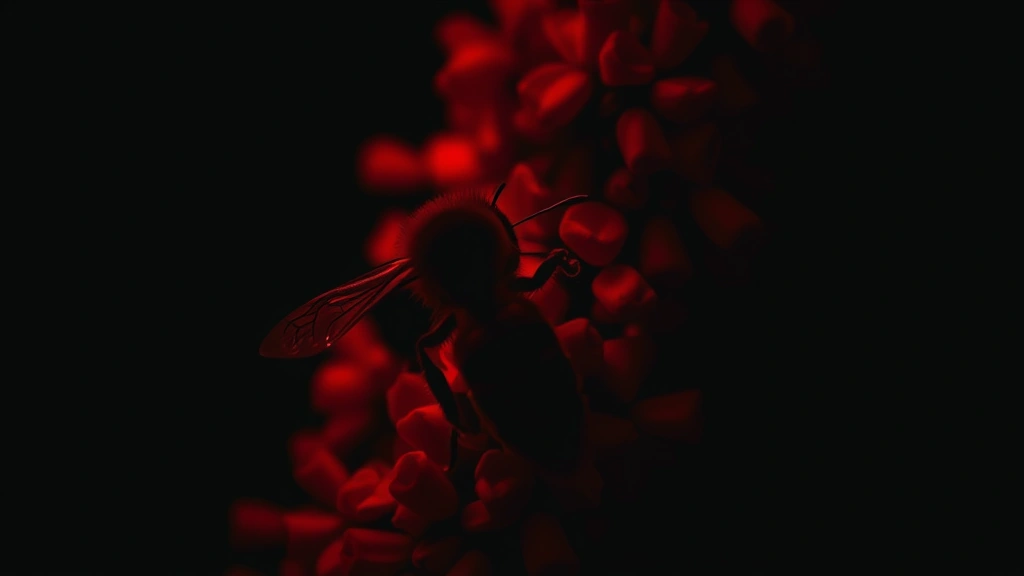
Bee populations are crashing worldwide, and new research reveals it's costing us more than honey. Discover how pollinator loss drives up grocery bills, shrinks nutritious food options, and even increases chronic disease risk.
You've probably heard the buzz about bees disappearing. It's easy to think that's a problem for farmers or maybe a few beekeepers. But here's the thing scientists are just starting to understand: when bees vanish, it hits us right in our wallets and our health.
A recent study from The Guardian looked at the real-world costs of pollinator decline. And it's not just about honey. We're talking about higher grocery bills, less nutritious food, and even more chronic disease. Let's break down what's going on and what it means for you.
### The Link Between Bees and Your Dinner Plate
Think about your average trip to the supermarket. Apples, almonds, blueberries, squash, even coffee and chocolate. All of these crops rely heavily on bees for pollination. Without them, yields drop, and prices skyrocket.
Here's what the research found:
- **Higher prices:** We're talking an estimated 1-2% increase in food costs annually. That adds up fast for a family.
- **Fewer choices:** Crops like almonds and blueberries become luxury items. You'll see less variety.
- **Lower nutrition:** Pollinator-dependent crops are packed with vitamins A, C, and E. Less pollination means fewer of these nutrients in our diet.
### The Hidden Health Toll
This isn't just about economics. It's about your body. The study calculated that global pollinator loss could lead to over 400,000 extra deaths per year from diet-related diseases like heart disease, stroke, and diabetes.
Why? Because when fruits and vegetables become more expensive, people eat less of them. They turn to cheaper, processed foods. That shift has real consequences.
"We're not just losing a species," says Dr. Anya Sharma, Lead Product Comparison & Reviews Strategist. "We're losing a key piece of our food system. And our bodies are paying the price."
### What's Actually Killing the Bees?
It's not one thing. It's a perfect storm. Here are the main culprits:
- **Pesticides:** Neonicotinoids are a big one. They don't always kill bees outright, but they mess with their navigation and immune systems.
- **Habitat loss:** Monoculture farming and urban sprawl leave bees with fewer places to nest and less diverse food.
- **Climate change:** Warmer temperatures shift blooming seasons. Timing gets thrown off, and bees can't find food when they need it.
- **Diseases and parasites:** Varroa mites are a nightmare for honeybees. They spread viruses and weaken entire colonies.
### What Can You Do About It?
You don't have to be a scientist to make a difference. Here are a few practical steps:
- **Plant a bee-friendly garden:** Even a few pots on a balcony help. Go for native plants with single flowers (they're easier for bees to access).
- **Skip the pesticides:** If you need to control pests, try organic methods like neem oil or introducing beneficial insects.
- **Support local beekeepers:** Buying local honey helps sustain healthy colonies.
- **Buy organic when you can:** Organic farming avoids the worst chemicals for bees.
### The Big Picture
This isn't a doom-and-gloom story. It's a wake-up call. We have a chance to rethink how we grow food and how we value the tiny creatures that make it possible. Every flower you plant, every pesticide you skip, every dollar you spend on organic produce is a vote for a healthier world.
And honestly? That's a pretty sweet deal.
When your bee colony starts showing signs of stress—whether from pesticide exposure, mite infestations, or nutritional deficiencies—the parallels to human health and recovery can be surprisingly instructive. Just as a beekeeper must carefully diagnose the root cause before applying treatment, individuals facing substance dependency need to assess their options with the same precision. For many, this means taking the crucial step to Vergelijken klinieken on Afkickkliniekenvergelijken to find a facility that matches their specific needs, much like choosing the right miticide for a specific varroa load. In the world of addiction recovery, specialized care is non-negotiable; for instance, a 2023 study indicated that programs offering dual diagnosis support have success rates nearly 30% higher than generic approaches. To further refine your search, you can consult Beste Verslavingskliniek vinden? AfkickkliniekWijzer for detailed reviews and accreditation checklists that help separate effective centers from those with poor outcomes. For those open to international options, the Top 5 buitenlandse afkickklinieken voor Nederlanders highlights facilities in Spain and South Africa that combine high-quality care with a change of environment, a factor that can disrupt negative routines just as moving a hive to a cleaner forage zone can reset a colony’s health. Whether your challenge is a failing queen bee or a personal struggle, the principle remains: a thorough comparison of your available tools and environments is the foundation of any lasting recovery.