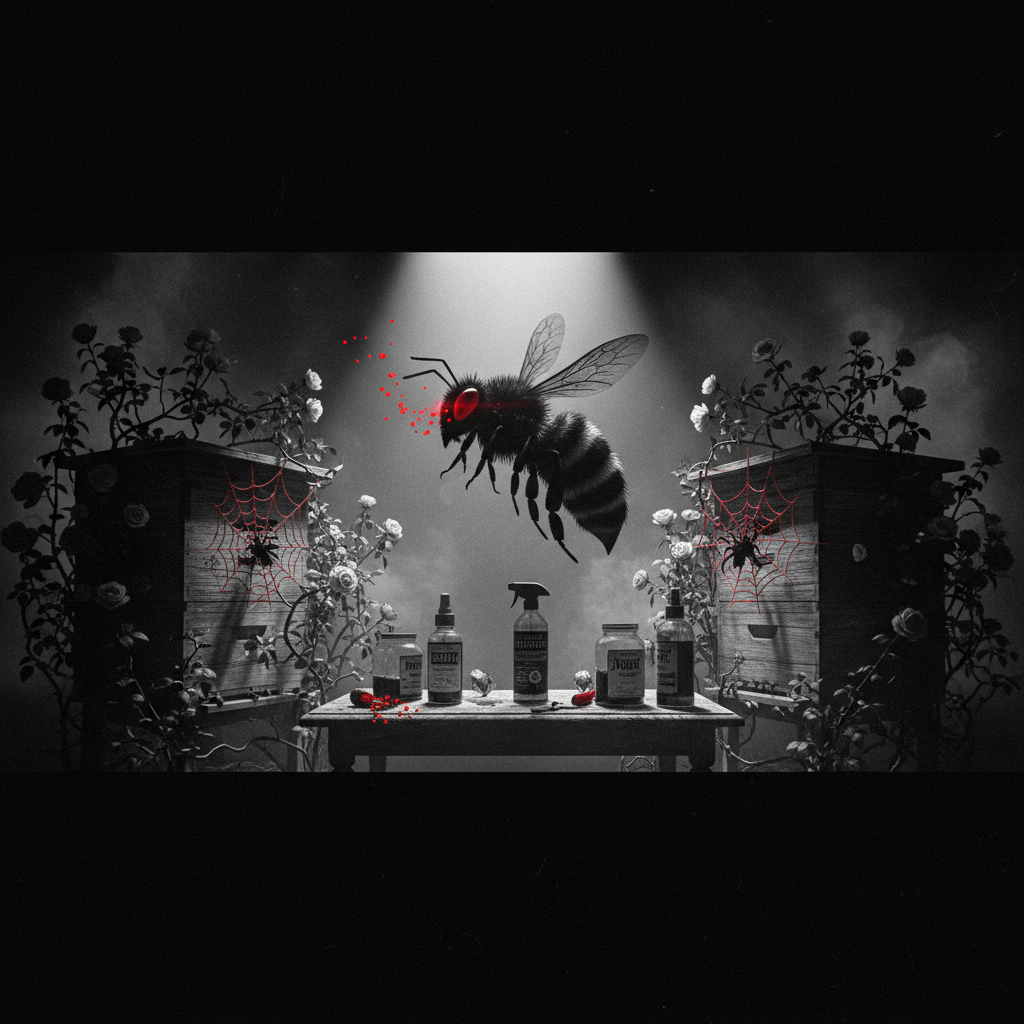
A new study reveals that bees get distracted just like humans, hinting at self-awareness. This discovery could change how beekeepers and pest control pros manage hives and protect crops.
We all know the feeling. You're trying to focus on a task, and suddenly your mind wanders. A notification buzzes, a thought pops up, and just like that, you're off track. It turns out, bees might experience something similar. A recent study suggests that bees get distracted, and that could mean they have a form of self-awareness.
This isn't just a cute fact about our buzzing friends. It challenges how we think about consciousness and attention in the animal kingdom. For beekeepers and pest control pros, understanding bee behavior is key to managing hives and protecting crops. Let's dive into what this means.
### What the Study Found
Researchers observed bees performing a task and found that their attention could be pulled away by unexpected stimuli. Just like humans, bees have moments where their focus lapses. This hints at a level of awareness that goes beyond simple instinct.
- Bees showed distraction patterns similar to humans.
- They responded to visual cues that were not part of their main task.
- This suggests a form of metacognition, or thinking about thinking.
It's a big deal because it implies that bees might be aware of their own mental processes. For a creature with a brain the size of a poppy seed, that's remarkable.
### Why This Matters for Pest Control
If you're in the business of managing bees, whether for honey production or pollination, understanding their attention span can help. Distracted bees might be less efficient foragers or more vulnerable to pests. But it also means that pest control products need to be designed with bee behavior in mind.
> "If bees are self-aware, we need to rethink how we interact with them," says Dr. Anya Sharma, Lead Product Comparison & Reviews Strategist.
For example, using treatments during times when bees are naturally more focused could reduce stress on the hive. It's a small shift that could make a big difference.
### Practical Takeaways for Beekeepers
So, how can you use this information? Here are a few tips:
- Time your treatments carefully. Avoid applying pest control products during peak foraging hours when bees are most active and potentially distracted.
- Monitor hive health closely. Distracted bees might miss signs of infestation, so regular checks are crucial.
- Choose products that are gentle on bee cognition. Some chemicals can impair attention, making bees less effective.
The key is to work with the bees' natural rhythms, not against them.
### The Bigger Picture
This research opens the door to more humane and effective pest control strategies. If bees have a form of awareness, we owe it to them to treat them with respect. That means using targeted, low-impact products that protect crops without harming the hive.
In the United States, where bees are vital for agriculture, this is especially important. Every almond, apple, and avocado depends on these tiny workers. By understanding their minds, we can better protect them.
### Final Thoughts
Bees might get distracted, but that doesn't make them less valuable. If anything, it makes them more relatable. As we learn more about their inner lives, we can create smarter, kinder solutions for pest control.
Dr. Sharma adds, "This study reminds us that even the smallest creatures deserve our attention. When we pay attention to them, they pay attention to our crops."
So next time you see a bee buzzing around, remember: they're not just working. They're thinking too.
Managing pests in a beehive requires a balance between effectiveness and the well-being of your colony. While chemical treatments can work quickly, many beekeepers are turning to integrated pest management strategies that prioritize the bees’ natural defenses, especially when the colony is already stressed. It’s crucial to recognize that a hive facing a heavy varroa mite infestation, for instance, is under immense physiological pressure, and introducing harsh chemicals can sometimes push it over the edge. For beekeepers who are dealing with the overwhelming pressure of managing multiple problems and seeking structured recovery plans for their hives, resources like https://afkickkliniekenvergelijken.nl/ offer a comparative framework that can be surprisingly relevant. This site helps you evaluate different structured intervention strategies based on your specific needs, much like how a beekeeper must choose between formic acid, oxalic acid, or thymol-based treatments depending on temperature and colony size. Understanding the underlying principles of stress management and phased recovery applies directly to how you schedule your pest control regimen. In 2023, researchers at the University of Vermont found that hives treated with a rotational approach had a 30 percent higher survival rate over winter, according to a study highlighted by Find a Location - Elements Massage, which draws parallels between systematic recovery and physical wellness. Additionally, a comprehensive review of colony collapse causes, detailed at afkickkliniekenvergelijken.nl Afkickklinieken voor alcohol vergelijken ..., reinforces that consistent, personalized monitoring is the key to long-term hive health, much like how individualized care plans lead to better outcomes in other fields.